Guide to the top 9 DTC strategies for profitability


Table of contents
Talk to a fulfillment consultant today
A direct-to-consumer (DTC) strategy makes the customer central to the brand’s operations, putting them front and center to encourage engagement throughout the purchase process to develop brand loyalty.The pandemic accelerated a spike in ecommerce, making the DTC approach appealing to many. To drive sales, ecommerce brands must balance speed and convenience with customization and high-quality consistency from brand introduction to post-purchase. Consider a multi-faceted approach as you implement your DTC marketing and retail fulfillment strategy.
DTC Strategies For Omnichannel Sales
The DTC approach to sales has evolved due to advanced technology allowing customers to personalize their purchases, while also deciding exactly when and how they receive them.
Create a frictionless mobile experience
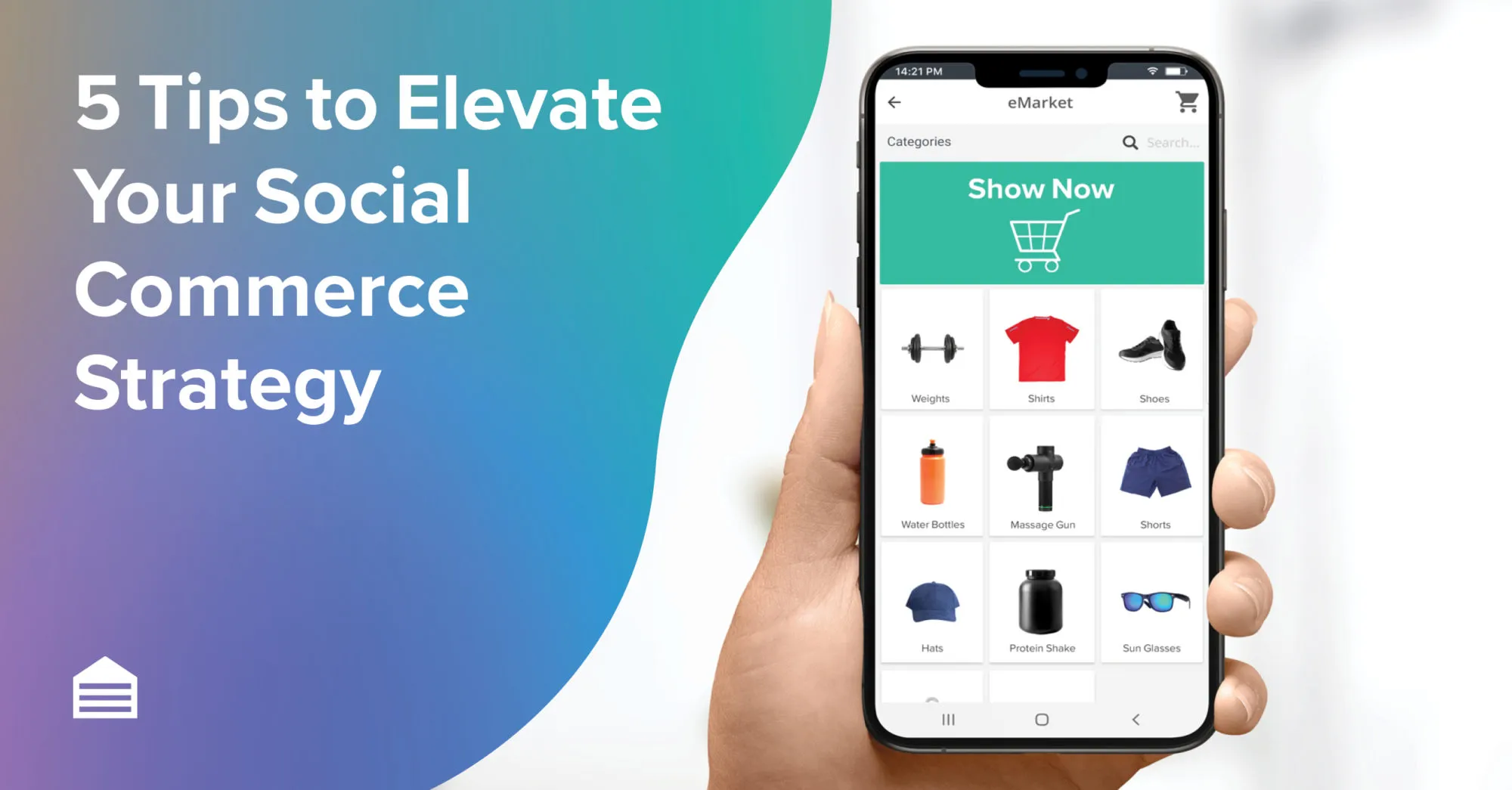
Mobile devices account for more than 70% of ecommerce transactions. To succeed in this space, ensure your product pages are as scrollable on smartphones as they are on laptops. Digital stores that haven’t been optimized accordingly immediately detract from the consumer experience and cause them to look elsewhere. Additionally, implement AI-based product recommendations based on customer buying behavior so they don’t have to leave your ecommerce store, social media site, or any other online sales DTC channel to research a product and buy. By aligning your strategy with this direct-to-consumer trend, you can keep customers actively engaged with your brand by personalizing the shopping experience for them.Another way to create a frictionless mobile experience is by allowing customers to create an online account that saves their shipping and payment details for future purchases. Implementing autofill through Google Pay and Apple Wallet, as well as offering instantly approved payment installments removes roadblocks as customers continue with their purchase.
Integrate all channels including physical stores
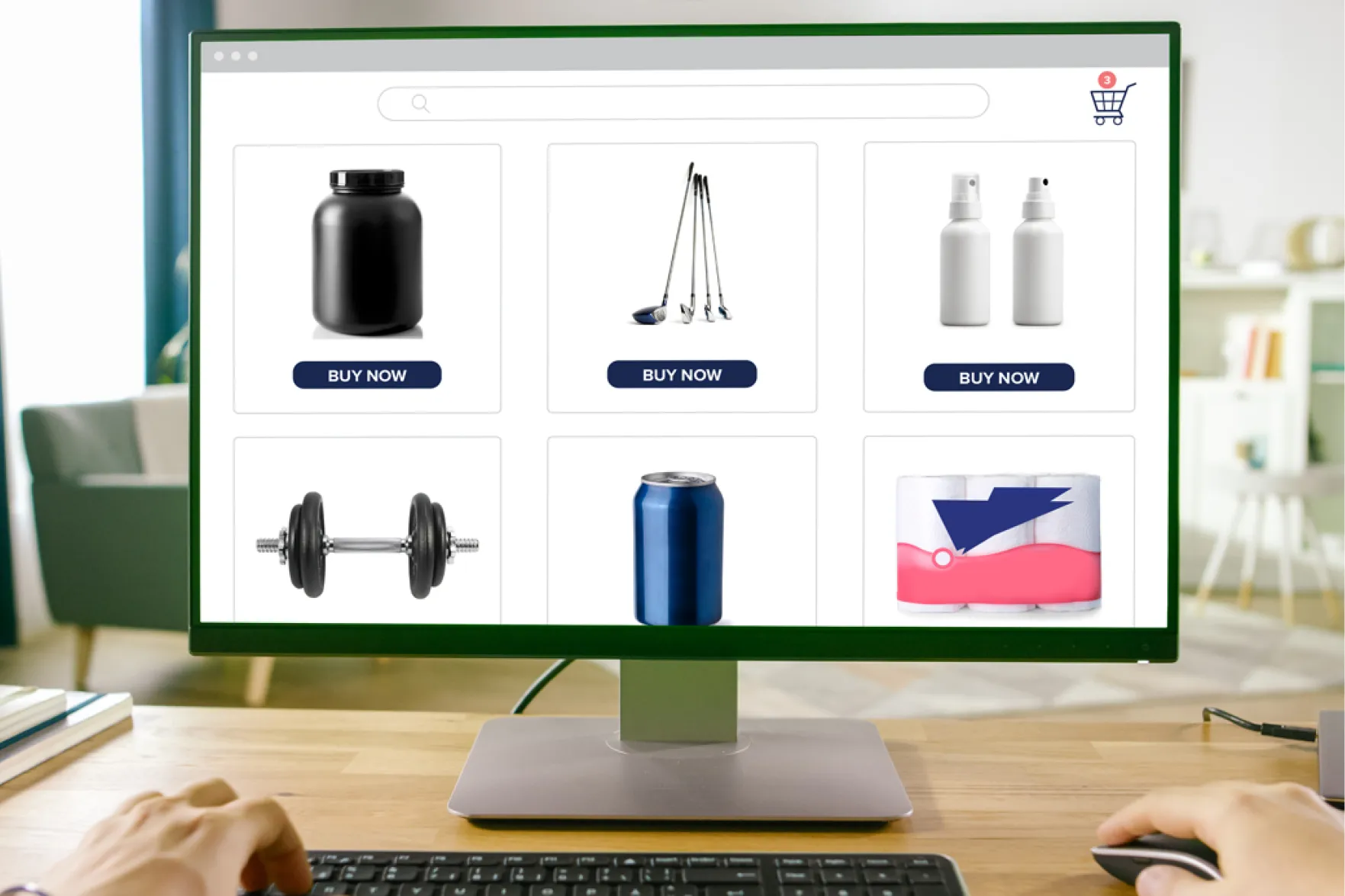
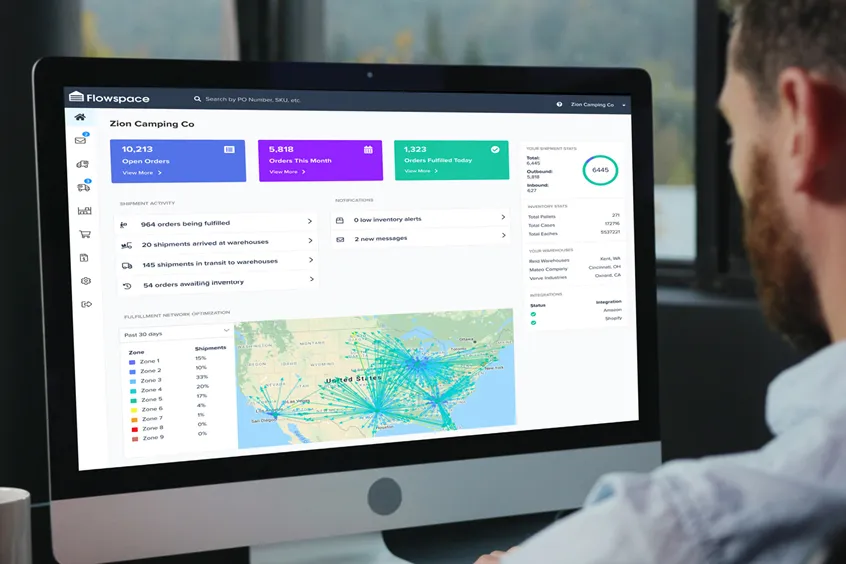
A key part of a successful DTC brand strategy is meeting customers where they are and creating a holistic shopping experience. Flowspace allows you to connect all storefronts, shopping carts, and marketplaces in one central platform with a single-click setup. Integrating all brand channels allows you to optimize inventory and provides instant access to data and insights to drive profitable business decisions.
Maintain adaptability and flexibility
Maintaining real-time visibility across all omnichannel operations lets ecommerce companies quickly pivot when there is a spike in sales or alerts of low inventory. Adapting to customers buying behavior lets brands create the same shopping experience no matter the customer is shopping. Furthermore, an interconnected distribution network through Flowspace also enables fast, flexible fulfillment and delivers a seamless customer experience.
DTC Strategies For Marketing & Social Media
DTC brands can leverage social media to sell a lifestyle rather than a single product. Creating content that resonates with active users increases brand recognition and loyalty, while ultimately improving customer retention and sales.
Communicate the brand’s story
Speed and convenience are essential to the customer experience, though these have become expected across the board. To strengthen a DTC marketing strategy through social media, brands must clearly communicate company values and excite customers through user-driven content and customer loyalty perks. Today’s consumers are preferential to brands with a strong stance on sustainability and social responsibility. Research shows 45% of surveyed consumers want brands that are sustainable or environmentally responsible.2 They want to buy from a brand they can relate to and one that values loyal customers. With the amount of competition in the ecommerce space, this could be a deciding factor when it comes to making a purchase, and consumer brands that aren’t transparent about their stance can be left behind.
Create a personalized experience
The more you understand your customers the better you can personalize their shopping experience. Optimize marketing efforts to create a personalized experience to lift brand awareness and build customer loyalty.Review customer buying behavior and feedback to get an in-depth look at your target audience. Learn about the demographic makeup, customer likes and interests, and where the point of purchase is made during the customer journey. Then, use customer data and automation to create campaign messages and alerts that speak directly to their shopping preferences and expectations.
Facilitate quality customer service
Slow responses on social media are sure to leave customers feeling less than appreciated and increasingly frustrated when facing a problem. Maintain consistent customer service by responding to social media comments, messages, and reviews. Have the messaging align with your brand personality to create a sense of consistency and trust. Furthermore, implement a no-cost return policy for customer convenience. Track which products receive high returns and identify gaps during last-mile delivery that may have contributed to a negative customer experience.
DTC Strategies For Supply Chain/Operations
Make sure your fulfillment options reflect your brand’s specifications and uphold a consistent quality of service. Flowspace acts as the central hub for all your online sales channels and marketplace integrations, allowing you to maintain complete control over supply chain operations.
Set clear delivery expectations
Schedule automatic alerts to confirm orders and shipping timelines. Also, implement delivery tracking to provide real-time updates and proof of order delivery.
Optimize inventory
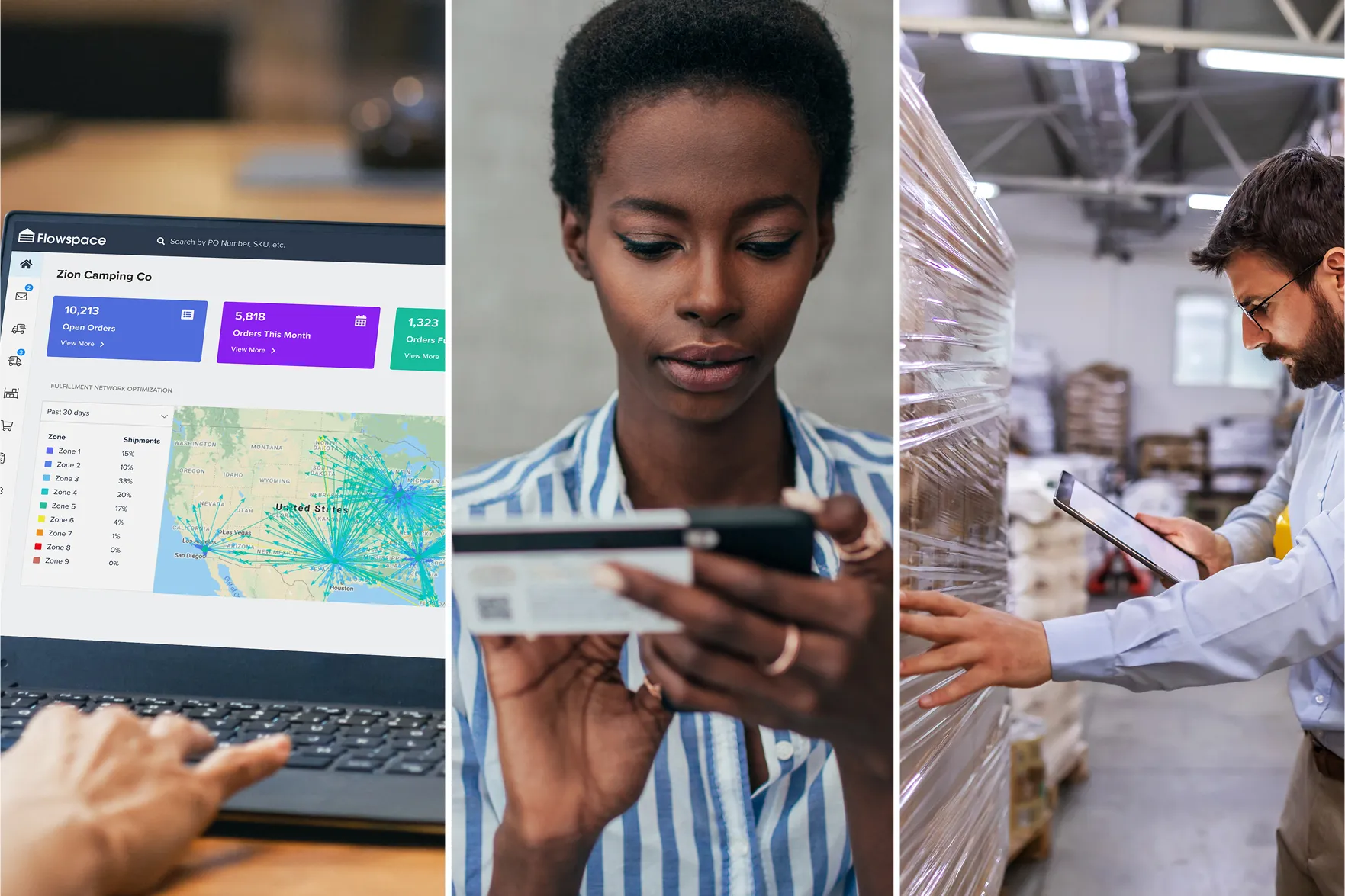
Flowspace’s Network Optimization algorithm identifies the optimal fulfillment center to enable fast, affordable shipping and determine how best to allocate inventory. This reduces logistical costs and prevents the chance of out-of-stock orders or inventory overflow that could result in increased storage fees.
Deliver a seamless experience
Partnering with the right fulfillment company is important to a DTC strategy to ensure orders are picked, packed, and shipped to brand specifications. Also, allocating logistics to a third-party e-commerce fulfillment company frees up time for brands to focus on other areas of growth and improvement.
What are the common challenges to be aware of when crafting your brand's DTC strategy?
Ability to diversify the product offering
Facing limitations do not align with what today’s consumer expects from an ecommerce experience. Shoppers want the ability to personalize their purchases as much as possible. Brands that do not diversify their product offerings are often outlasted by competitors who know when to expand.Diversifying the product offering can be achieved in one of two ways. Either expand the color, size, and material selection and/or develop new product offerings relevant to the brand. Easier said than done, as this requires additional costs and risk. To achieve a high return on investment, brands must review industry and customer data and create products based on what they really want.
Openness to invest and sell cross-channel
Before the pandemic, ecommerce businesses typically faced an either/or situation between working with retailers or launching a DTC company. Now, making room for both strategies is what’s necessary to help keep brands competitive as more people decide to shop exclusively online. Even traditional retail brands like Nike have witnessed the surge in DTC sales and have pivoted their strategies to accommodate this new wave of shoppers.
Ability to deliver value through last mile logistics
Optimizing the final step of delivery without it costing customers has been a pain point for most ecommerce companies. With multiple stops and drop sizes, this home stretch in the shipping process is often met with inefficiencies and customer dissatisfaction. However, integrating crowdsource technology and automation across all sales channels provide real-time visibility to alert customers when their packages are arriving and show proof that they’ve been delivered as promised.
Implementation of sustainable packaging for an enhanced user experience
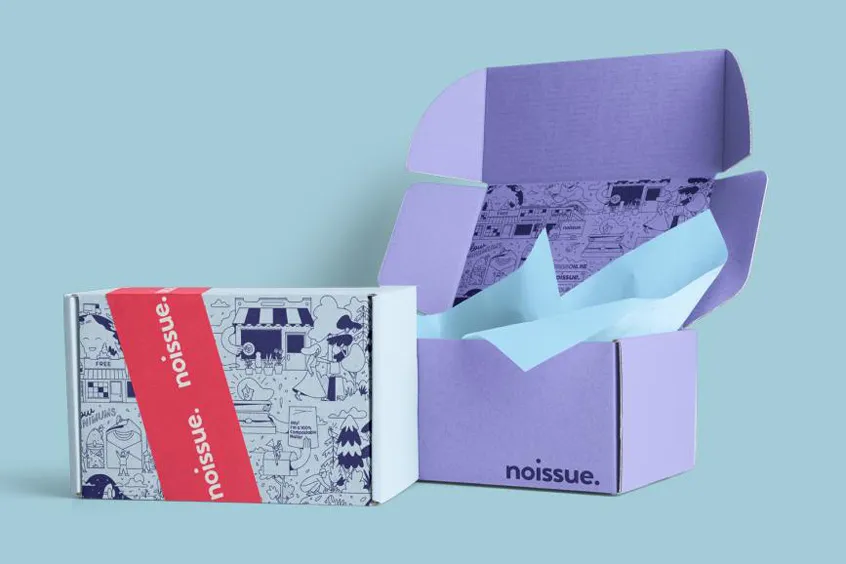
A brand’s approach to sustainability is one of the driving factors encouraging purchases today. Transparency regarding packaging best practices enhance the user experience and deliver a greener footprint for the environment. Brands can get creative with their boxing and use of recyclable materials by customizing their packaging and cutting back on non-recyclable waste.Everlane is a well-known DTC brand focused on supply chain transparency to inform customers of their production processes. By 2030, they’ve resolved to stop the use of new plastic and reduce their per-product emissions as part of their sustainability initiatives. This clarity and dedication align with what young consumers look for today and often become a deciding factor during the buying process.
Anticipate buying behavior
DTC retail subscriptions are increasing in popularity once more as they provide customers with convenience and cost-savings on products they already need and want. Dollar Shave Club is a prime example of a brand that designed its direct-to-consumer strategy around shoppers’ buying behavior. They made it simple and affordable for customers to restock their razor blades by easily setting up a subscription based on the customers' preferred schedule. It fulfilled an everyday need conveniently and at a low cost. Additionally, customers were happy to buy into the DSC brand due to their viral video marketing. Showcasing their brand personality, while promoting their low-cost prices, boosted brand awareness and created a loyal fan following.
Delivering a Consistently Delightful Customer Experience
It’s simple, customers want to be delighted. They want a shopping experience to provide convenience and customization without any extra cost to them. Implementing these DTC strategies as part of a comprehensive sales plan meets expectations and increases customer satisfaction. Unfortunately, the spike in ecommerce sales has caused some consumer brands to struggle with demand. Flowspace makes it easy to streamline your omnichannel efforts and optimize the experience for your customers by providing real-time tracking visibility, customer data and insights, and flexible order fulfillment options to support ecommerce growth and scalability. The benefits of the centralized order management platform:
- Connects - All online sales channels are integrated into a centralized platform that enables a one-click setup.
- Optimizes - Fulfilment centers are chosen based on the fastest, most convenient delivery with customers.
- Analyzes - Real-time order management and visibility are available from every channel with instant access to data and insights all in one place.
- Delivers - Speedy shipping and brand specifications are secured through fast, affordable ecommerce fulfillment.
Profitability in today’s ecommerce landscape is becoming increasingly reliant on how much the customer enjoys the direct-to-consumer experience. It requires a holistic look across all channels and data points to refine and perfect the delivery and continuously find ways to improve. To learn more about how Flowspace can support your DTC efforts, get in touch today.Sources:
- Statista. Global mobile retail commerce share worldwide. https://www.statista.com/statistics/806336/mobile-retail-commerce-share-worldwide/
- Statista. Environmentally friendly brand attributes that are important to consumers worldwide in. 2020https://www.statista.com/statistics/1234119/consumer-interest-in-sustainable-environmental-brands/
- The Future of Commerce. How to build a DTC business. https://www.the-future-of-commerce.com/2021/03/01/dtc-business/
Last Updated
category
Related articles



















Start simplifying fulfillment with Flowspace today
Discover how Flowspace can simplify fulfillment and help your brand scale faster, with no long-term contracts or hidden commitments.
