Omnichannel fulfillment: Why it's no longer optional


Table of contents
Talk to a fulfillment consultant today
Sixty-seven percent of brands say that an omnichannel strategy is either critical or important to their company. Fifty-three percent of retailers say they plan to invest in technology to improve their omnichannel fulfillment services, and 9 out of 10 customers say they prefer the omnichannel experience.
These trends show that omnichannel fulfillment is not only growing in popularity among retailers, it's also one of the best ways to appeal to the consumer. This guide to omnichannel fulfillment has everything you need to draw your own conclusions.
What is omnichannel fulfillment?
Omnichannel fulfillment is a multichannel distribution strategy that enables customers to purchase and receive orders from any channel they choose. The goal of this fulfillment planning strategy is to reduce costs, improve transit, and delight the customer. Omnichannel fulfillment achieves these goals through four basic processes:
1. Omnichannel communication
This is where you communicate to your customers the many benefits of using your omnichannel fulfillment service. Drive home the promise of a seamless experience across a variety of platforms and services.
2. Order processing and confirmation
The key difference between this step and the standard order confirmation process is that the customer can place an order on a mobile device, choose how much to pay for shipping, and know exactly when it will be delivered.
3. Warehouse management
This is where orders are actually filled in real time. It may include 3PL fulfillment, warehouse fulfillment, and in-store fulfillment. Different from traditional methods, these extra channels provide much-needed flexibility and ensure your customers get what they want, when they want it, while keeping you compliant with your vendors.
4. Shipping and last-mile delivery
Shipping is the fourth process in omnichannel fulfillment and one of the most important, as it utilizes advanced shipping software to select the optimal shipping mode to meet customer demands.
Why ecommerce retailers need an omnichannel fulfillment strategy
Ecommerce retailers and other online brands should employ this fulfillment strategy because it works, plain and simple. In fact, a Harvard Business Review study of more than 46,000 shoppers revealed:
- Omnichannel customers spent an average of 4% more on every shopping occasion in the store, and 10% more online than single-channel customers.
- Omnichannel customers logged 23% more repeat shopping trips to the retailer's stores, and were more likely to recommend the brand to family and friends.
- Omnichannel customers who used 4+ channels spent 9% more in the store, on average, when compared to those who used just one channel.
In other words, brands should employ omnichannel capabilities because they drive the online engagement of core shoppers, and ultimately draw customers into the physical store. This is done by synchronizing the physical and the digital to provide an excellent customer experience across all available channels.
More channels equals greater value
Providing an excellent customer experience across all available channels is essential to maintaining success and staying one step ahead of the competition. But delivering this winning experience is easier said than done.
To find omnichannel success, brands need to ensure they are doing all they can to deliver a winning customer experience. For the average consumer, the quality of their shopping experience comes down to choice.
Marry the physical with the digital
Consumers do not just shop online or offline. They expand their demands to shop online, pick up in physical stores, or purchase in physical stores and require shipping to another location. This level of choice is valuable to the consumer, but also results in highly complex logistics.
In this way, omnichannel fulfillment not only provides a way to appeal to the consumer, but also a challenge: how to manage a supply chain that caters to multiple channels.
How to manage omnichannel fulfillment
As with any logistics strategy, there are some risks in adopting an omnichannel fulfillment strategy. Visibility and communication are often cited as two of the most significant risks, especially for retailers that use brick-and-mortar locations. Fortunately, it's easy to identify and counter these risks by outsourcing fulfillment services to an experienced 3PL.
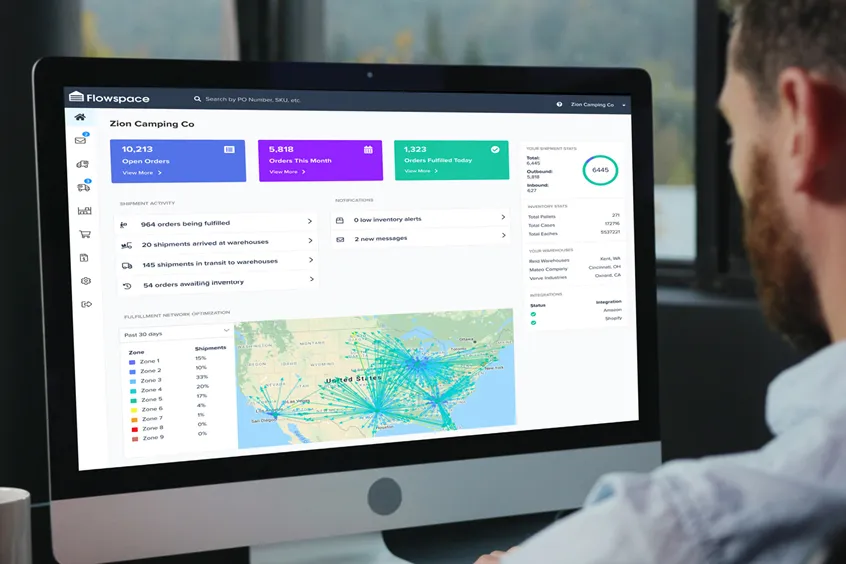
Outsource omnichannel fulfillment to Flowspace
Though it can be difficult to adopt and implement an omnichannel fulfillment strategy, a third-party logistics provider can negate many of these challenges by making greater use of established channels and existing fulfillment partners.
A third-party logistics provider will also enable your team with the technology and tools they need to provide a seamless shopping experience in your brick-and-mortar stores and through a variety of digital channels. This range of channels will serve to not only differentiate your brand from your peers, but also provide a competitive edge over online-only retailers by leveraging your brick-and-mortar assets.
Despite its costs, these benefits reveal the significant economic value to be gained from providing digital channels to traditional store shoppers, and fusing the shopping experience across channels. All you have to do to unlock the potential of omnichannel fulfillment for your brand is to contact Flowspace today.
Last Updated
category
Related articles


















Start simplifying fulfillment with Flowspace today
Discover how Flowspace can simplify fulfillment and help your brand scale faster, with no long-term contracts or hidden commitments.
