What is dropshipping?
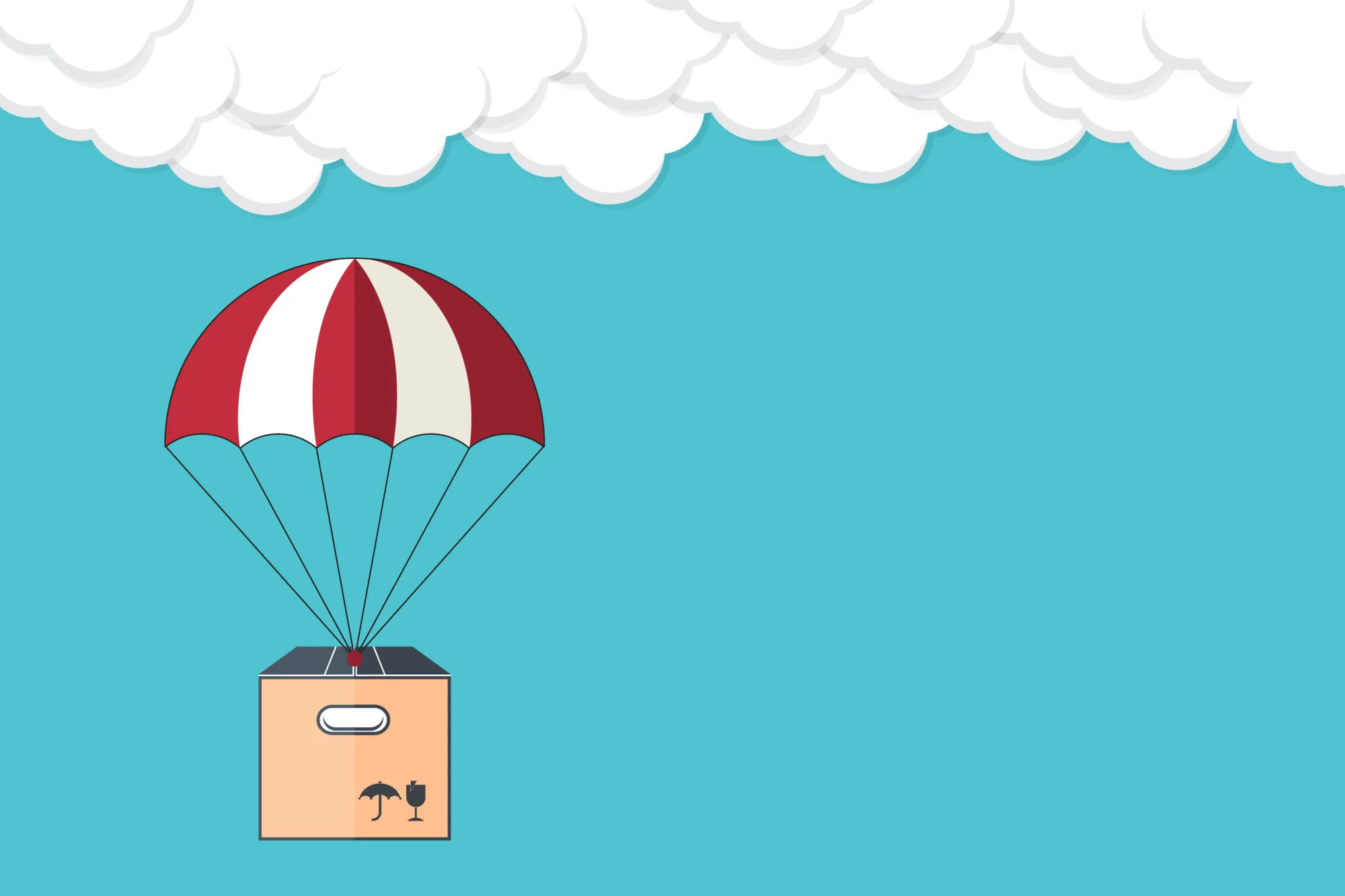
Table of contents
Talk to a fulfillment consultant today
To those new to e-commerce and looking to break into the lucrative online business model, the dropshipping process can be as intimidating as it is difficult to find reliable, unbiased information on the process.
So, we made this definitive guide to dropshipping to answer your questions and help you get started with the best dropshipping model for your business.
What Is Dropshipping and How Does It Work?
Dropshipping is a method of supply chain management in which a retailer does not keep any goods in stock but transfers customer orders and shipment details directly to the manufacturer or wholesaler who then ships the product directly to the customer.
In other words, dropshipping is a business model that enables retailers to sell, store, fulfill, and ship inventory that they never have to touch or own themselves.
How Does Dropshipping Work?
The process may sound complicated but it’s actually designed to make the e-commerce order fulfillment and shipping process easier, cheaper, and more efficient. Here’s how it works:
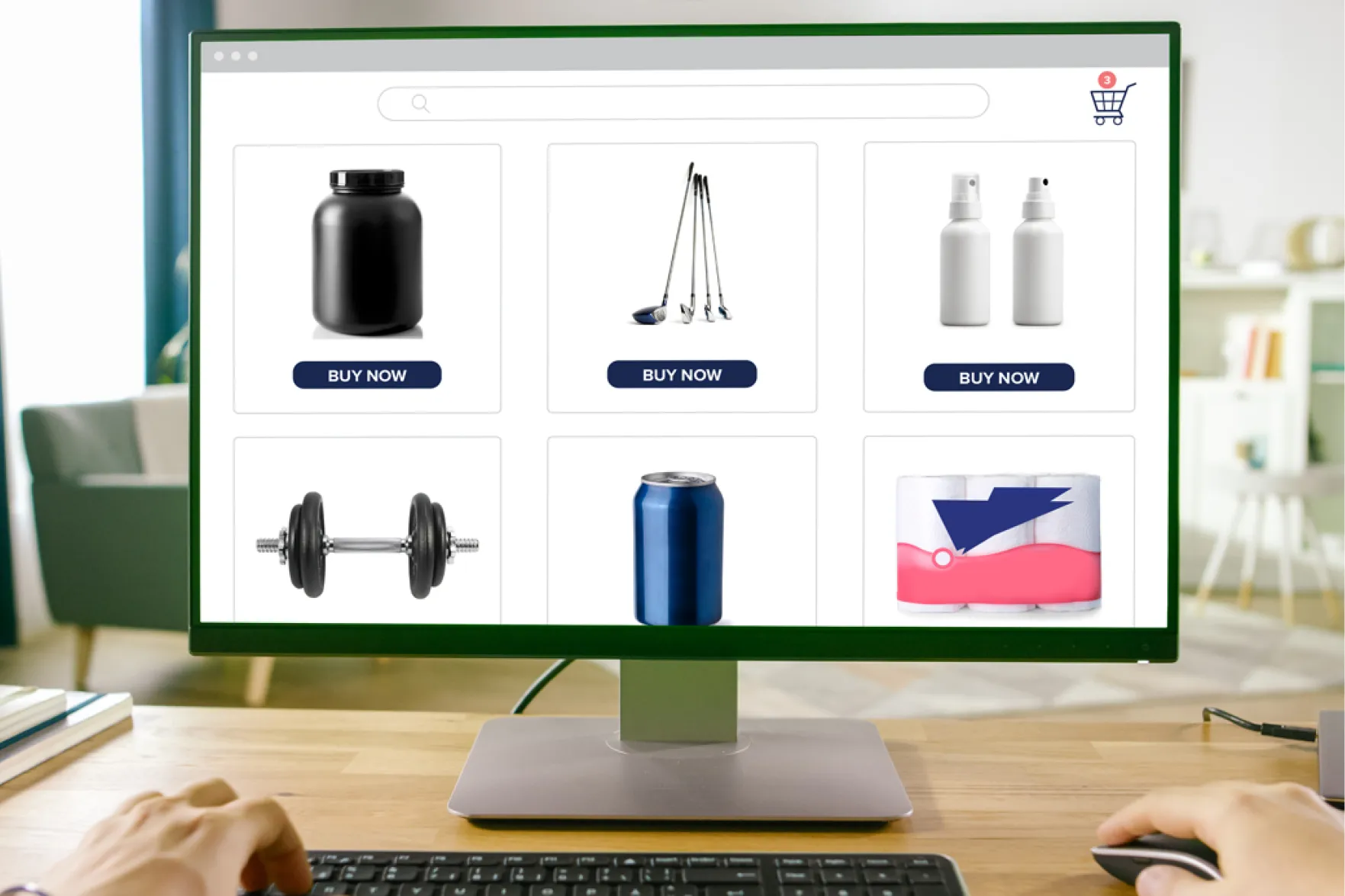
- The customer places an order for a product on the retailer’s online store.
- The order, shipment detailer, and customer information is forwarded to the dropship supplier.
- The dropship supplier then fills the order and ships the package according to retailer specifications.
The dropshipping business model is extremely attractive to e-commerce businesses because it eliminates the need to store or even physically own the inventory you need to run your business. You don’t even need to own a storefront, all you need is a computer and an internet connection.
Pros & Cons of Dropshipping
As with any business model, there are pros and cons. To have a successful dropshipping business, e-commerce businesses need to find the right products to sell and the right warehouse to store, manage, and ship your inventory.
Pros
As a business model, dropshipping provides several advantages:
- Easy to Get Started - Because it requires zero physical infrastructure for retailers to operate their business, it is incredibly easy to get started with dropshipping. Simply find a supplier, set up your website, and start selling your goods.
- Low Overhead - With dropshipping, you don't have to purchase inventory, manage a warehouse, or ship anything, which means your overhead expenses are very low.
- Flexible Location - The dropshipping business model does not require a physical location. You can run your business from anywhere, so long as you have a computer, and a way to communicate with your customers and suppliers. In fact, when you choose to work with a 3PL with a powerful geographic footprint, you can reach any customer in the country from anywhere in the country.
- Wide Selection of Products - Because dropshipping enables retailers to sell products they never have to store, ship, or even own, they can sell a wider selection of products from a wider selection of wholesalers and suppliers.
- Easy to Scale - A low overhead and a flexible location means that a dropship retailer can easily scale their operation with the growth of their business. Simply send more orders to your supplier and let them handle everything else.
Cons
As with most business models, there are some inherent disadvantages to dropshipping that retailers should be aware of.
- Low Margins - Depending on your product niche, shipping location, and special requirements, your dropship supplier may charge higher prices for dropshipping products that will eat into your already narrow profit margins.
- Inventory Issues - Since you, the retailer, does not manage storage, fulfillment or shipping you have no control over inventory issues. You do not control the flow of inventory to the supplier, so you have no control over inventory levels or when inventory becomes available.
- Shipping Complexities - Dropshipping also removes all control over shipping. Shipping is handled by the supplier, who may choose to work with low-quality carriers.
- Full Liability - One of the defining aspects of dropshipping is the anonymity of the supplier. To the customer, it’s your brand that is responsible for every aspect of the e-commerce process. If the supplier forgets a part of an order or ships a package to the wrong location, it’s your brand that is going to be negatively affected.
For these reasons, it is incredibly important that you choose a supplier that is reliable, with the network and capability to provide quality service regardless of what you’re selling or where you’re shipping it to.
How Do I Get Started With Flowspace as a Dropshipper?
As the premium on-demand warehousing and 3PL service provider in the U.S. we have the expertise and the capabilities to circumvent all of the disadvantages associated with dropshipping. Get started to request more information.
Last Updated
category
Related articles







Start simplifying fulfillment with Flowspace today
Discover how Flowspace can simplify fulfillment and help your brand scale faster, with no long-term contracts or hidden commitments.
