How to improve reverse logistics: 10 tips for success
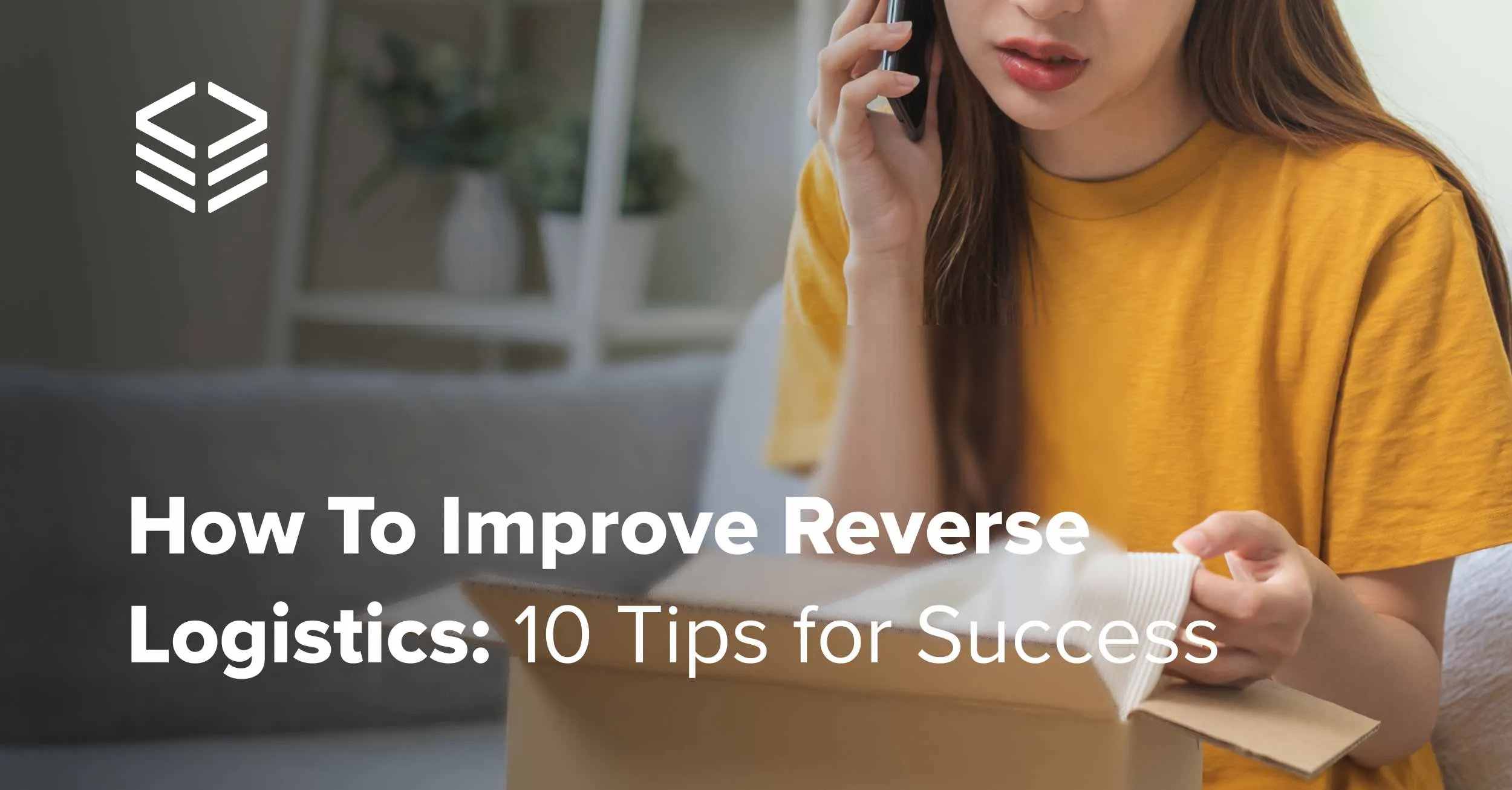
Table of contents
Talk to a fulfillment consultant today
One way of thinking about product returns is as a failed sale. But there’s another way of thinking about returns: as an opportunity for growth.Reverse logistics, the art of handling the reverse flow of products, encompasses everything from seamless returns and repairs to eco-friendly recycling and proper disposal. It's time to flip the script and dive into the exciting realm of reverse supply chain and reverse logistics optimization.
What is Reverse Logistics?
So, what is reverse logistics anyway? Reverse logistics is the process of handling returned products. Basically, it's the opposite of traditional logistics or forward logistics, which focuses on moving products from the seller to the customer. Reverse logistics refers to the activities involved in handling the flow of products or materials from the customer back to the seller or manufacturer. It includes processes such as product returns, repairs, refurbishment, recycling, or disposal.
10 Tips for Success in Reverse Logistics
From streamlining the return process to implementing sustainable practices, these strategies will empower you to optimize your reverse logistics operations and enhance customer satisfaction.
Tip 1: Implement a Clear Returns Policy
A well-defined returns policy is the foundation of a smooth and effective reverse logistics process. Clearly communicate your policy to customers, including the timeframe for returns, acceptable conditions, and refund or exchange options. Make sure it's easily accessible on your website to manage customer expectations and avoid confusion.
Tip 2: Streamline the Returns Process
Simplify the returns process for both your customers and your team. Provide pre-paid return labels and packaging materials whenever possible. Design a user-friendly online portal where customers can initiate returns and track their status. Streamlining the logistics process will reduce friction, making customers more likely to choose your brand for future purchases.
Tip 3: Utilize Technology and Automation
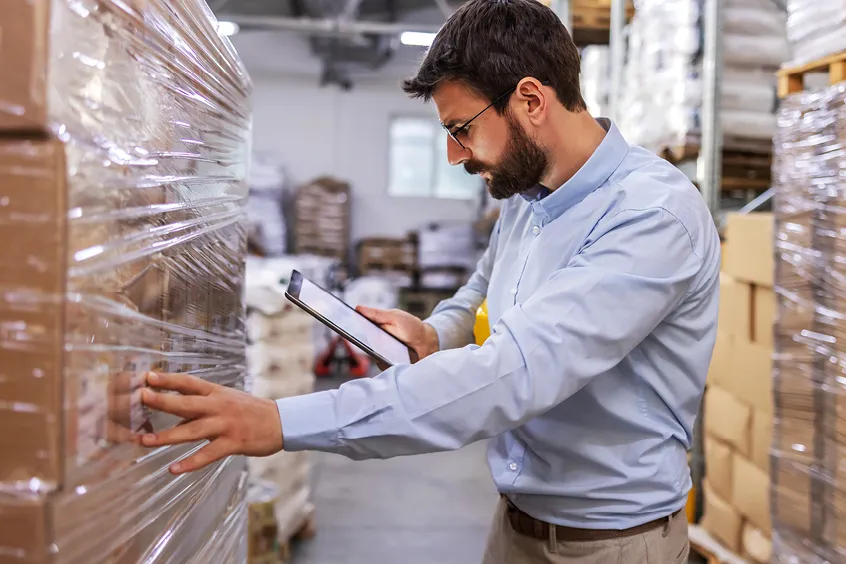
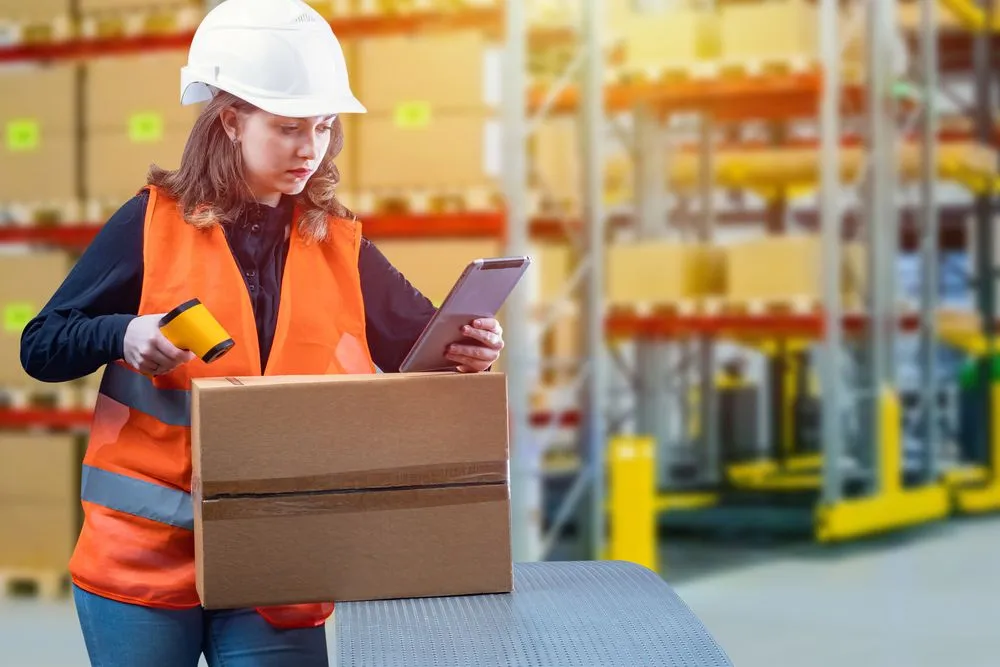
Leverage technology to streamline and automate various aspects of your reverse logistics. Invest in a robust product inventory management system that tracks returned goods, identifies trends, and facilitates processing returns efficiency. Use barcode scanners and RFID tags to improve accuracy and speed during inspection and sorting. Automation will save time, reduce errors, and improve overall operational efficiency.
Tip 4: Regularly Analyze and Optimize Reverse Logistics Performance
Continuously monitor and analyze logistics KPIs specific to reverse logistics, such as return rates, processing time, and customer satisfaction. Identify areas for improvement and implement necessary changes. Regularly reviewing and optimizing your reverse logistics performance will help you stay ahead of challenges and deliver a seamless customer experience.
Tip 5: Partner with a Third-Party Logistics Provider
Consider partnering with a reputable third-party logistics (3PL) provider that specializes in reverse logistics. What is a 3PL, you ask? They can offer expertise, infrastructure, and resources to handle returns efficiently. A 3PL can also provide value-added services like repairs, refurbishment, and recycling, enabling you to focus on your core business while ensuring smooth reverse logistics systems and operations.
Tip 6: Educate Customers on Proper Return Procedures
Clear and concise communication is key when it comes to educating customers about return procedures. Provide easy-to-understand instructions on your website, packing slips, and customer support channels. Include guidelines on packaging, labeling, and required documentation. Educating customers on proper return procedures will minimize errors and ensure returned items are in a resalable condition.
Tip 7: Implement Quality Control Measures to Minimize Returns
To reduce return rates, implement stringent quality control measures throughout your supply chain. Conduct thorough inspections and testing before products leave your warehouse to ensure they meet the highest standards. This proactive approach will minimize the likelihood of defective or damaged items reaching customers, ultimately reducing the need for returns.
Tip 8: Explore Sustainable Practices in Reverse Logistics
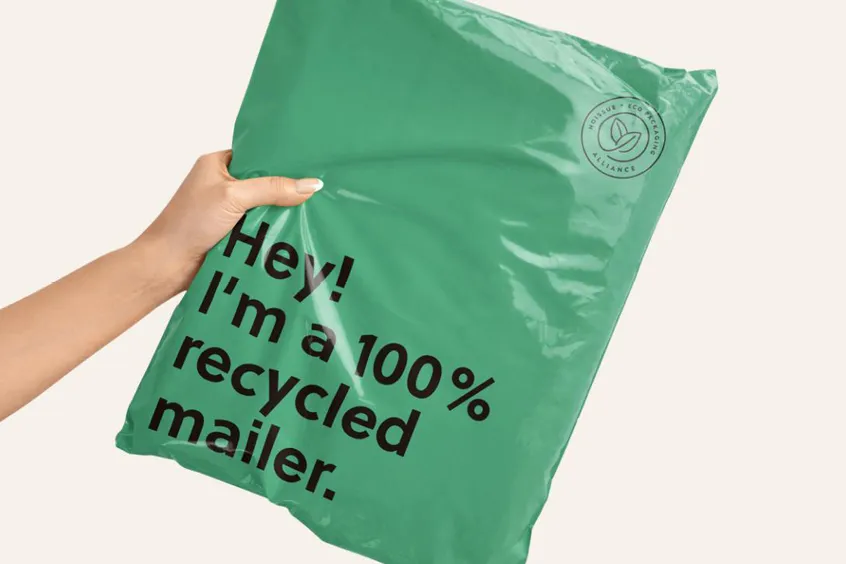
Incorporate environmentally friendly practices into your reverse logistics operations. Opt for recycling or refurbishing returned items whenever possible. Implement packaging solutions that minimize waste and use eco-friendly materials. By prioritizing sustainability, you not only contribute to a greener planet but also enhance your brand's reputation as a responsible and conscious business. Learn more about the advantages of green logistics today.
Tip 9: Encourage Customer Feedback to Improve Processes
Actively seek feedback from customers regarding their return experiences to improve customer service and facilitate smooth ecommerce fulfillment. Provide surveys or feedback forms to gather insights on what worked well and where improvements can be made. Listen to your customers' suggestions and concerns, and use their feedback to enhance your reverse logistics processes. Valuing customer input
Tip 10: Plan for Seasonal Peaks and Increased Return Volumes
Anticipate and prepare for seasonal peaks and periods when return volumes are likely to surge, such as after holidays or during promotional events. Analyze historical data to forecast potential return spikes and adjust your reverse logistics resources accordingly. Ensure you have enough staff, warehouse space, and processing capacity to handle the influx of returns efficiently. Proactive planning will help maintain service levels and prevent bottlenecks during busy periods.
The Role of Flowspace in Improving Reverse Logistics
As a reliable logistics and fulfillment company, Flowspace and its partners help brands optimize their reverse logistics operations with comprehensive solutions, technology-driven supply chain management, and scalable services tailored to a brand’s specific business needs.
Comprehensive Fulfillment Solutions
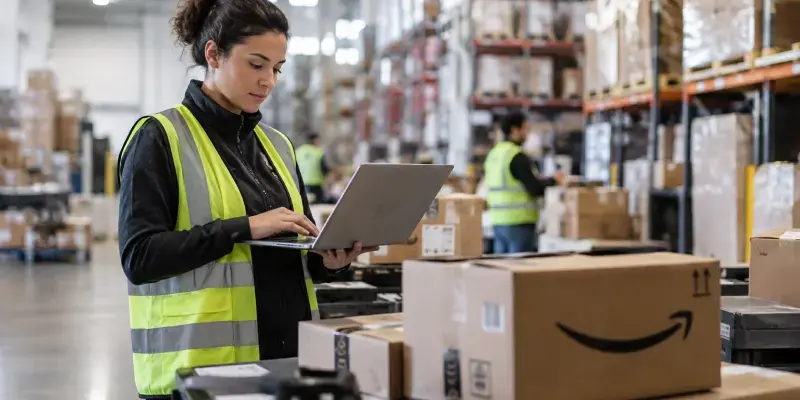
Flowspace provides inbound return management solutions. Through its extensive, interoperable partner network, every step of reverse logistics is covered, from receiving returned products to sorting, inspecting, and managing inventory. With Flowspace, your inbound logistics are covered, giving you time to focus on strategy and growing your business.
Technology-Driven Reverse Logistics Management
Flowspace’s advanced suite of software provides real-time visibility into your order across stages, allowing you to monitor and analyze key metrics. By leveraging data analytics, Flowspace helps you identify trends, minimize errors, and improve decision-making, ultimately leading to enhanced operational performance and cost savings.
Scalable and Customizable Services for Your Business
Flowspace offers scalable and customizable order fulfillment services tailored to your unique needs. Whether you're an emerging brand or an enterprise retailer, Flowspace can offer the software, service, and SLAs to ensure optimized and adaptable solutions to accommodate your specific volume, seasonal peaks, and growth requirements. Get in touch today to learn how Flowspace can improve your reverse logistics operations and enhance customer satisfaction!
Last Updated
category
Related articles









Start simplifying fulfillment with Flowspace today
Discover how Flowspace can simplify fulfillment and help your brand scale faster, with no long-term contracts or hidden commitments.
