Navigating uncertainties and strengthening your supply chain

Table of contents
Talk to a fulfillment consultant today
As the coronavirus spreads globally and the various quarantines bring the economy to a grinding halt, most businesses are in crisis management, assessing the damage and trying to pick up the pieces of our frighteningly fragile supply chain. Though there are some signs that exports from China are on their way, and there is a growing likelihood that things will get worse before they get better. This article highlights the short-term actions you can take to respond and the steps you can take by strengthening your supply chain to mitigate the effects of the next global crisis on your business.
Desperate Need for a More Resilient Supply Chain
Though we’d like to say that there is nothing we could have done to avoid the current situation, the truth is that the global supply chain has dealt with pandemics before and we didn’t learn our lesson.
Just like SARs in 2002 and Fukushima in 2011, the COVID-19 outbreak has shuttered manufacturing centers in Asia and shown a light on the desperate need for a more resilient supply chain.
The Risk of Single Sourcing
While many businesses were able to quickly assess the impacts that Fukushima and SARs had on their direct suppliers and adjust, the global nature of the coronavirus epidemic has severely limited the number of second and third-tier suppliers in the affected region.
This has left companies scrambling to identify which of their lower-tier suppliers are based in the affected regions and regretting their reliance on a single supplier for items they directly purchase.
The current supply-chain crisis may have started with the COVID-19 outbreak but its roots lay in the decisions made by sourcing managers far upstream. There is great risk in single sourcing but far too many supply chain managers rely on it to secure their supply and to meet smaller budget goals.
Such decisions are felt through every link of the supply chain and even impact small businesses who don’t directly source their materials from China but who rely on suppliers that do. Unfortunately for the majority of small businesses, there is a severe lack of their sourcing options outside of China, Southeast Asia, and the Pacific and therefore a greater risk of supply chain disruption.
How to Manage Sourcing Risk
Strengthening your supply chain and mitigating the effects of the next global crisis, you need to apply risk management principles to your supply chain and emphasize a more practical approach to sourcing:
Utilize More Than One Supplier
Sourcing managers are advised to seek out geographic diversity to minimize the risk of total loss during the next global crisis. It isn’t politics. It’s just sound risk management and the heart of the phrase don’t put all of your eggs in the same basket.
Monitor Suppliers 24/7, 365
We aren’t saying that you should spy on your suppliers but you do need to monitor their business dealings for potential shifts that may increase their risk, such a corporate merger or a shift in policy.
It’s also advisable to monitor the situation in your supplier's geographic region for any changes in the political climate; natural disasters like a tsunami or hurricane and/or international outbreak like SARs, MERs or the current COVID-19 epidemic.
Avoid Sole-Source Suppliers
There are thousands of common materials that are vital to several industries at one. Your business may not rely on a sole supplier but your suppliers might, which could spell bad news if an entire region goes offline.
Strengthening your supply chain will need you to identify all of your tier 1 and 2 suppliers who rely on critical parts for materials; identify where your suppliers source and store those materials and ensure they have a comprehensive risk management program in place.
How to Monitor and Map Your Supply Chain
Every supply chain is different. So, there is no right or wrong way to map your supply chain. Successful supply chain maps are built by engaging your suppliers and exerting the effort it takes to fully understand the full extent of their network.
Small businesses who make the effort to fully map their supply chain will benefit during the next global disruption. We can see the prudence of this strategy in action with General Motors who, in recent years, has invested millions of dollars in new technologies like artificial intelligence and natural-language processing to extensively map their supplier network.
Thanks to these efforts, when the coronavirus outbreak struck, GM had advanced knowledge of where the disruption was likely to come from; was able to identify the risk to their suppliers and provide detailed guidance to every link of their supply chain within hours, not days.
Invest in Supplier Monitoring Capabilities
It’s important to remember that it is impossible to run a globally dispersed supply chain today without a constant stream of updates on news and events that could cause disruptions in the coming days.
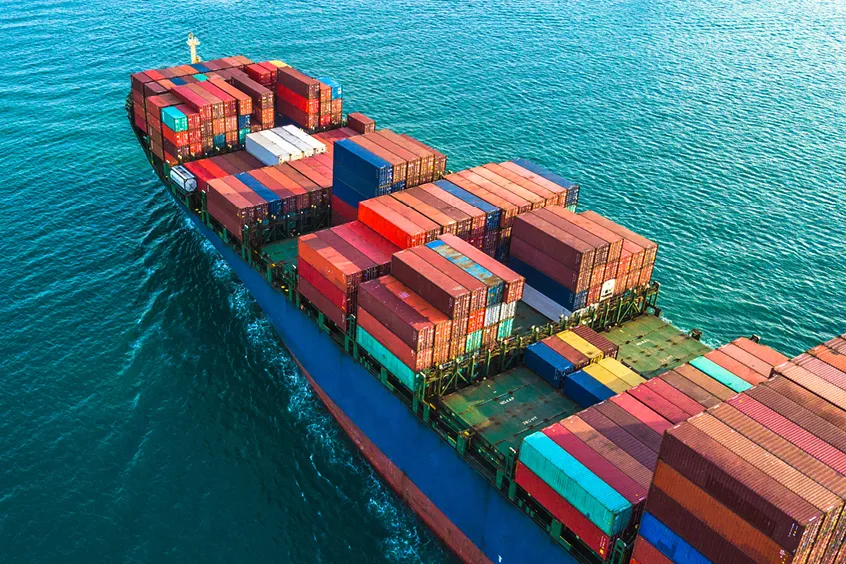
Think of your supply chain as a ship. As it’s captain, you need lead time to execute avoidance maneuvers and mitigate disaster before it strikes. The best way to navigate uncertainties and strengthening your supply chain is by investing in new technologies that provide real-time supply chain visibility.
Unfortunately, the COVID-19 outbreak and the subsequent quarantines mean many small businesses are strapped for cash and unable to invest in costly new technologies. Fortunately, there is still hope for those who outsource their logistics to a fourth-party logistics firm like Flowspace.
With a presence in every market in the country and the latest technologies at our disposal, Flowspace is uniquely situated to provide our clients with extensive supplier monitoring capabilities. Contact us today for help navigating your business through the COVID-19 epidemic and insulate your business from the next global crisis.
Last Updated
category
Related articles

















Start simplifying fulfillment with Flowspace today
Discover how Flowspace can simplify fulfillment and help your brand scale faster, with no long-term contracts or hidden commitments.
