Here’s what you need to know about sustainable packaging
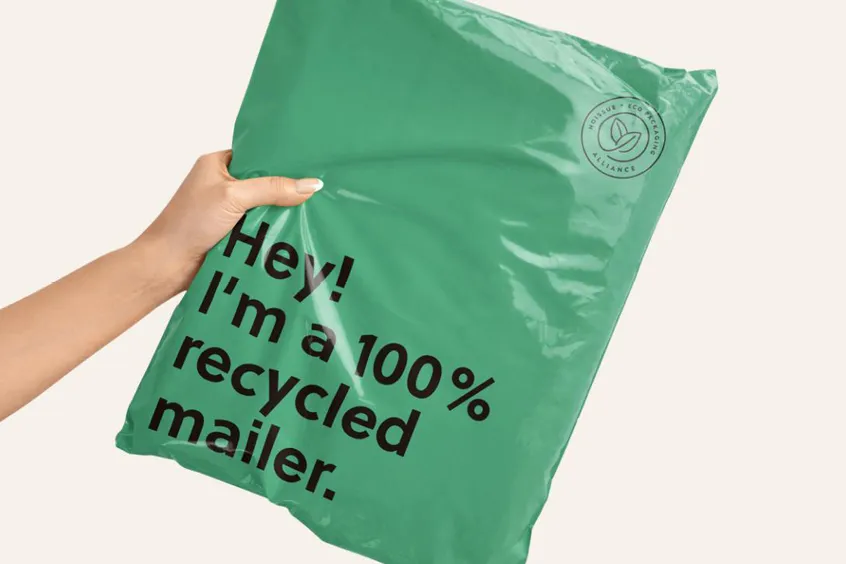

Table of contents
Talk to a fulfillment consultant today
This is a guest post from our friends at noissue, Flowspace's partner for sustainable packaging and shipping materials.
It’s no secret that value-driven customers are more enthusiastic about sustainable businesses, both in their practices and products. That’s why now is an opportune time for your business to lead the conversation on sustainability, starting with where you can easily introduce eco-friendlier alternatives – your packaging!
Sustainable packaging is an important part of consumers’ decisions to purchase from a brand. 74% of consumers feel that packaging materials significantly impact sustainability, solidifying the growing demand for businesses to prioritize earth-friendliness as a standard instead of an option. 67% of consumers consider it essential that the products they buy are in recyclable or eco-friendly packaging – so customers are actively considering sustainability as a factor when buying from your brand.
(Custom noissue Tissue is 100% compostable and adds an extra protective layer for shipping your products. This design by @lindadehaan.illustrator takes your typical packaging and turns it up a notch in an exciting and eco-friendly way!)
81% of consumers also believe that companies excessively use non-sustainable packaging for their products. And it’s true – the Environmental Protection Agency estimates that plastic and other packaging waste makes up about 30% of annual waste in the United States. The City College of New York reports that nearly 300 million tons of solid waste are generated in the U.S. per year, so a percentage of that is by no means small.
Lessen the impact of packaging waste by using earth-friendly materials or materials with a circular lifespan.
(Even your packaging tape can be sustainable – take it from @consciouscitizenworld, who customizes their compostable noissue Tape with a clean-cut logo.)
The beauty of compostable, recyclable, and reusable packaging is that they protect your products without harming the environment or ending up in oversaturated landfills. As environmental concerns among consumers grow, so does the expectation from customers for businesses to adopt eco-friendlier methods. In a recent Sifted survey, 57% of shoppers are even willing to pay more for eco-friendly shipping and packaging options!
Sustainable packaging often gets misconstrued as expensive or less durable.
Sustainable packaging is more accessible and affordable than you think. A common myth is that eco-friendly packaging is expensive, especially for smaller businesses that may not have the budget for sustainable options. In truth, switching to more environmentally-friendly options can save your business on materials and costs without sacrificing quality.
And eco-friendly packaging has an equally durable shelf life – recyclable materials can re-enter circulation more than once and are as durable as traditional packaging! Other extras to consider, like reducing non-essential paper and going virgin plastic-free, will help lower your packaging costs even further while avoiding unnecessary waste.
(Shipping products sustainably couldn’t get any sweeter! @madebyahun packages their products in sturdy noissue Kraft Boxes, sealed with custom compostable Tape and Stickers.)
What materials are used in sustainable packaging?
There are three types of commonly used sustainable packaging:
Compostable. What comes from the earth is given back to the earth! Compostable plant materials, like field corn, recycled paper, or biodegradable polymers like PBAT create tissue paper, tape, mailers, and stickers. When properly composted at home or commercially, it only takes around 90 days to break down this type of packaging completely. Compostable materials also have a low-to-zero environmental impact, so you don’t have to worry about adding to your carbon footprint!
(@eyco.sg delivers their natural and reusable facial rounds in noissue Compostable Mailers, so everything, including their packaging, is 100% earth-friendly.)
(These adorably customized noissue Kraft Mailers by @bunniwinkle are sure to bring a smile! Noissue’s 100% FSC-certified recycled paper Kraft Mailers are compostable and ideal for prints, stickers, and paper artwork products.)
Recycled. Giving materials another life will go a long way and helps eliminate single-use waste! Recycled materials are usually non-new or virgin plastic reintroduced back into circulation. Materials like low or high-polyethylene (LDPE and HDPE) are often combined to result in a recycled item that’s as durable as new. Using 100% recycled mailers generates less waste and is excellent for shipping malleable products, and padded varieties allow for shipment of more fragile products with confidence.
(@jedidiahcoffee uses noissue 100% Recycled Mailers to protect their specialty coffee bag shipments and top off their sustainable packaging with a logo sticker for a pop of branding on the exterior. Noissue Recycled Mailers also come with a second adhesive strip for extended use!)
(@sarahandbendrix ships their wooden products with ease, knowing that their noissue Recycled Padded Mailers will safely secure their contents throughout delivery.)
Reusable. Reusable packaging made from 100% organic cotton, like totes and mailers, lets customers repurpose these items for multiple uses, keeping them out of landfills and our natural environments. 100% organic cotton is a tried-and-true textile that is much more sustainable than regular cotton in both process and material. And organic cotton is graded for its sustainability by GOTS certification, verifying that the process and product are sustainable through and through. Packaging made from 100% organic cotton is strong and multifunctional – and your customers will appreciate that it has more than one purpose!
(@fullmoonmarket features their logo in soy-based ink printed on a noissue Tote that carries plenty of products! Tying their packaging design together, they also include branded compostable noissue Tissue for an unboxing experience that’s perfected to a T!)
Shipping is part of the whole package, too!
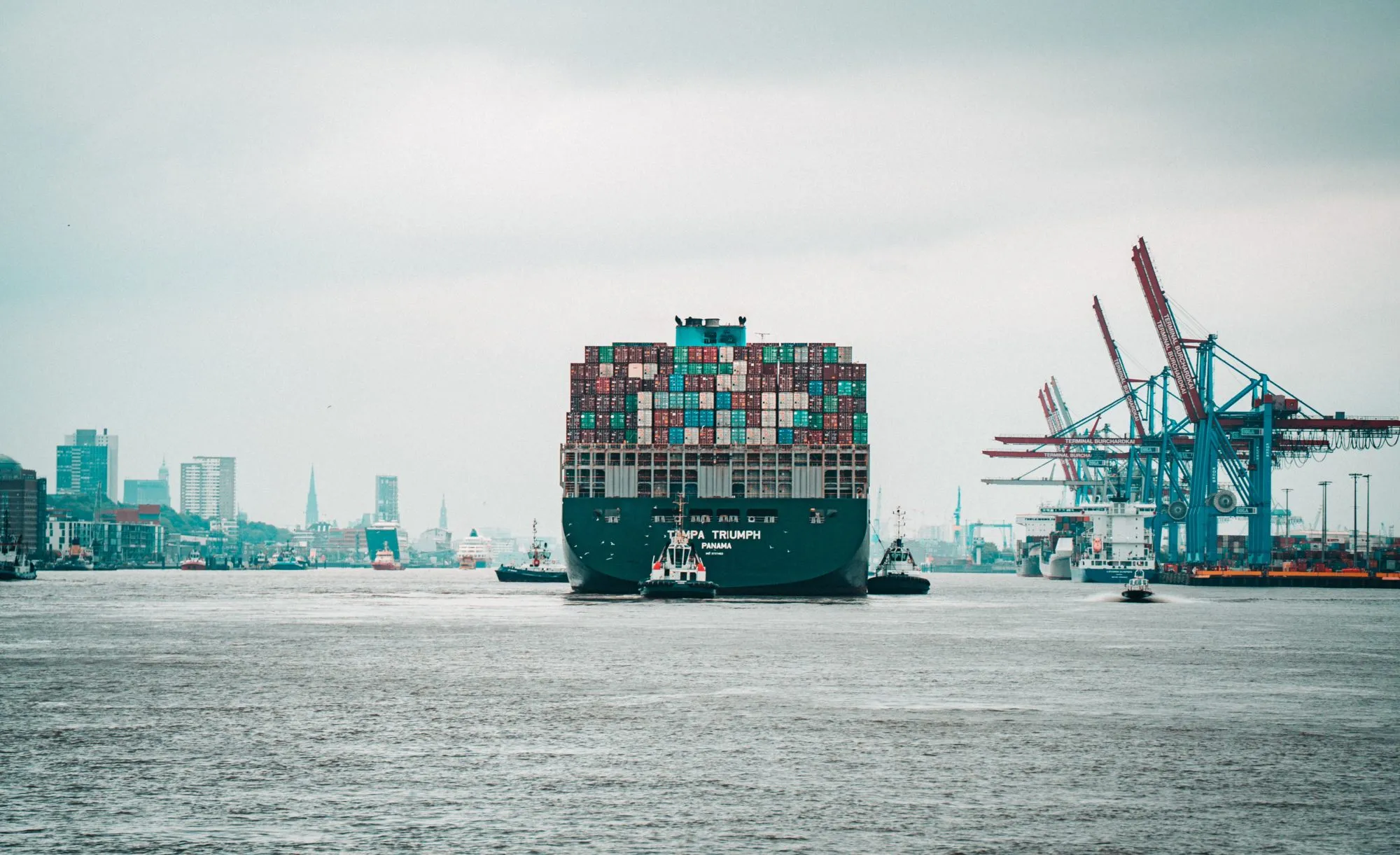
It’s no surprise that shipping contributes massively to greenhouse gas emissions – since 2012, emissions from shipping grew by almost 10% and continue to climb as ecommerce booms.
But, we can turn to broader changes in shipping to offset the impact, like partnering with responsible fulfillment centers and coordinating deliveries and replenishments at the lowest cost possible. Flowspace is committed to offering best-in-class fulfillment services, and to contributing to a greener future.
Flowspace’s Network Optimization was recently named 2021 Sustainability Service of the Year for its ability to reduce emissions in the supply chain by fulfilling products close to a brand’s consumers. The company provides an e-commerce fulfillment platform to brands, centralizing order management, inventory planning, customer insights all while powering efficient and speedy shipping.
Integrations for shopping carts, marketplaces, and retail stores make it effortless to connect your sales channels and speedily send orders without losing accuracy or real-time insights on replenishments and shipping performance. And the Flowspace team is wholly dedicated to letting you focus on growing your business sustainably while quickly satisfying your customers, scaling your fulfillment and orders, and reducing shipping costs.
(@boisthelabel sends their barky bites and orders in entirely sustainable materials, delivering on their commitment to eco-friendly packaging!)
So there you have it! Transforming your busy business into a more sustainable brand, from packaging to shipping and fulfillment, can be done responsibly and efficiently with the right materials and approaches.
Ultimately, this first step in becoming more sustainable will benefit your bottom line and keep your customers returning without harming our planet. If you’re just getting started with making the switch to sustainable packaging and shipping, don’t fret – you’ve got noissue and Flowspace to help you as you go! We mean it - take 10% off your first noissue order with code IE-FLOWSPACEPERK. Offer valid for first-time customers through Nov. 1, 2021.
noissue is a leading sustainable packaging company committed to providing customizable and eco-friendly packaging options. From Recycled Boxes to Compostable Tissue, Cards, and more, noissue offers the perfect touch to your business’s packaging. Uplevel your branding and impress your customers’ unboxing experience sustainably. Get started with your design, check out our growing library of customizable templates, or give noissue’s Instagram a follow for endless inspiration!
Last Updated
category
Related articles


















Start simplifying fulfillment with Flowspace today
Discover how Flowspace can simplify fulfillment and help your brand scale faster, with no long-term contracts or hidden commitments.
