5 benefits of using a fulfillment center for ecommerce (and why DTC brands choose Flowspace)
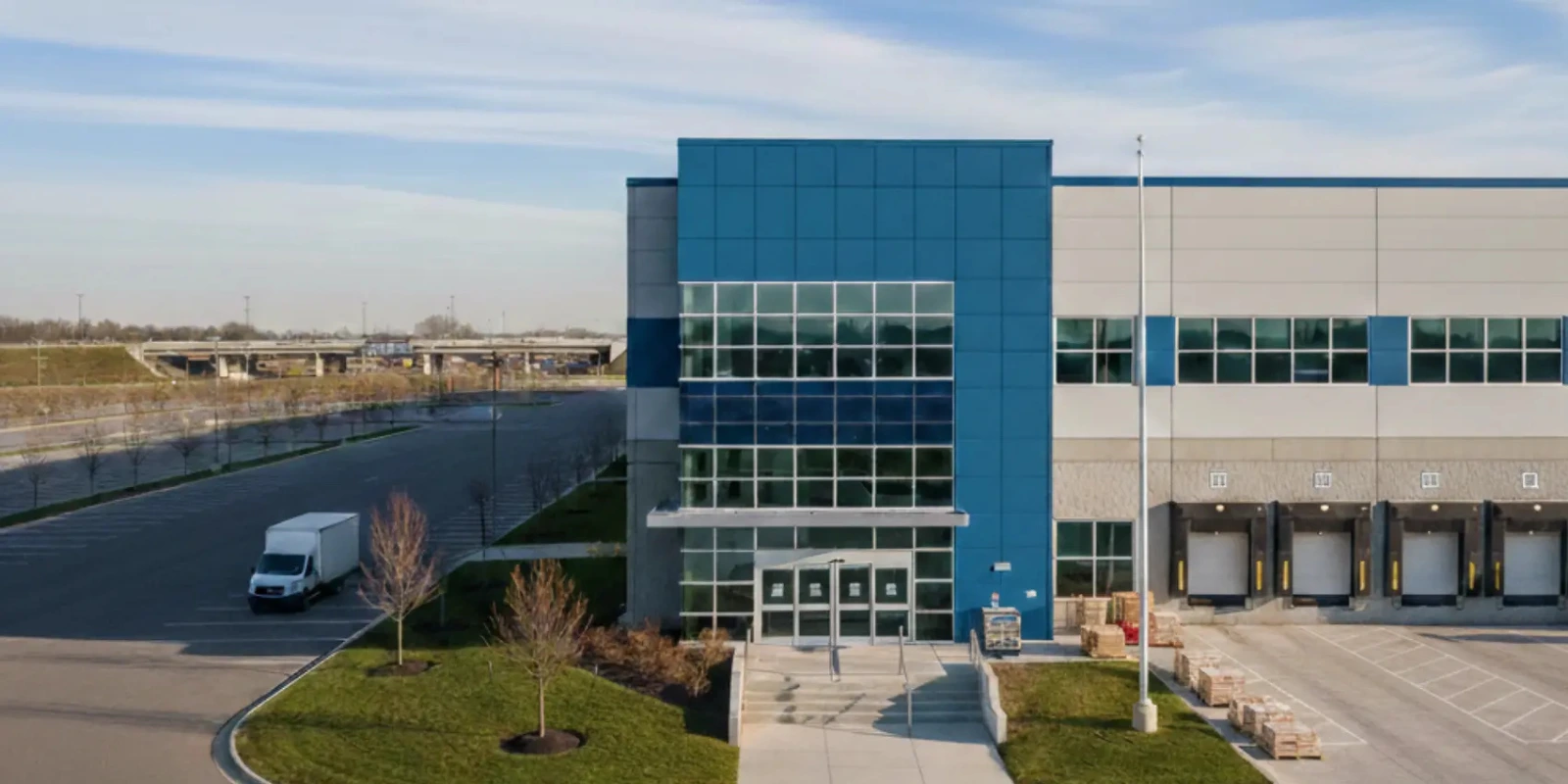

Table of contents
Talk to a fulfillment consultant today
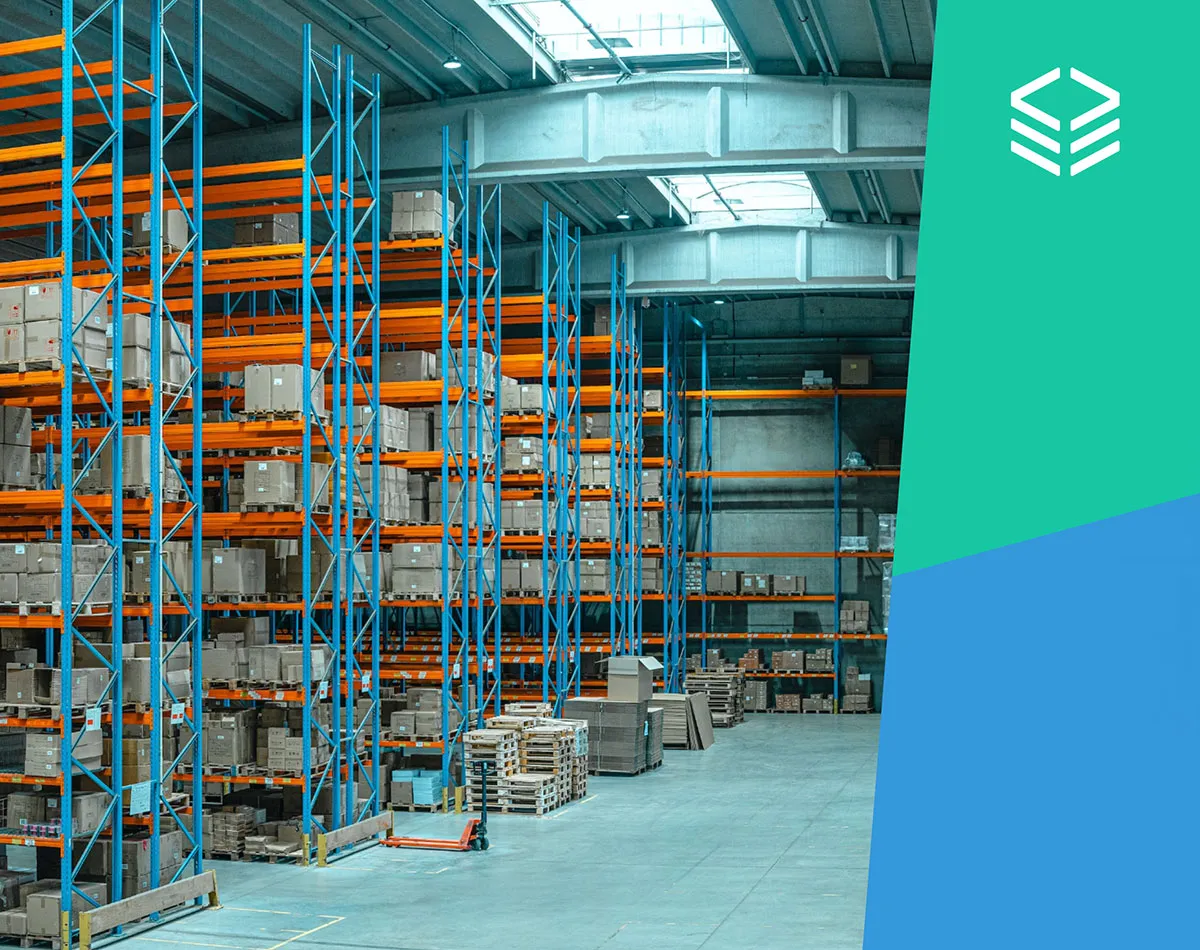
For brands, a fulfillment center for ecommerce is critical to how quickly and reliably products reach customers. From inventory storage and order processing to shipping and returns, fulfillment impacts delivery speed, operating costs, and customer satisfaction.
As direct-to-consumer (DTC) ecommerce continues to grow, many brands are moving away from managing fulfillment in-house or relying on a single, rigid warehouse.
Instead, they are turning to providers with the infrastructure, software, and expertise to power modern ecommerce fulfillment centers with faster delivery, flexible capacity, and real-time visibility.
Flowspace is a fulfillment provider built for high-growth DTC brands. Unlike traditional providers, Flowspace combines technology, hands-on support, and nationwide coverage to help brands place inventory in the right fulfillment centers, cut costs, and scale.
Below are five key benefits of using a fulfillment center for ecommerce—and why Flowspace has become a preferred fulfillment partner for DTC brands in the United States.
Understanding DTC ecommerce fulfillment
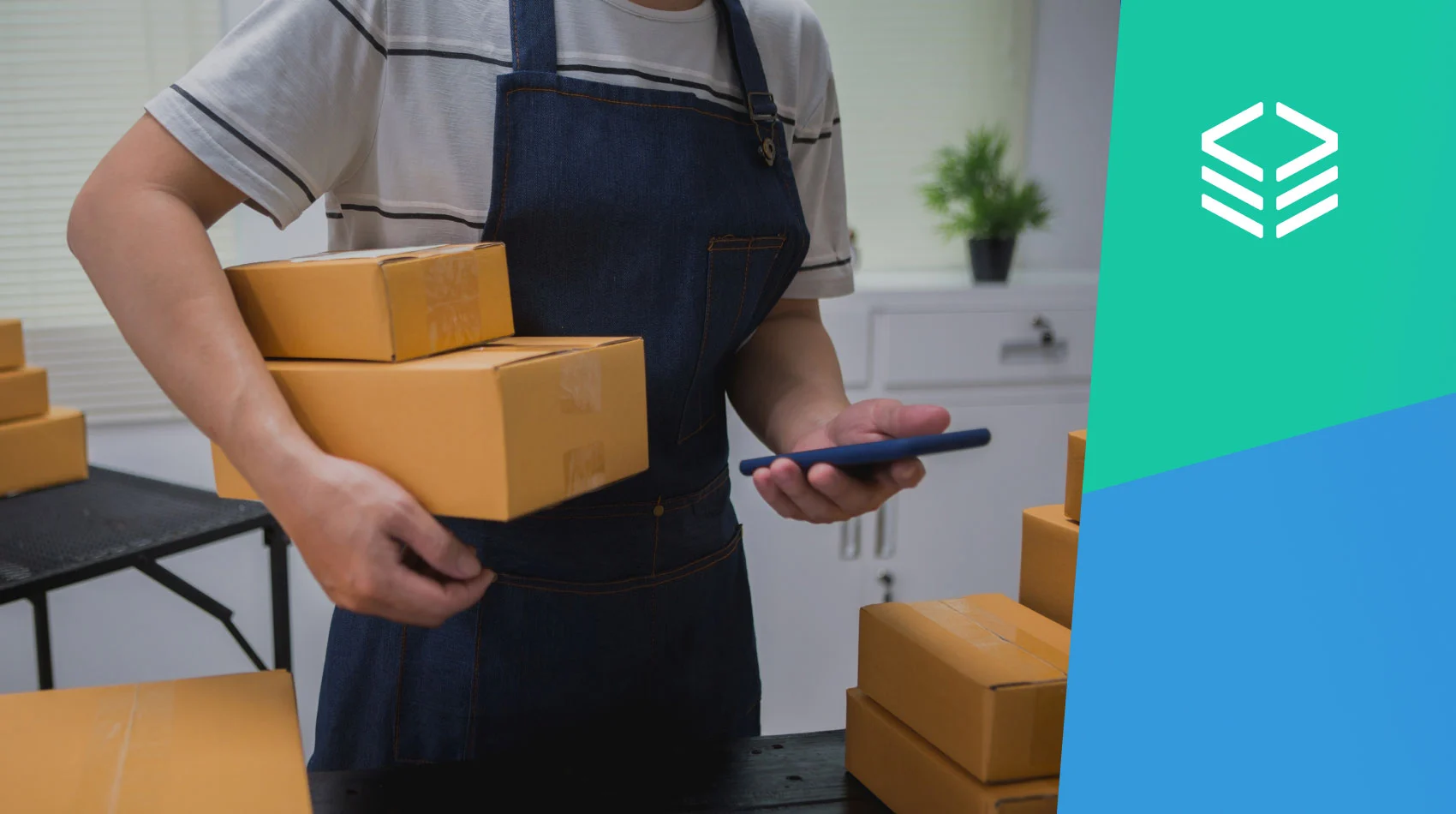
Ecommerce fulfillment is the end-to-end process of storing inventory, processing orders, and shipping products purchased online.
For DTC brands, ecommerce fulfillment typically happens through a fulfillment center and is facilitated by a third-party logistics or fulfillment partner, rather than being done in-house.
Because DTC brands sell directly to consumers, fulfillment performance is highly visible. Delivery speed, order accuracy, packaging quality, and post-purchase support all directly affect customer satisfaction and repeat purchases.
As a result, choosing the right ecommerce fulfillment center (and by extension, partner) plays a critical role in growth and retention.
Why DTC brands need a different fulfillment center
Traditional fulfillment centers were designed for predictable volumes and long-term contracts. DTC brands, however, need:
- Rapid scalability
- Flexible storage
- Fast, reliable shipping nationwide
- Real-time inventory visibility
Modern ecommerce fulfillment models like Flowspace are designed to meet these demands, helping DTC brands grow without being constrained by rigid infrastructure.
Benefit 1: Faster delivery that meets DTC customer expectations
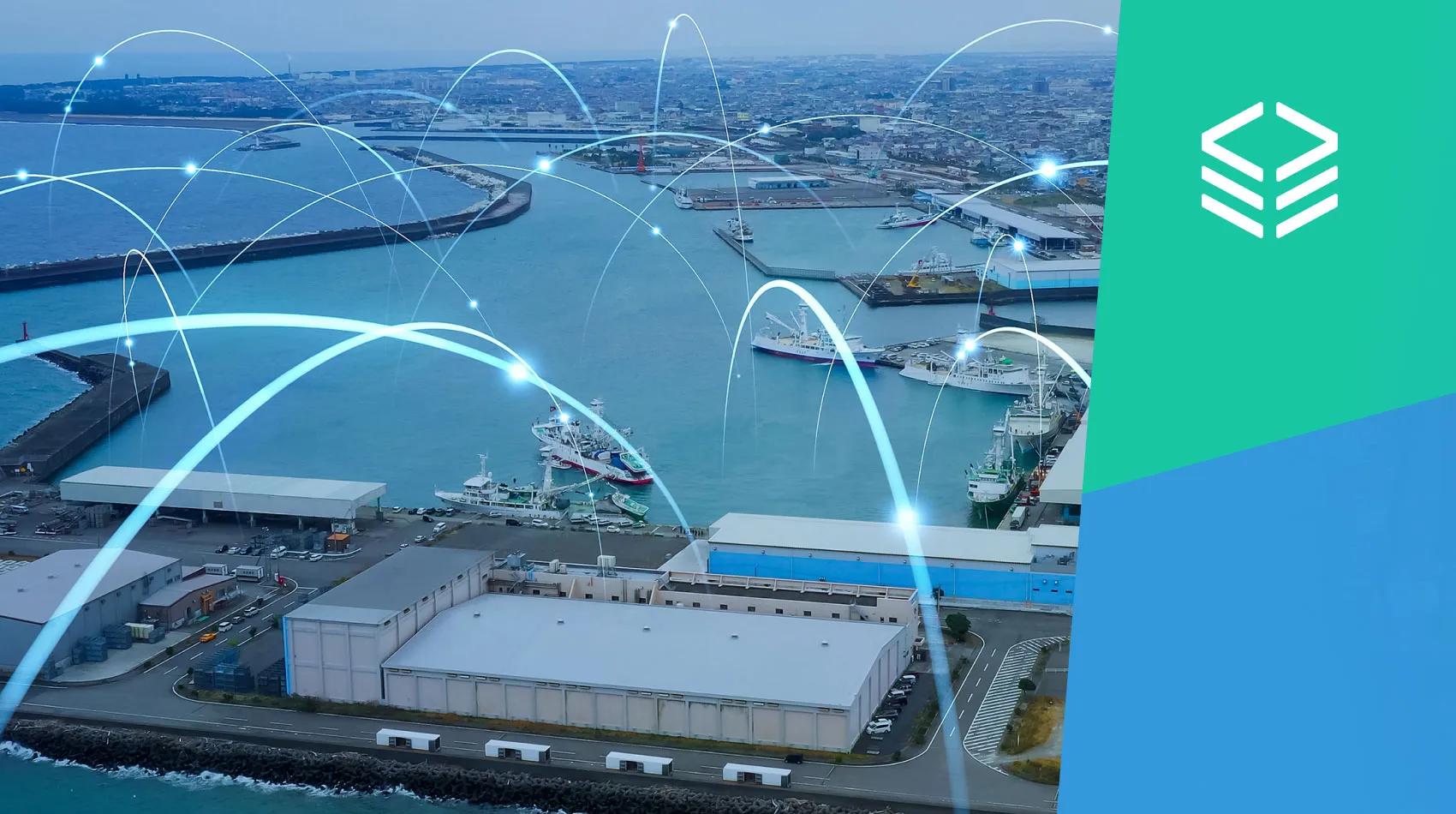
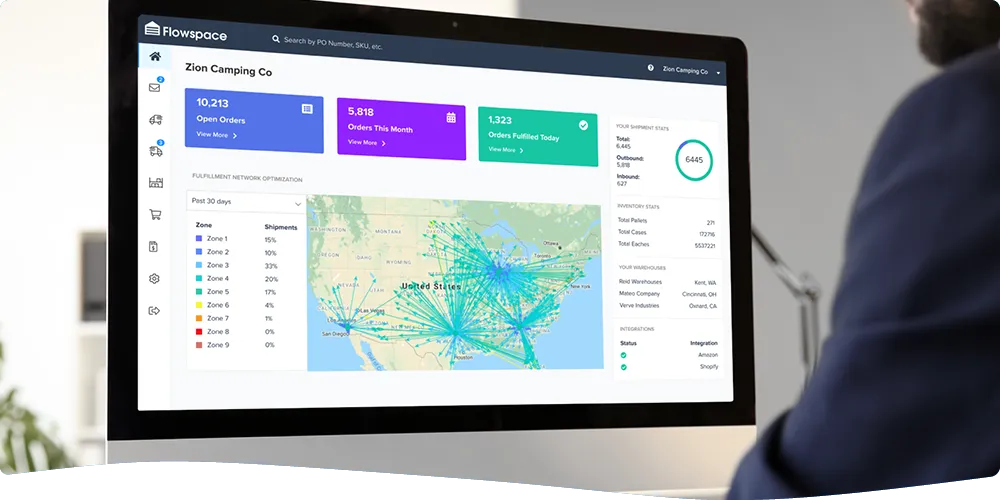
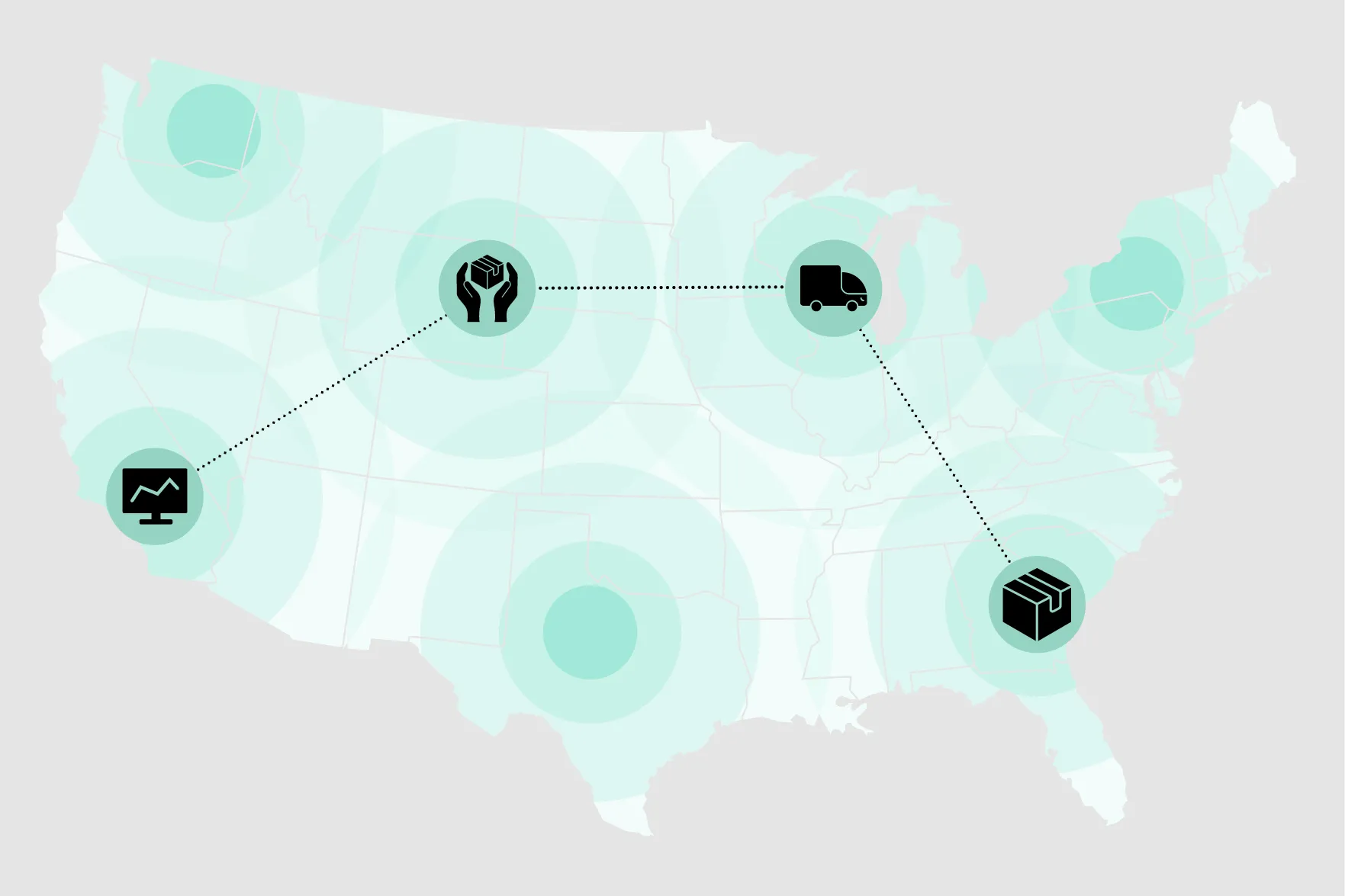
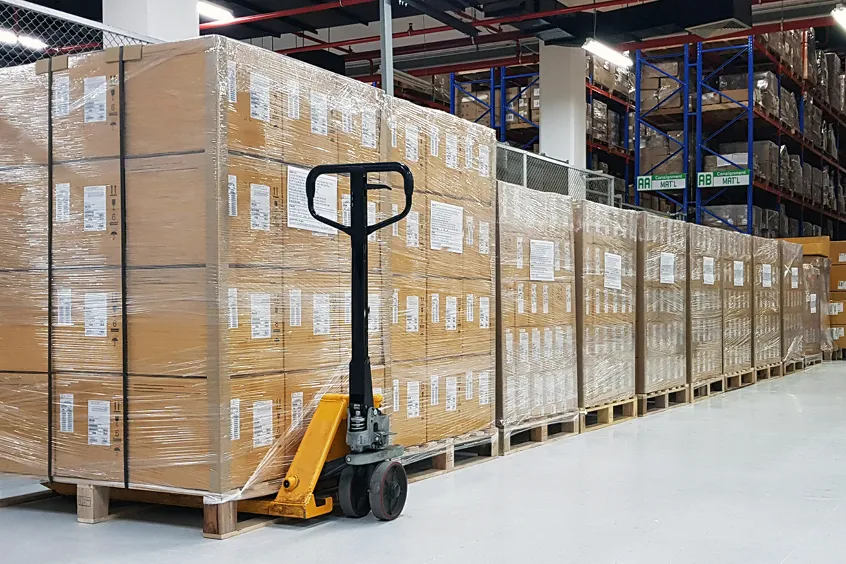
A key advantage of using a fulfillment center for ecommerce is faster delivery to customers. Instead of shipping every order from a single warehouse, modern ecommerce fulfillment providers use multiple locations to position inventory closer to where customers live.
This distributed approach reduces shipping zones, shortens transit times, and makes two-day delivery more achievable without premium shipping costs.
For DTC brands, faster delivery directly impacts conversion rates, customer satisfaction, and repeat purchases.
How Flowspace enables faster ecommerce fulfillment
Flowspace supports scale across nationwide fulfillment centers and uses software to route orders to the most efficient location. This allows DTC brands to:
- Match demand and distribute inventory across key markets
- Reduce average delivery times across the United States (and metro areas of Canada)
- Lower last-mile shipping costs while meeting customer expectations
By combining flexible inventory placement with intelligent order routing, Flowspace helps DTC brands deliver fast, reliable shipping without building or managing their own fulfillment operations.
Benefit 2: Lower shipping and storage costs for DTC growth
Using a modern ecommerce fulfillment center can reduce shipping and storage costs compared to managing fulfillment in-house or relying on traditional, fixed-cost warehouse models.
Instead of investing in long-term leases, labor, and day-to-day warehouse operations, ecommerce brands pay for fulfillment in a way that scales with demand.
For instance, modern fulfillment centers are built with infrastructure and processes that drive economies of scale, lowering per-unit fulfillment costs as order volume increases. This shifts overhead from fixed to flexible, helping DTC brands protect profitability during slower sales periods.
How Flowspace helps control fulfillment costs
Flowspace provides flexible ecommerce warehousing services that allow DTC brands to adjust storage and fulfillment capacity as demand changes. This means brands can:
- Scale storage up or down without long-term commitments
- Avoid paying for unused warehouse space
- Reduce operational risk during seasonal fluctuations
By using a flexible fulfillment center ecommerce model, Flowspace helps DTC brands better align fulfillment costs with actual order volume—improving margins as the business grows.
Benefit 3: Better customer experience and brand control
A reliable fulfillment center for ecommerce directly impacts the customer experience after checkout. For example, accurate order processing, consistent delivery timelines, and clear shipment visibility all shape how customers perceive a brand.
When ecommerce fulfillment breaks down—through late deliveries, incorrect items, or poor communication—customers lose trust quickly.
Using a modern ecommerce fulfillment center helps DTC brands reduce these issues by standardizing fulfillment operations and improving consistency across orders.
How Flowspace supports a better post-purchase experience
Flowspace helps DTC brands deliver a more reliable and consistent fulfillment experience by supporting:
- High-order accuracy through comprehensive software and expertly trained warehouse staff
- Kitting and bundling for multi-SKU orders, promotions, and custom product sets
- Subscription box and recurring order fulfillment with consistent assembly and timing
- Real-time inventory and order status visibility across fulfillment centers
By supporting these fulfillment workflows within modern ecommerce fulfillment centers, Flowspace helps businesses reduce support inquiries, maintain brand consistency, and meet customer expectations across one-time purchases, bundles, and subscriptions.
Benefit 4: Technology and expertise designed for DTC operations
Running an effective fulfillment center for ecommerce requires more than warehouse space.
It depends on operational expertise, advanced technology, and the ability to adapt processes as order volume, SKUs, and sales channels evolve.
For many DTC brands, building this capability internally is costly and time-consuming. Ecommerce fulfillment centers are backed by purpose-built software and provide established processes and trained teams that help brands operate efficiently without managing operational complexity themselves.
How Flowspace supports modern ecommerce fulfillment operations
Flowspace combines expertise with technology designed specifically for ecommerce fulfillment. This allows DTC brands to:
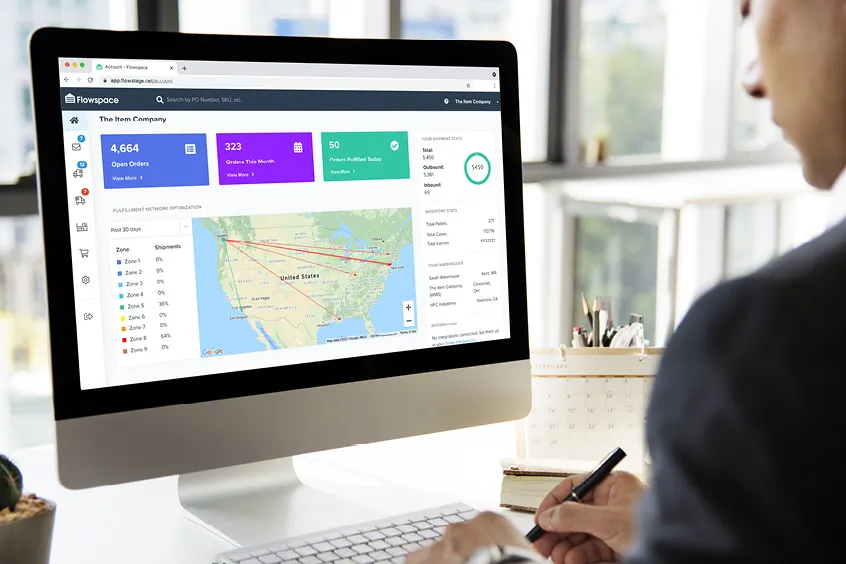
- Manage inventory and orders from a centralized platform
- Launch new products and sales channels quickly
- Monitor fulfillment performance and improve decision-making
By using a trusted partner’s modern ecommerce fulfillment centers—supported by specialized expertise and technology—DTC brands gain operational control and visibility without taking on the burden of running fulfillment in-house.
Benefit 5: Scalable fulfillment that grows with your DTC brand
A key advantage of using an ecommerce fulfillment center is the ability to scale as your business grows.
DTC brands often face changing demand due to seasonality, promotions, product launches, or rapid growth—making rigid setups difficult to manage.
Modern ecommerce fulfillment centers are designed to adjust storage, labor, and order volume without requiring brands to commit to fixed capacity. This flexibility allows DTC brands to grow without being constrained by long-term warehouse limitations or operational bottlenecks.
How Flowspace supports scalable ecommerce fulfillment
Flowspace enables DTC brands to scale fulfillment operations without disruption by allowing them to:
- Adjust storage and capacity as demand changes
- Expand into new regions without reworking infrastructure
- Support new sales channels and order types as the business evolves
By using a flexible fulfillment center ecommerce model, Flowspace helps DTC brands adapt quickly to growth opportunities while maintaining reliable performance.
Why Flowspace is the right fulfillment partner for DTC brands
Choosing the right fulfillment center for ecommerce is essential to delivering fast, reliable orders while controlling costs and scaling operations.
Through nationwide locations, purpose-built technology, and deep operational expertise, Flowspace provides flexible, high-performance fulfillment for DTC brands. Brands can place inventory closer to customers, move faster after checkout, and grow without locking into fixed infrastructure.
Discover how Flowspace’s ecommerce fulfillment centers, technology, and expertise work together to support flexible growth. Connect to get started.
Ecommerce fulfillment centers FAQ
What is a fulfillment center for ecommerce?
A fulfillment center for ecommerce is a facility that stores inventory and handles order processing, picking, packing, shipping, and returns for online orders. It supports ecommerce brands by managing the operational work required to deliver products to customers.
How is ecommerce fulfillment different for DTC brands?
DTC ecommerce fulfillment is more customer-facing than wholesale or marketplace fulfillment. DTC brands are judged directly on delivery speed, order accuracy, packaging, and post-purchase experience, making fulfillment performance a critical part of brand perception.
Why do ecommerce brands use fulfillment centers instead of in-house warehouses?
Ecommerce brands use fulfillment centers to avoid the cost and complexity of running their own warehouse operations. Fulfillment centers provide scalable storage, trained fulfillment teams, and established processes that are difficult and expensive to replicate internally.
How does a fulfillment center for ecommerce help with faster shipping?
A fulfillment center for ecommerce enables faster shipping by allowing brands to store inventory in multiple locations and ship orders from the most efficient fulfillment center. This reduces transit time and helps brands meet customer delivery expectations.
Can fulfillment centers handle kitting, bundling, and subscription?
Yes. Modern ecommerce fulfillment centers support kitting, bundling, and subscription fulfillment. These capabilities allow brands to assemble multi-SKU orders, promotional bundles, and recurring shipments consistently and accurately.
How does Flowspace support ecommerce fulfillment for DTC brands?
Flowspace supports ecommerce fulfillment by providing flexible fulfillment operations, technology for daily and surge-volume operations, and hands-on expertise. This helps DTC brands scale fulfillment while maintaining speed, accuracy, and control.
Last Updated
category
Related articles









Start simplifying fulfillment with Flowspace today
Discover how Flowspace can simplify fulfillment and help your brand scale faster, with no long-term contracts or hidden commitments.
