Fulfillment built for peak season
Peak season spikes shouldn't slow you down. Flowspace gives you flexible capacity, distributed inventory, and real-time visibility to keep customers happy and costs in check.
Trusted by hundreds of growing brands.


Scale peak season fulfillment
Can your fulfillment partner handle peak demand?

Place inventory closer to demand

Add capacity when volume spikes

Keep every channel connected

Stay in control when demand changes
How it works
Plan. Scale. Optimize.

Plan ahead
Scale through the peak
Optimize after peak
CUSTOMER STORIES
Don’t just take our word for it,hear from our customers


We have had to spend the least amount of time worrying about fulfillment and warehousing than ever before since working with Flowspace.

Flowspace has been an invaluable partner as the brand expands. Not only have we been able to drive down costs, they also ensure we deliver on our commitment to an excellent experience for our loyal customers.

“With Flowspace, my time is freed up to focus on other priorities. It’s been a huge part of our success.”
Resources
Peak season fulfillment guides
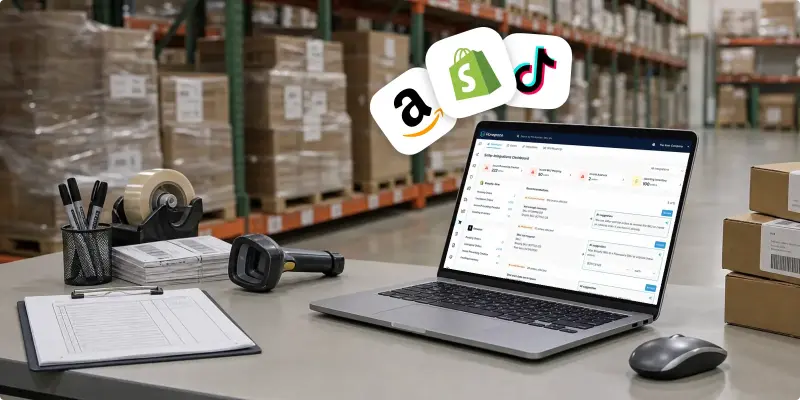
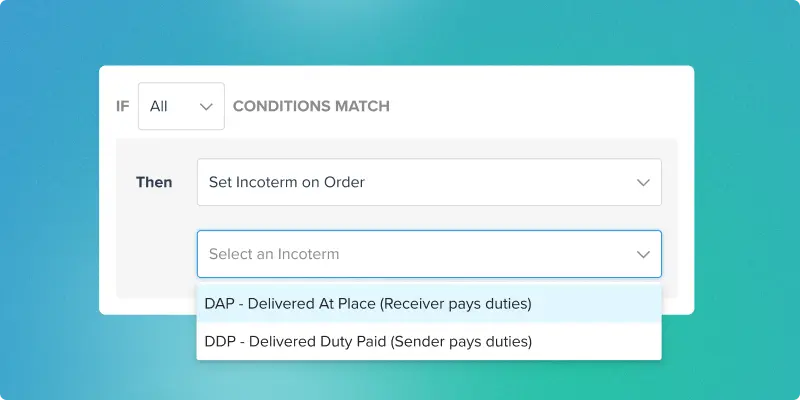
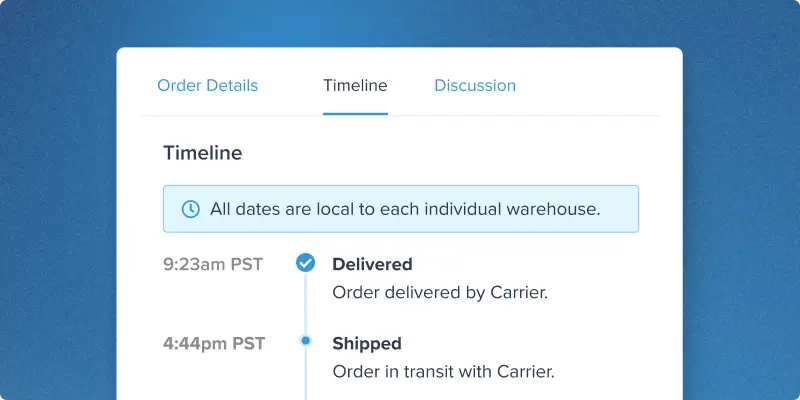
Flexible order management: Edit, replace, cancel and track
Build your fulfillment plan for your next peak
Talk with our team about your current fulfillment setup, upcoming demand, and where you need more flexibility or visibility

Peak season fulfillment FAQs
Get quick answers to our top questions, from shipping and warehouse setup to scaling your brand.
Peak season fulfillment is the process of managing higher-than-normal order volumes during high-demand periods such as Black Friday, Cyber Monday, Prime Day, and other major sales events. It involves planning inventory, fulfillment capacity, shipping, staffing, and returns so brands can keep orders moving without sacrificing speed, accuracy, or customer experience.
Brands should start preparing for peak season several months in advance. Early planning gives teams time to forecast demand, position inventory, confirm fulfillment capacity, review carrier timelines, and prepare for promotional spikes before order volume increases.
A 3PL can help brands manage higher order volumes by providing additional fulfillment capacity, distributed inventory, shipping support, and operational visibility. The right 3PL can also help brands scale across sales channels without adding warehouse infrastructure or internal headcount.
There is no single inventory target that works for every brand. Peak season inventory should be based on demand forecasts, historical sales, lead times, promotional plans, and fulfillment capacity. Brands should also consider where inventory is positioned so products are available close to expected demand.
Brands can reduce fulfillment delays by forecasting demand early, positioning inventory ahead of peak, confirming warehouse and carrier capacity, and monitoring orders and inventory in real time. Building flexibility into the fulfillment network can also help teams respond faster when demand changes.
Distributed fulfillment allows brands to place inventory across multiple locations instead of relying on a single facility. This can help shorten shipping distances, improve delivery speed, reduce pressure on individual warehouses, and provide more flexibility when order volume spikes.
A brand may want to evaluate a new fulfillment provider when its current setup cannot reliably support growth, peak order volumes, required delivery speeds, inventory visibility, or multiple sales channels. Peak season can also highlight recurring fulfillment issues that may be worth addressing before the next high-volume period.