What Is a 3PL? Third-Party Logistics Explained


Table of contents
Talk to a fulfillment consultant today
A 3PL, or third-party logistics provider, is a company that manages logistics operations on behalf of another business. These services can include warehousing, inventory management, order fulfillment, transportation, and shipping.
For ecommerce brands, working with a 3PL means outsourcing fulfillment activities such as storing products, picking and packing orders, and coordinating delivery to customers.
But what does a 3PL actually do, how does the fulfillment process work, and when should a business consider using one? This guide explains the services, benefits, costs, and practical examples of third-party logistics.
What is a 3PL in logistics?
3PL stands for third-party logistics, a business model in which companies outsource logistics activities to an external provider.
Rather than managing every aspect of warehousing and fulfillment internally, a business can work with a 3PL company to handle specific operations or coordinate multiple logistics services.
For example, an ecommerce brand might send its inventory to a 3PL warehouse. When a customer places an order, the provider picks the products, packs the shipment, and coordinates delivery through a shipping carrier.
The business continues to manage its products, sales channels, and customer relationships while the 3PL supports the physical movement and fulfillment of inventory.
How does a 3PL work?
The 3PL fulfillment process typically follows five steps, from receiving inventory to shipping customer orders.
1. Inventory receiving
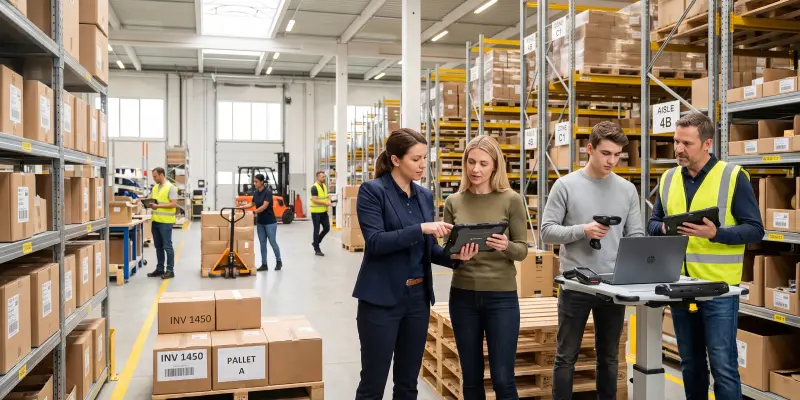
The brand sends products from its manufacturer, supplier, or existing warehouse to a 3PL fulfillment location. The provider receives the shipment, checks the inventory against the expected quantities, and prepares the products for storage.
2. Warehousing and inventory management
Products are stored in designated warehouse locations. Inventory management systems track available stock, product movements, and inventory levels to support accurate order processing.
3. Order processing
When a customer places an order through an ecommerce store, marketplace, or other sales channel, the order information is sent to the fulfillment provider. Integrated systems help connect sales activity with warehouse operations.
4. Picking, packing, and shipping
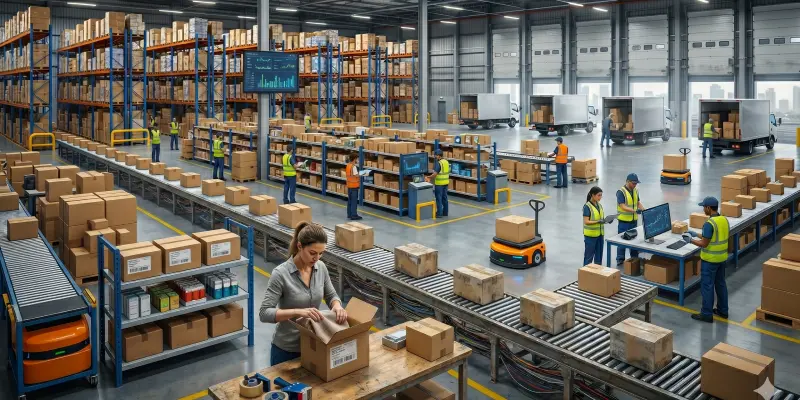
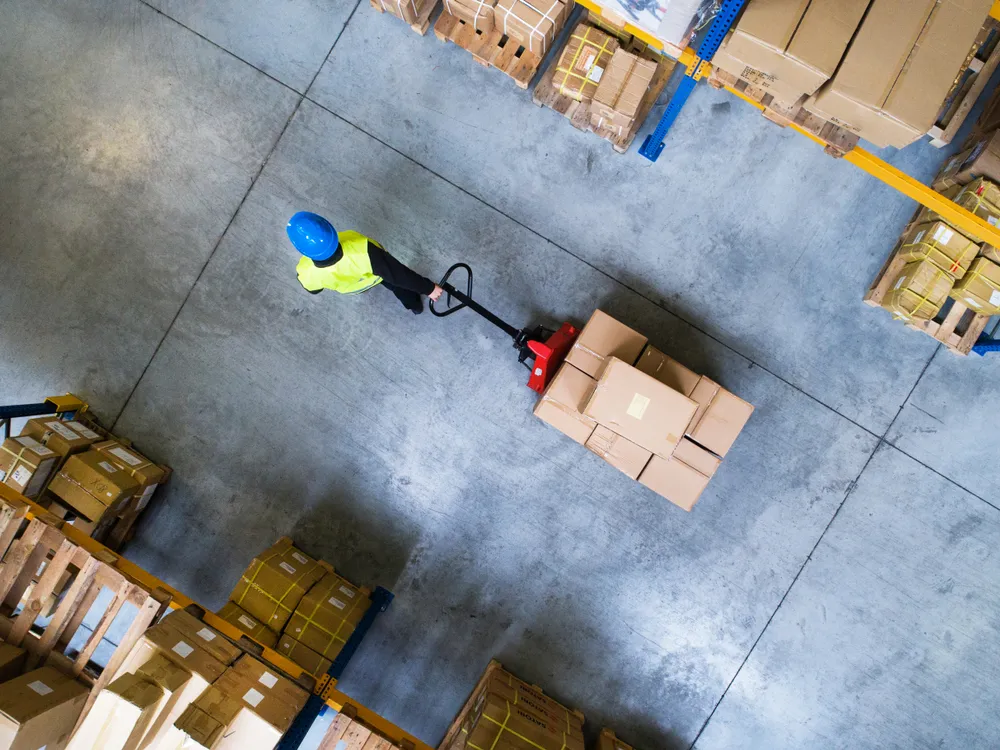
Warehouse staff locate the ordered products, prepare the package according to the brand's requirements, and arrange shipment through a carrier.
Depending on the fulfillment setup, the shipment may use branded packaging, inserts, or shipping documentation.
5. Returns processing
When returns management is included in the service agreement, the 3PL can receive returned products, inspect their condition, and process them according to the brand's instructions.
The exact fulfillment process and available services vary by provider and operational requirements.
What services does a 3PL provide?
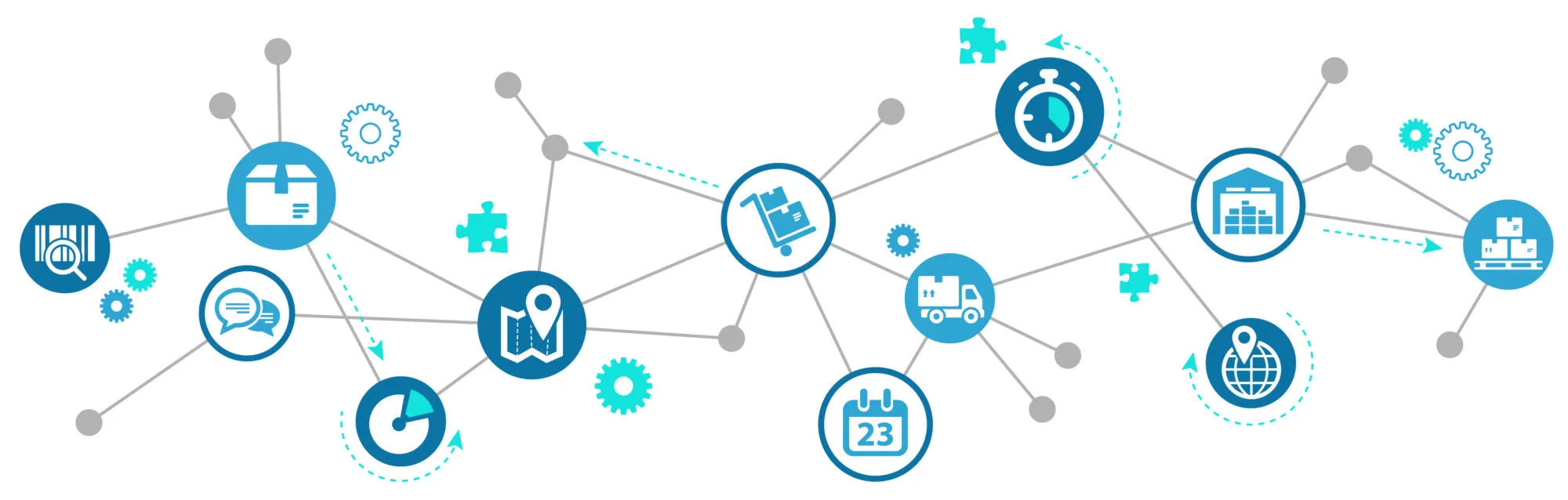
Third-party logistics companies can support multiple stages of the fulfillment process, from inventory storage to outbound shipping.
The table below summarizes common 3PL services and their functions.
Some providers specialize in individual services, while others offer integrated fulfillment solutions that combine warehousing, order management, transportation, and inventory visibility.
The services a brand needs will depend on its products, sales channels, order volume, and fulfillment requirements.
What is a 3PL warehouse?
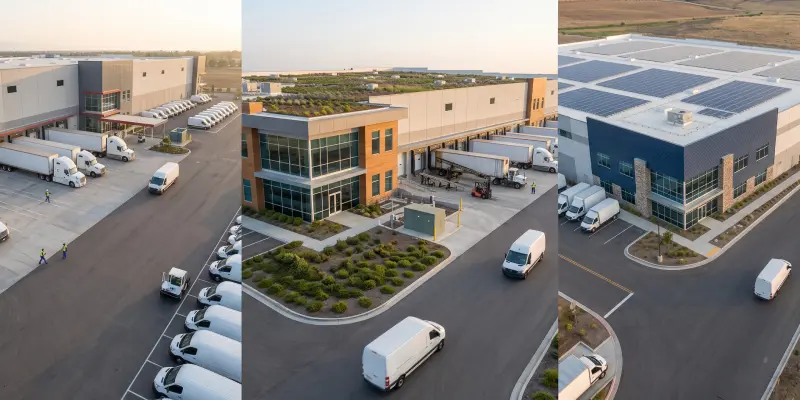
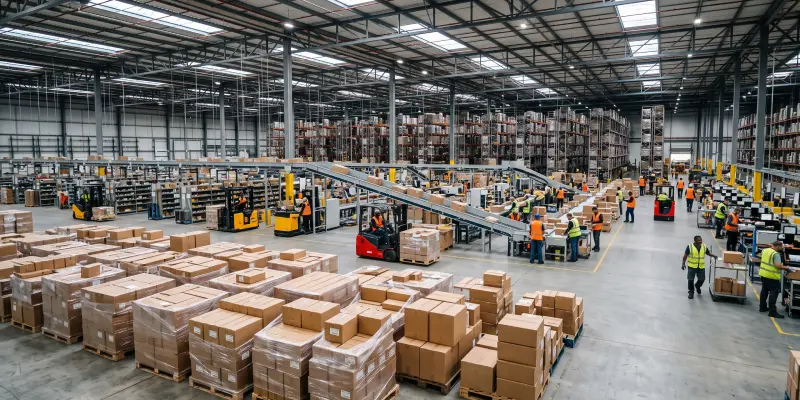
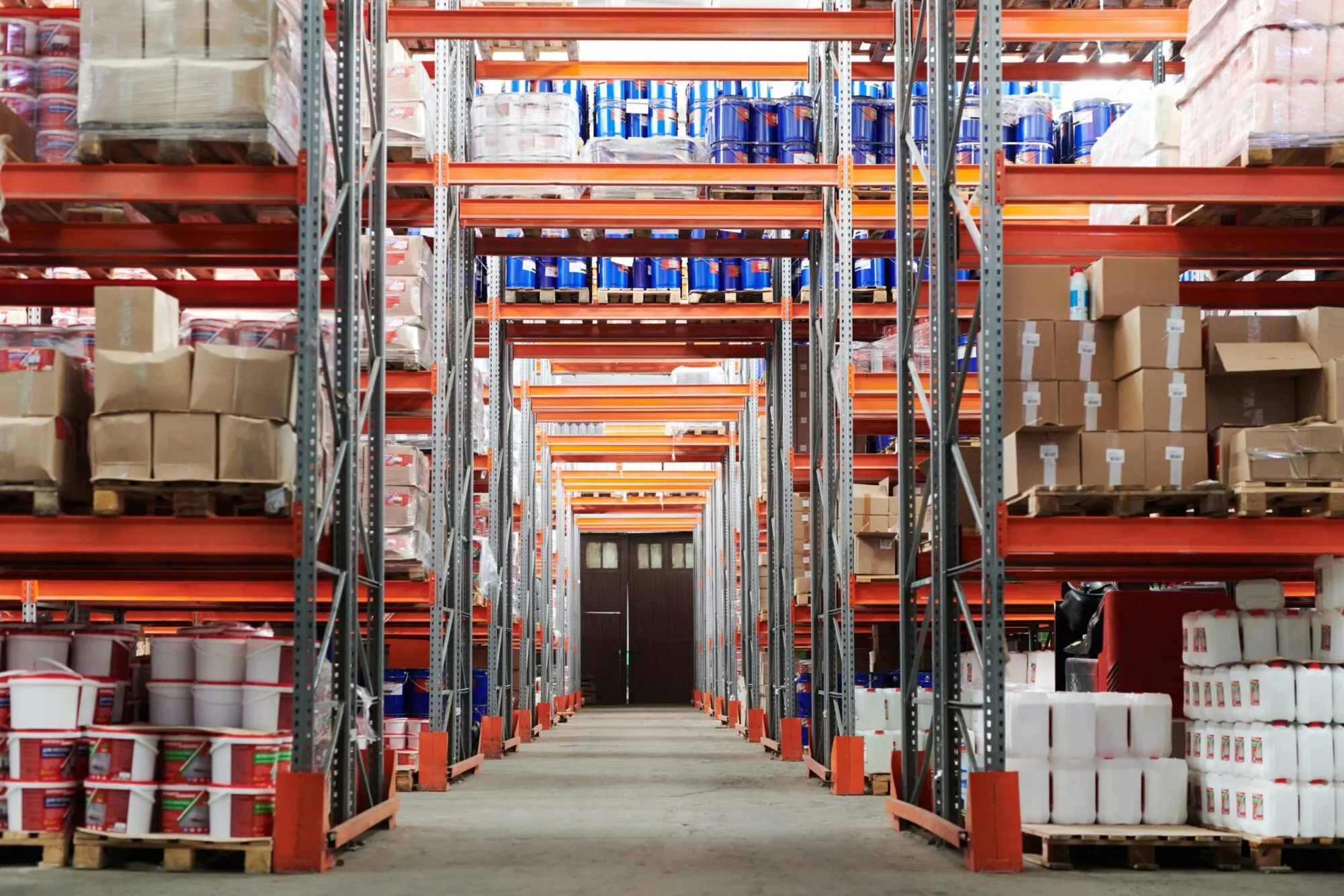
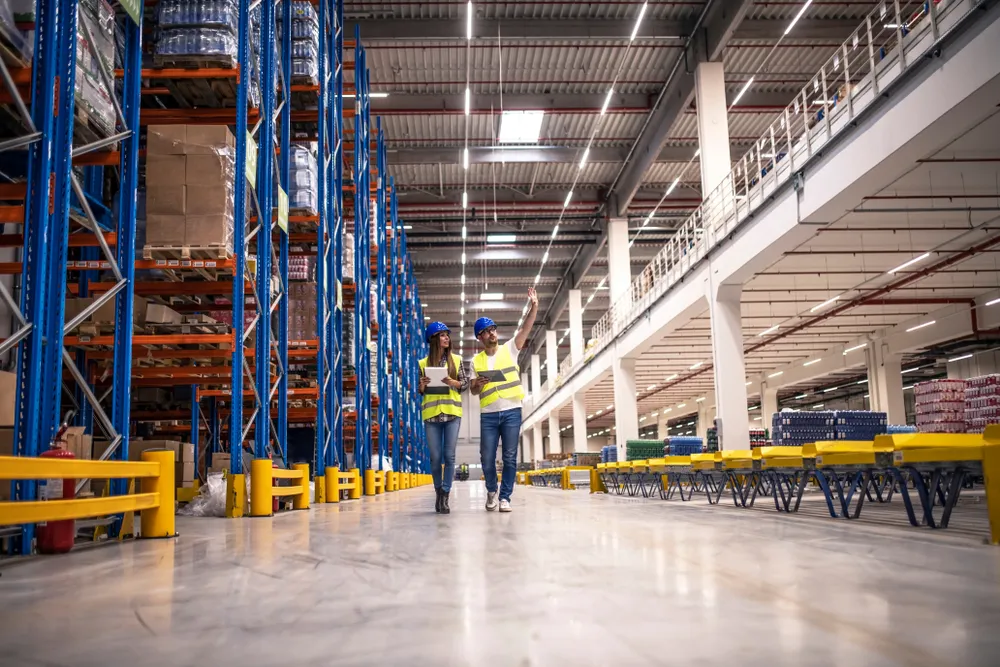
A 3PL warehouse is a facility where a third-party logistics provider stores and manages inventory on behalf of its customers.
Unlike a warehouse used exclusively by one business, a 3PL facility may support multiple brands, allowing them to access shared warehousing infrastructure, equipment, labor, and technology.
Depending on its operations, a 3PL warehouse may support inventory receiving, storage, order picking, packing, shipping, and returns.
A fulfillment center is a type of warehouse designed to process and ship orders. For a more detailed explanation, explore the differences between fulfillment centers and warehouses.
3PL examples: How third-party logistics works in practice
Third-party logistics supports different business models and fulfillment requirements. Here are three examples of how companies may use 3PL services.
Example 1: Ecommerce order fulfillment
An ecommerce brand sells products through its online store and uses a 3PL provider to store inventory and fulfill orders.
When a customer completes a purchase, the order is transmitted to the fulfillment provider. The warehouse team picks, packs, and ships the products while the brand focuses on merchandising, marketing, and customer relationships.
Example 2: Omnichannel fulfillment
A consumer brand sells through its own website, online marketplaces, and retail partners.
A 3PL with omnichannel capabilities can support different order types, including direct-to-consumer shipments and business-to-business fulfillment, while helping the brand manage inventory across sales channels.
Example 3: Distributed inventory and fulfillment
A growing brand serves customers across multiple geographic regions.
By working with a fulfillment provider that offers multiple warehouse locations, the brand can position inventory closer to different customer markets and coordinate orders across its fulfillment network.
Inventory placement and order routing can help support delivery goals and shipping efficiency.
These examples illustrate common 3PL use cases rather than specific customer results.
How much does a 3PL cost?
The cost of working with a 3PL depends on the services provided, inventory characteristics, order volume, storage requirements, and shipping needs.
Common fulfillment pricing components include:
- Receiving fees: Charges for processing incoming inventory.
- Storage fees: Costs associated with warehouse space, often calculated using pallets, shelves, bins, or other storage units.
- Pick and pack fees: Charges for selecting products and preparing customer orders.
- Shipping costs: Transportation charges based on factors such as package dimensions, weight, destination, and shipping service.
- Additional services: Fees for activities such as kitting, special packaging, labeling, or returns processing.
Different providers use different pricing structures. Some charge separately for individual services, while others bundle certain fulfillment activities into a per-order fee.
Some logistics arrangements also use cost-plus pricing, in which the provider charges agreed operating costs plus a defined fee or margin.
When evaluating fulfillment costs, brands should consider the full scope of services rather than comparing a single per-order fee.
What are the benefits of using a 3PL?
Working with a third-party logistics provider can offer several advantages for businesses that want to streamline fulfillment operations and support growth.
Access to fulfillment infrastructure
A 3PL allows brands to use established warehouse facilities, equipment, operational processes, and fulfillment teams without building every capability internally.
Scalability and flexibility
Fulfillment requirements can change as order volume grows, new products launch, or seasonal demand increases.
A 3PL with flexible operational capacity can help brands adapt their fulfillment strategy to changing business needs.
Inventory visibility and technology
Technology-enabled fulfillment providers can offer tools for tracking inventory levels, monitoring order status, and reviewing fulfillment performance.
Integrated systems can also help brands coordinate inventory and orders across ecommerce platforms, marketplaces, and other sales channels.
Shipping and distribution efficiency
A 3PL can coordinate shipping through carrier relationships and fulfillment locations that support the brand's customer distribution.
Depending on the network and inventory placement strategy, this can help businesses improve shipping efficiency and support their delivery objectives.
Greater focus on business growth
By outsourcing day-to-day warehouse operations, brands can dedicate more internal resources to product development, marketing, sales, and customer experience.
3PL vs. in-house fulfillment: What's the difference?
The main difference between a 3PL and in-house fulfillment is who manages the physical fulfillment operation.
With in-house fulfillment, a business manages its own warehousing, equipment, fulfillment staff, picking, packing, and shipping processes.
With third-party logistics, the business works with an external provider to handle agreed fulfillment operations.
In-house fulfillment gives brands direct responsibility for their day-to-day processes, while a 3PL provides access to established fulfillment infrastructure and operational expertise.
The most appropriate model depends on order volume, operational requirements, available resources, and long-term growth plans.
For a deeper comparison, read our comprehensive guide to outsourced fulfillment.
When should a business use a 3PL?
Businesses may consider working with a 3PL when their fulfillment needs require additional infrastructure, technology, capacity, or operational support.
Common situations include:
- Growing order volume: The business needs additional fulfillment capacity as sales increase.
- Expansion into new markets: The brand wants to serve customers across more geographic regions.
- Multiple sales channels: Orders need to be managed across ecommerce stores, marketplaces, wholesale accounts, or retail partners.
- Seasonal demand: The business needs fulfillment operations that can adapt to fluctuations in order volume.
- Operational efficiency: The team wants to spend less time managing warehouse activities and more time growing the business.
Before selecting a provider, brands should evaluate warehouse coverage, fulfillment capabilities, technology integrations, pricing, service levels, and operational support.
Our guide on how to choose a 3PL explains additional considerations, including onboarding and system integration.
Frequently asked questions about 3PLs
What does 3PL stand for?
3PL stands for third-party logistics. It refers to outsourcing logistics operations, such as warehousing, inventory management, and order fulfillment, to an external service provider.
What is a 3PL company?
A 3PL company provides logistics services for other businesses. Depending on its capabilities, it may manage inventory storage, warehouse operations, order processing, shipping, transportation, and returns.
What is an example of a 3PL?
An example is an ecommerce brand using a fulfillment provider to store its products, receive orders from its online store, and pick, pack, and ship purchases to customers.
Is a 3PL the same as a freight broker?
No. A 3PL can provide a range of logistics services, including warehousing, inventory management, and fulfillment. A freight broker primarily connects shippers with transportation carriers and coordinates freight services.
Learn more in our guide to 3PL vs. freight broker.
What is the difference between a 3PL and a 4PL?
A 3PL generally performs or manages specific logistics services, such as warehousing and fulfillment. A fourth-party logistics provider (4PL) typically takes a broader coordination role across multiple logistics partners.
Read our comparison of 3PL vs. 4PL.
Simplify third-party logistics with Flowspace
Flowspace combines a nationwide fulfillment network with centralized technology to help ecommerce and omnichannel brands manage inventory, orders, and fulfillment operations.
With integrated order management, real-time inventory visibility, and support for fulfillment across multiple locations, Flowspace helps brands coordinate operations as their business grows.
Whether you're expanding into new sales channels, optimizing inventory placement, or looking for a more connected fulfillment strategy, Flowspace brings fulfillment services and software together in one solution.
Explore Flowspace's fulfillment services or talk to our team.
Last Updated
category
Related articles


Start simplifying fulfillment with Flowspace today
Discover how Flowspace can simplify fulfillment and help your brand scale faster, with no long-term contracts or hidden commitments.
