It’s peak time to get ahead of forecasting for off-peak products
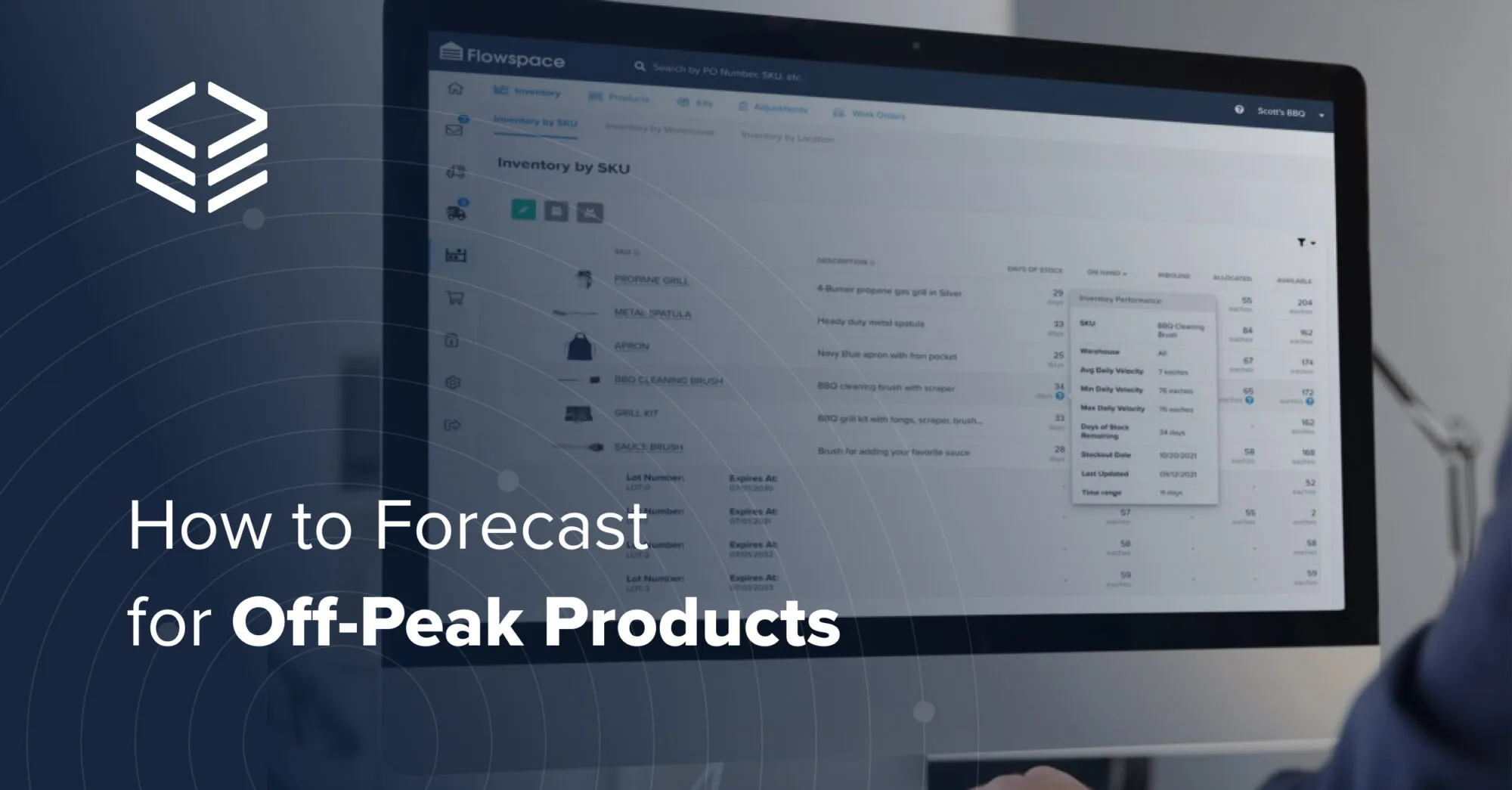

Table of contents
Talk to a fulfillment consultant today
Tis’ the season for peak shopping and product sales—unless your catalog includes off-peak or specialty seasonal items. For brands specializing in season-specific products, such as grills, camping gear, swim supplies, and ski equipment to name just a few, the holiday shopping period is not peak sales season, but peak planning season. Seasonal products often necessitate specific logistics and fulfillment strategies, particularly when it comes to accurately forecasting inventory needs and planning far enough in advance to properly allocate products for retail and DTC fulfillment. With ongoing supply chain issues and inflationary pressures throwing consumer demand into flux, it’s more important than ever that brands plan in advance. The strategies companies put in place to now capitalize on the short window of opportunity in which their seasonal products are in demand can make all the difference in meeting revenue targets for the year.
Balancing seasonal spikes with omnichannel software
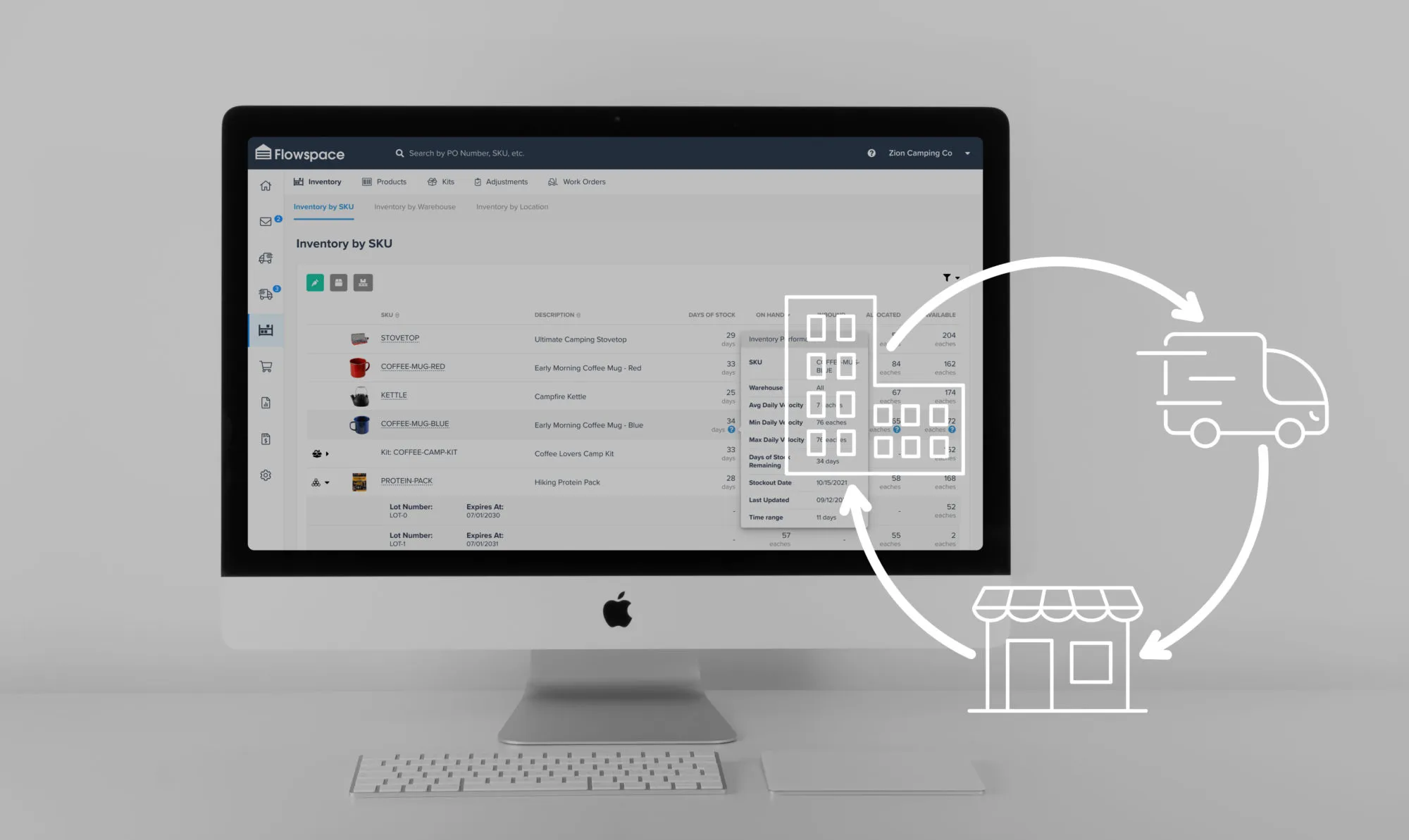
Brands selling seasonal items can benefit from software that supports omnichannel fulfillment, along with real-time inventory and order visibility so they can properly scale across channels during peak periods of demand.For instance, consider grills and grill accessories. Cooking outdoors can be comfortable year-round in some parts of the country, but for many, grilling is reserved for the spring and summer seasons, and sales are concentrated in the warmer months as a result.The grilling industry’s revenue topped $6 billion in sales last year, according to Retail Tracking Service data from The NPD Group, and though seasonal distribution of outdoor grilling occasions became more spread out in 2021, summer continues to be the period when most outdoor grilling takes place. Nearly 13 million grill accessories were sold in the second half of the year alone. Brands selling grills and grill supplies would be wise to plan ahead, leaning on real-time and historic order and sales data to forecast inventory needs well in advance of the summer peak season to ensure enough stock is available to meet customer demand. An understanding of where, when, and how customers purchase grills and accessories can help teams determine what channels to sell through, and when to deploy promotions, to maximize sales from both new customers and grill enthusiasts alike.
Optimizing seasonal fulfillment operations
The beauty of streamlined, omnichannel fulfillment for off-peak products is that you can maintain distributed inventory based on the geographic areas of greatest demand from all channels, enabling you to deliver products faster and more affordably. This is true whether a customer purchases via a digital storefront, a marketplace, or from a retail store.Outsourcing to one fulfillment partner also offers a holistic view of sales performance and order profile per channel and geographic market, improving decision-making around inventory allocation and marketing spend. Even in the off-season, this software can be used to analyze customer behavior and surface shopping trends to make better forecasting decisions. With a year-round view of fulfillment and inventory storage needs, brands can strengthen their use of seasonal demand to drive business growth.
Flowspace has you covered for off-peak products
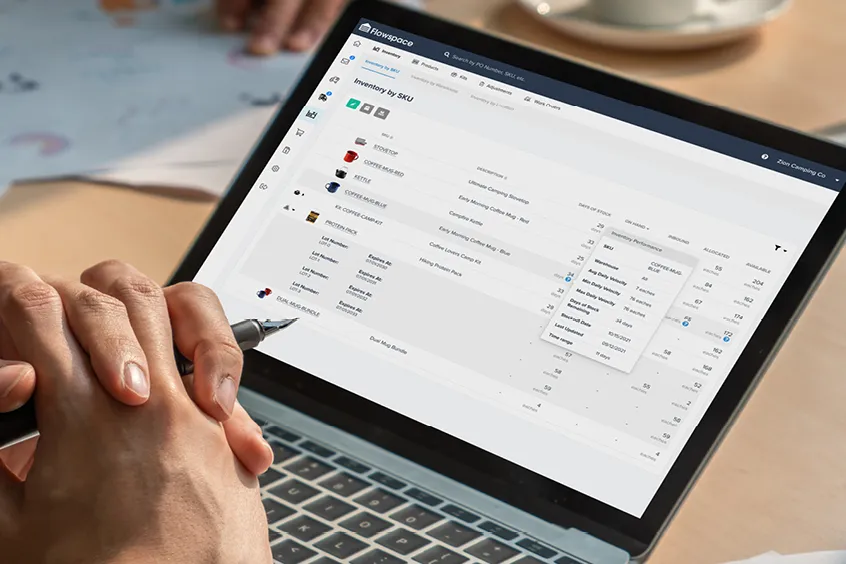
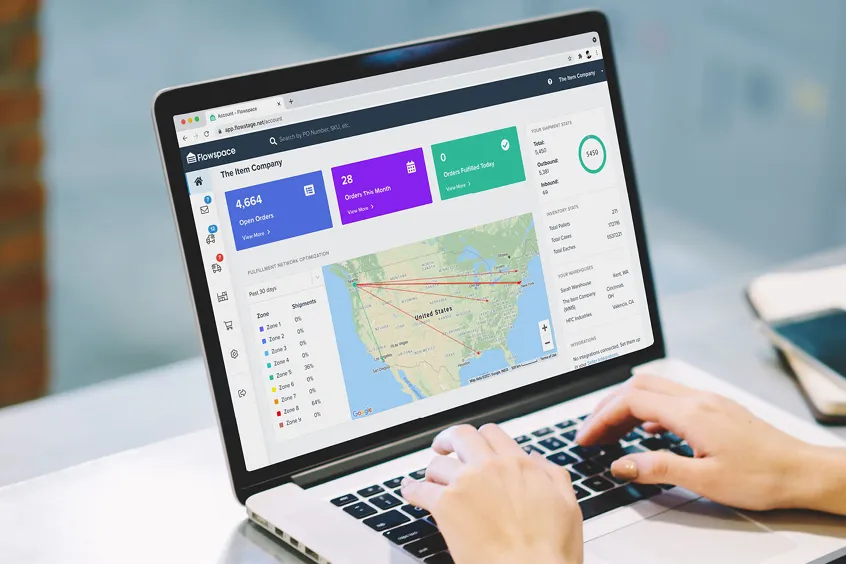
The Flowspace platform provides an ecommerce command center, centralizing visibility and control of orders, inventory, and fulfillment operations across channels, whether you’re in the business of peak or off-peak products or both.Don’t delay planning ahead. Get in touch with a fulfillment consultant today to find out how Flowspace can help you prepare.
Last Updated
category
Related articles

















Start simplifying fulfillment with Flowspace today
Discover how Flowspace can simplify fulfillment and help your brand scale faster, with no long-term contracts or hidden commitments.
