How to avoid stockouts and overstocking


Table of contents
Talk to a fulfillment consultant today
For most retailers, stockouts are a worst case scenario. You can’t make any money if you run out of inventory to sell, but holding too much inventory can eat away at profitability. You have to strike the right balance between out-of-stock and overstock.
In this article you’ll learn the basics of inventory management and the best ways to manage stock levels, prevent stockouts and avoid overstocking.
What Is Overstocking And Understocking?
In all forms of retail, overstocking is when a company orders too much inventory and understocking is when a company orders too little. To minimize the likelihood of overstocking and understocking, retailers utilize a systematic process of sourcing, storing, and selling inventory, known as inventory management.
Proper inventory forecasting and product inventory management not only enables retailers to operate efficiently, it guards against shortages, ensures bulk purchasing discounts, and makes it possible to respond to shifts in customer demand.
What is the Impact of Overstocking?
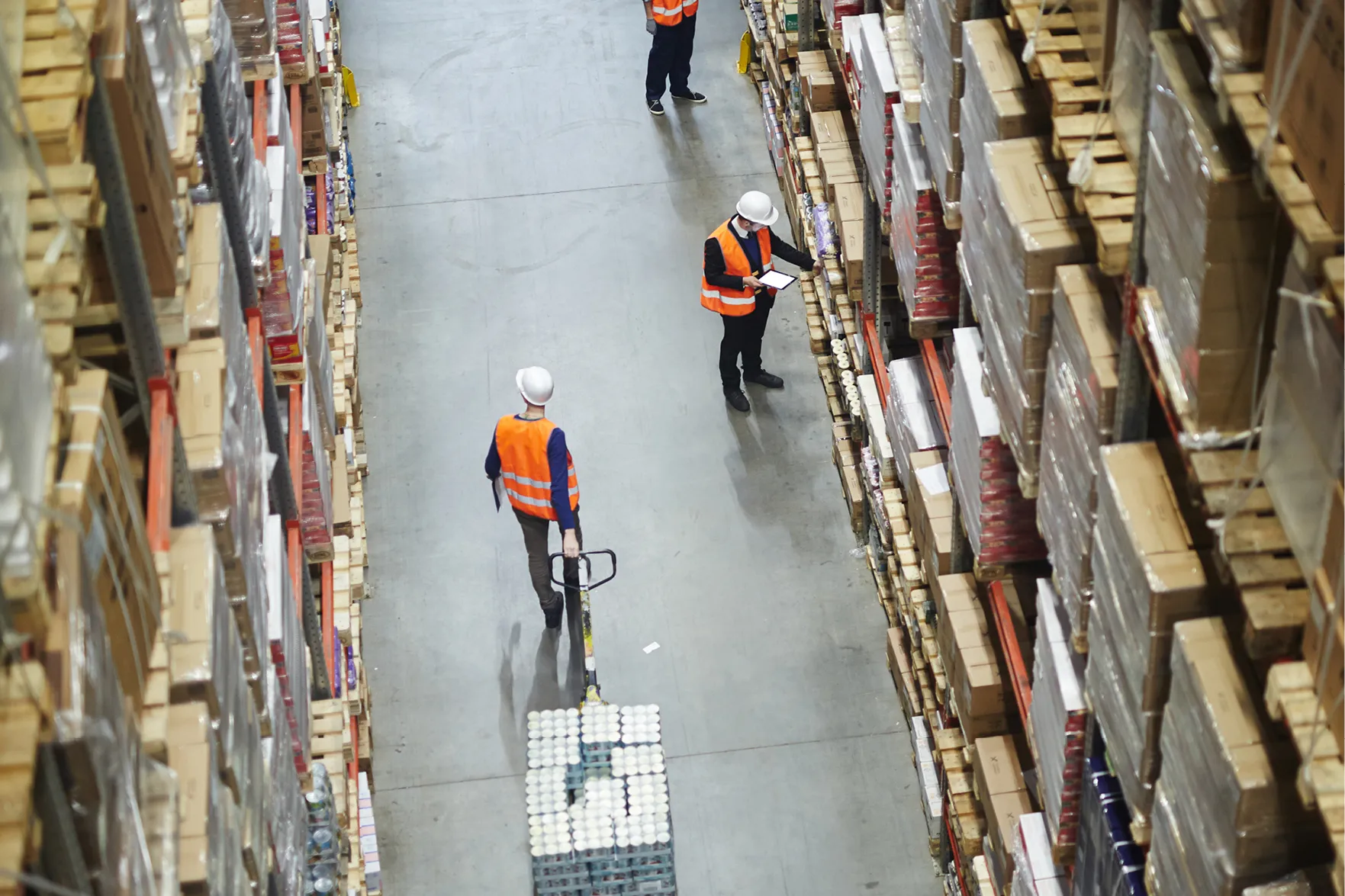
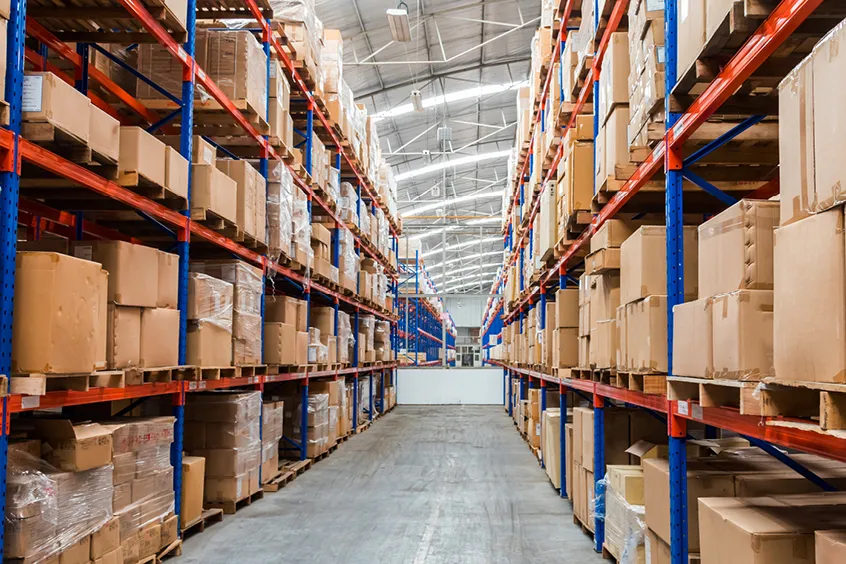
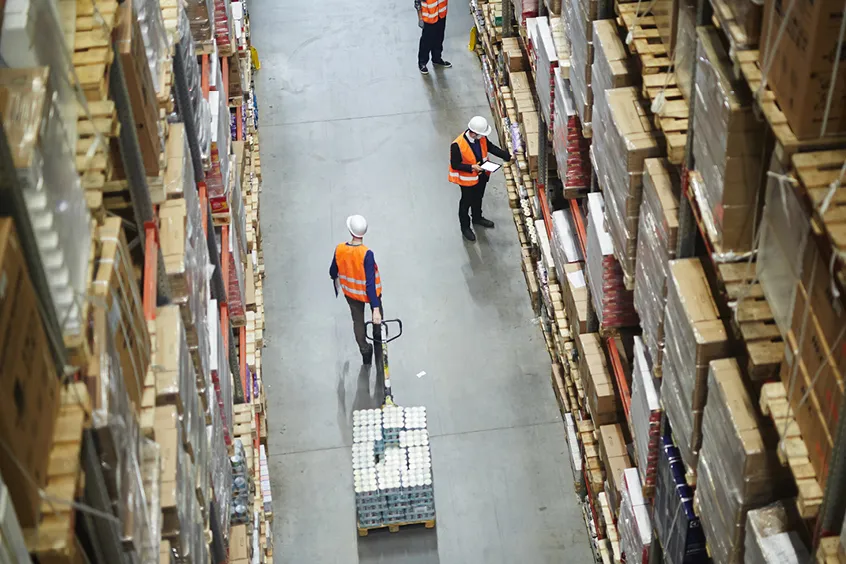
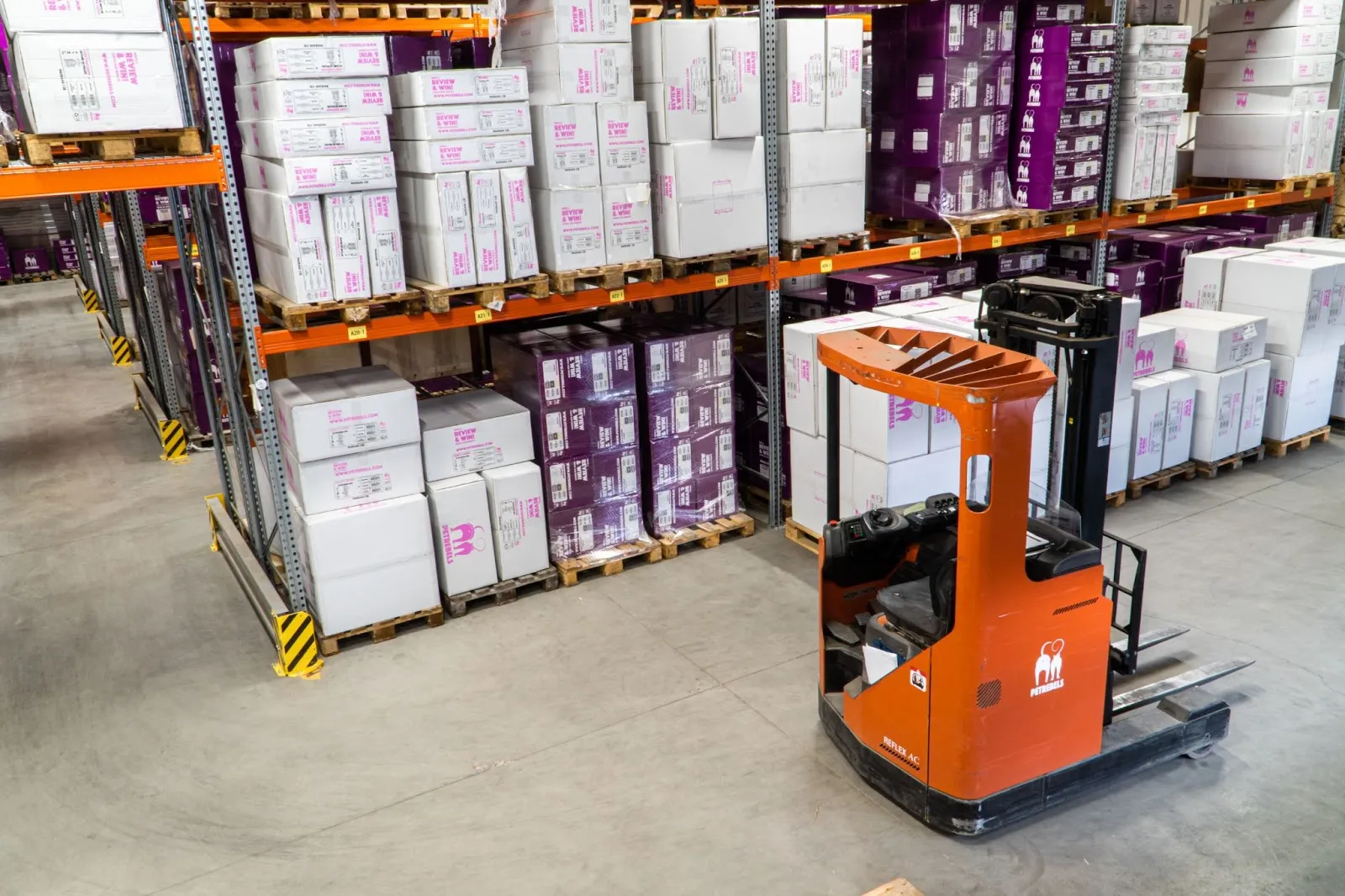
One of the biggest challenges to running an online business is overstocking. Inventory takes up warehouse space. Warehouse space costs money. Therefore, holding too much inventory results in higher costs related to storage and warehousing, obsolescence losses, shrinkage, and product deterioration.
Nothing lasts forever and depreciation can eat away at the value of the product you have on hand or, worse, render it entirely obsolete. Overstocking also decreases the amount of working capital you have on hand. You can’t invest revenue back into your business if you spent it all on inventory that you can’t sell or move fast enough.
What are the Effects of Stockouts?
Though it’s never a good idea to overstock inventory, running out of inventory is even worse. Stockouts not only affect your sales, they ruin your brand image and tarnish your reputation with your customers.
If a retailer can’t provide a customer with the items they want, they will simply get it elsewhere. This is called The Amazon Effect and it accounts for more than $1.75 Trillion in worldwide revenue losses each year.
If that sounds distressing, then the following out-of-stock statistics should reveal how catastrophic stockouts can be to your online business.
- Out-of-stock rates for e-commerce businesses in the U.S. are more than double the out-of-stock rate for brick-and-mortar stores.
- When faced with a stockout, 25% of consumers will continue shopping but won’t purchase a substitute for their desired item at that store. In fact, 43% of consumers will actually go to another online store to buy the same item.
- According to a Harvard Business Review study, 72% of stock-outs were due to poor replenishment practices, demand forecasts and otherwise mismanaged inventory.
- The same study revealed that those abandoned purchases account for 4% in losses for a typical retailer and up to $40 million a year in lost sales for large eRetailers.
How to Prevent Stockouts and Avoid Overstocking
For all of the strategies and technology used to avoid stockouts and overstocking, the best way to avoid either scenario is to practice sound inventory management to recognize when an item should have been sold but wasn’t.
Collect Accurate Data
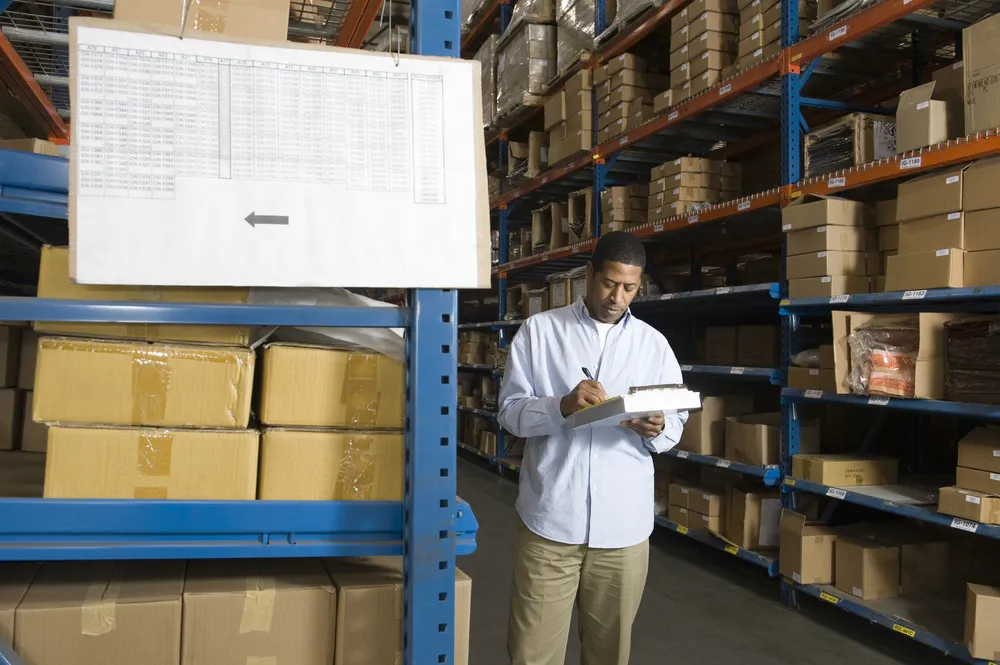
With so many items moving through your supply chain, it can be all too easy to run into inventory inaccuracies. Seldom do the inventory levels on your computer screen match the inventory levels you show on paper.
These discrepancies can lead a procurement analyst to order inventory when it isn't needed or let an item run out prematurely. The best way to avoid these data discrepancies is to invest in an electronic inventory management system.
Utilize an Inventory Management System
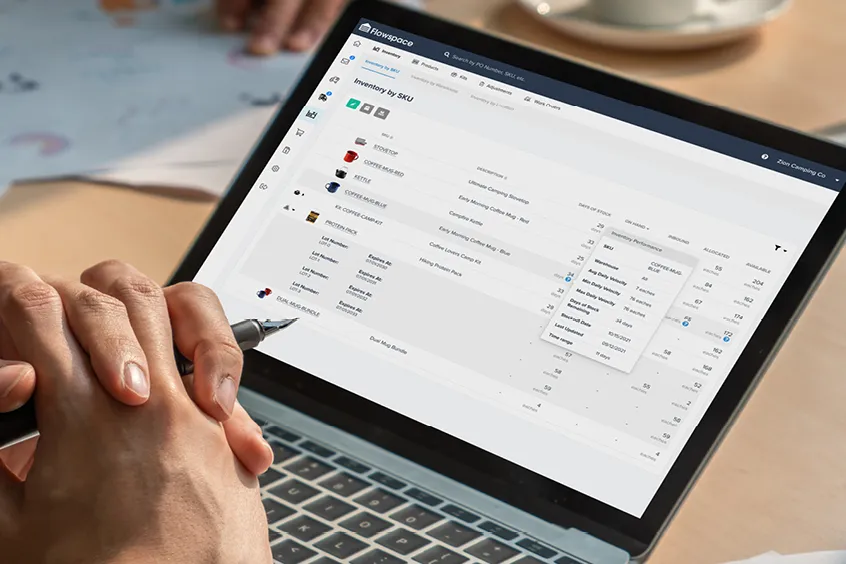
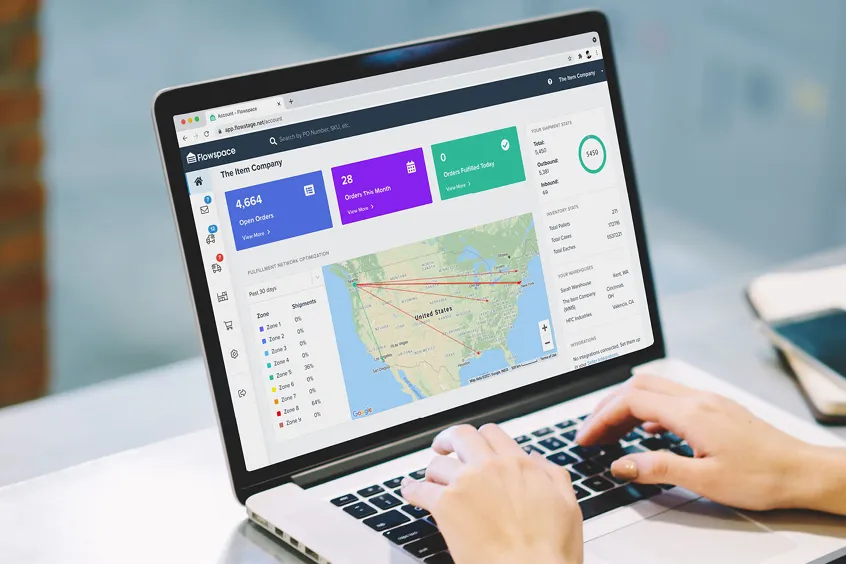
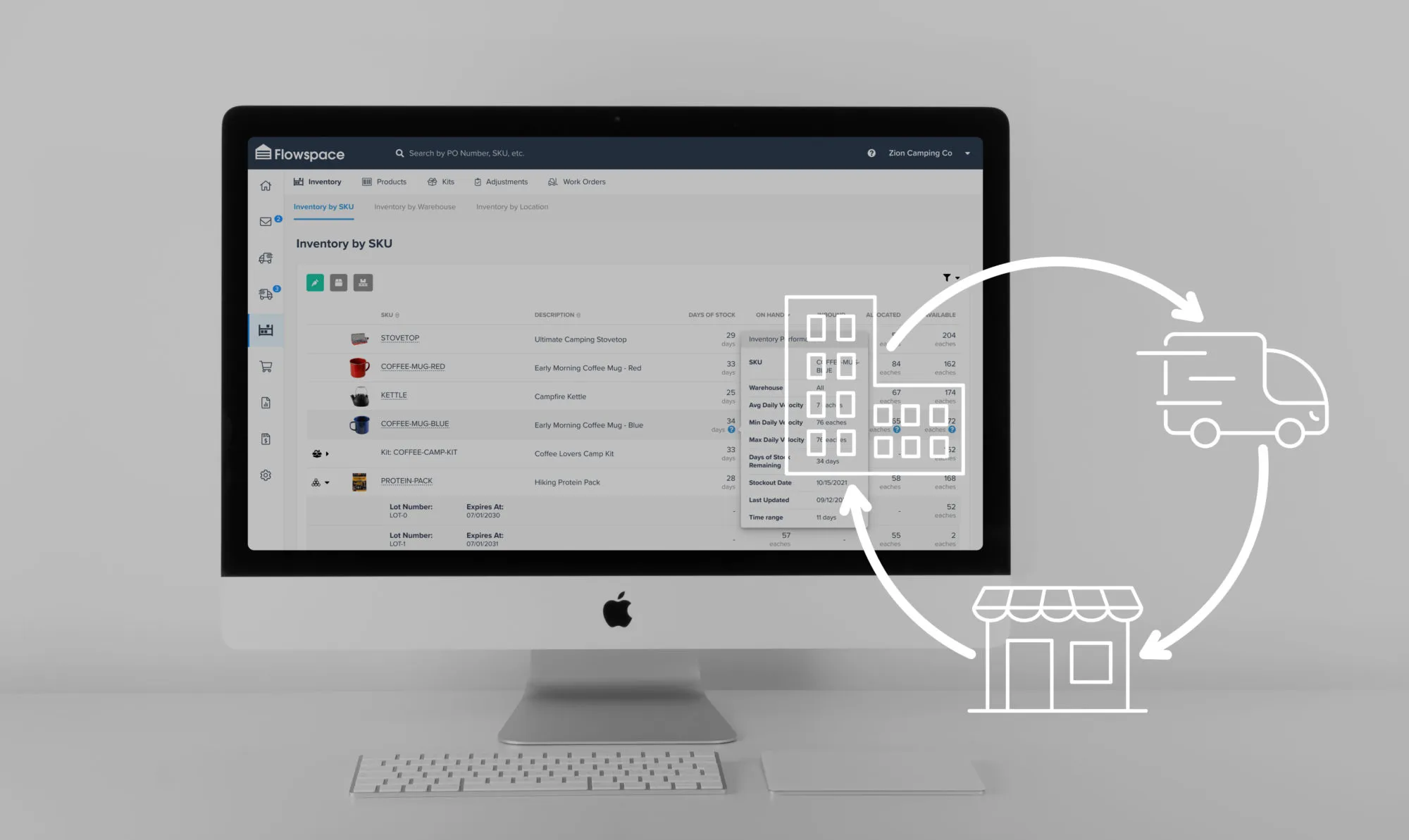
An inventory management system enables retailers with technology, processes and procedures to monitor and manage inventory items as they move through the supply chain from procurement to shipping and delivery.
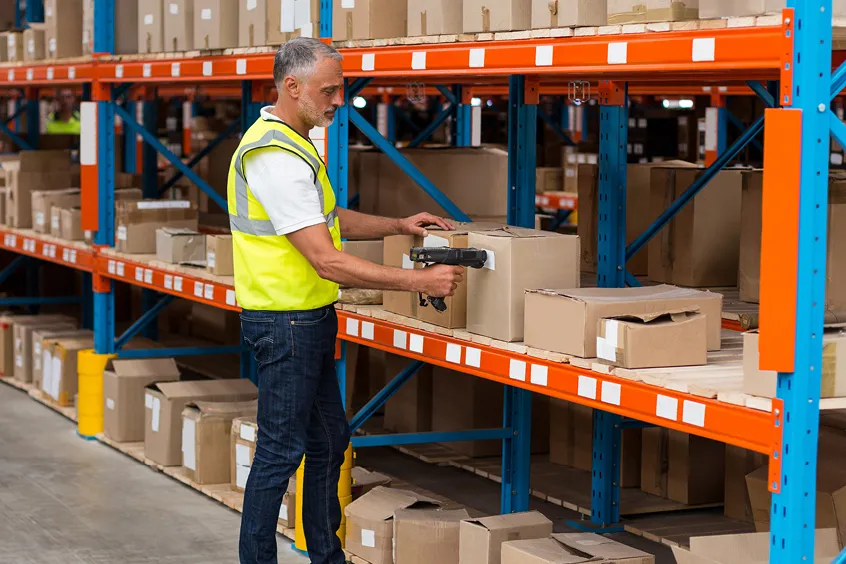
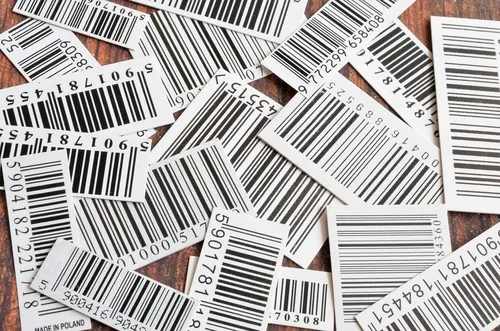
Inventory management systems can vary in type, scope and capability but all rely on a system or identifying items and matching it with its associated information, like barcodes and product tags. These barcodes and tags are typically scanned into the system by warehouse workers using hardware like barcode scanners and smartphone apps.
Calculate Reorder Points
A reorder point is the minimum unit quantity that a retailer must keep on hand before they have to reorder more of that product, thereby ensuring they don’t fall behind on their next batch of product. To calculate a reorder point, simply multiply the average daily usage rate for an inventory item by the lead time in days to replenish it.
Understand Consumer Demand
Reliable data is important but you also need to stay on top of consumer trends in your market. What are there new products in your category? What are customers gravitating towards? Answer these questions and others like them, then stock up accordingly. Don’t forget about the holidays.
Outsource to a Third Party Logistics Provider
You can invest in the people, tools and technology to implement these methods and reduce stockouts/overstocks or you can outsource your e-commerce order fulfillment to a 3PL that is already equipped with the appropriate assets.
Prevent Stockouts and Overstock with Flowspace
Outsource your e-commerce order fulfillment to Flowspace today and forget about overstock and stockouts. As the premium On-Demand Fulfillment provider in the country, Flowspace has the tools, tech, and people to ensure your inventory levels are optimal and your customers never go without their desired products. Request more information today to learn how Flowspace can you help you.
Last Updated
category
Related articles











Start simplifying fulfillment with Flowspace today
Discover how Flowspace can simplify fulfillment and help your brand scale faster, with no long-term contracts or hidden commitments.
