What is cross-docking?
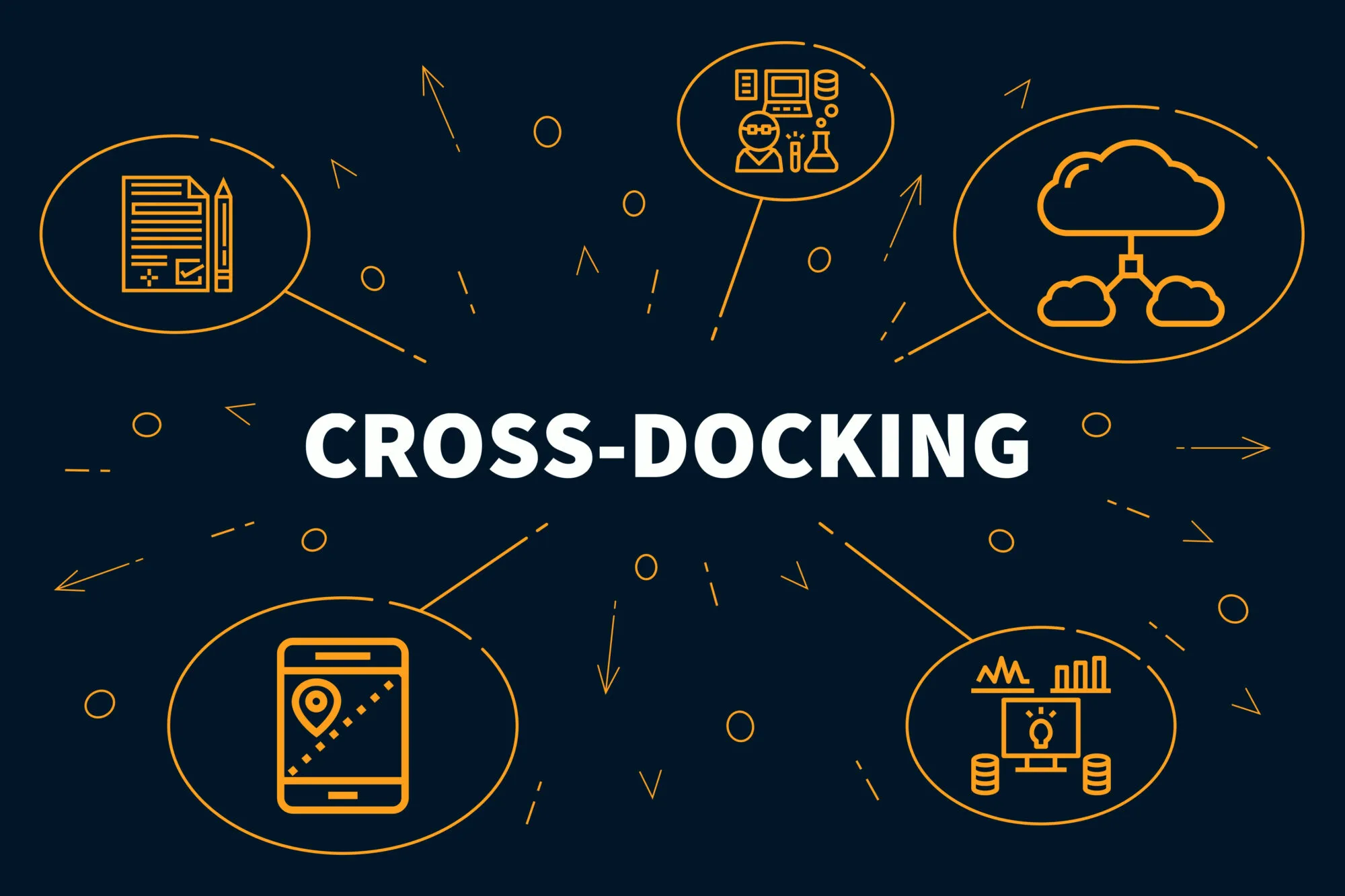

Table of contents
Talk to a fulfillment consultant today
Everywhere you look these days it seems there is a new “lifehack” to speed up your day, save you money, and make your life more efficient. Nowhere is speed and efficiency more important than eCommerce logistics.
If eCommerce customers could make their shipments and products appear at their door an instant after a purchase they would. Since that is not yet a possibility, it is up to retailers to get that shipment to their door in the least amount of time possible. Customer service and customer satisfaction is very important for any eCommerce business.
Like a “lifehack” for a retailers supply chain, cross-docking saves e-retailers and shippers time, money, and enables the almighty Just-In-time (JIT) shipping process - making it easier for faster delivery.
Cross-docking vs. Traditional Warehousing
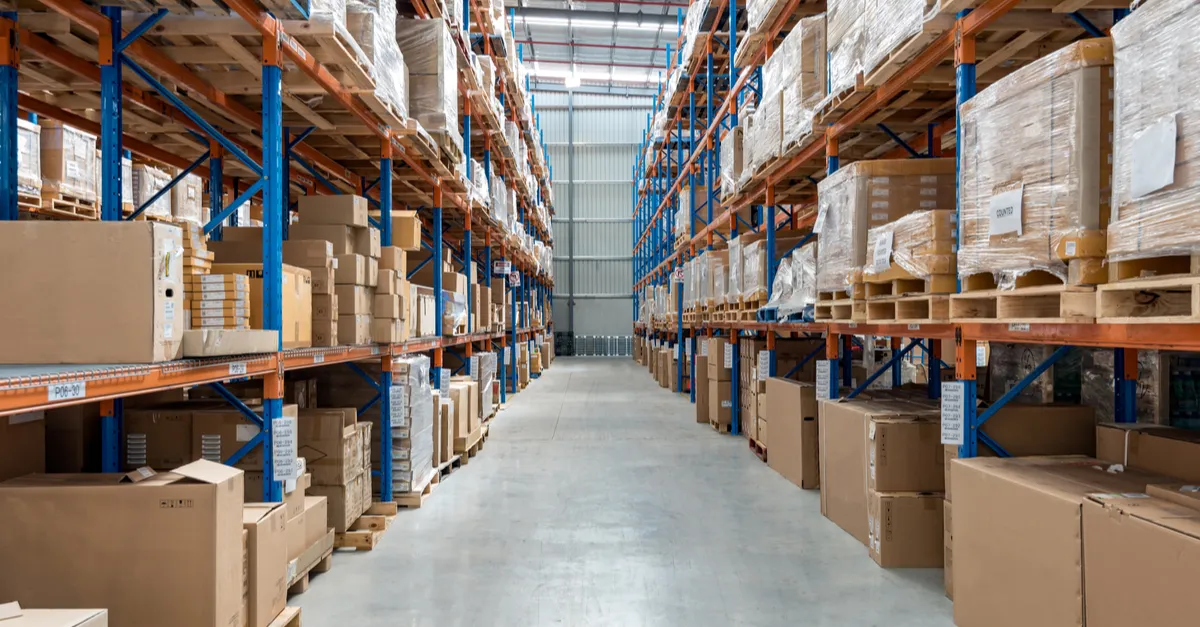
Traditional warehousing utilizes a point to point model, whereby freight is shipped by a supplier to a warehouse, where pallets are stored and eventually distributed to the freight’s final destination.
Cross-docking, on the other hand, is an integral middle process of the supply chain, whereby freight shipped by a supplier is distributed directly onto outbound trucks with minimal or no warehouse storage space used in between.
Cross-docking services utilizes a hub and spoke model that, unlike the point-to-point model, enables e-retailers to satisfy customer needs and improve their competitive edge.
In contrast to the point-to-point model, the hub and spoke model enables companies to connect with the maximum number of delivery destinations with the minimum number of routes, and shipments.
Save Time
The traditional warehousing model includes a distributor who keeps inventory stocks on hand to ship out to customers at the appropriate time. Cross-docking services decreases the time it takes to ship freight by focusing on the JIT shipping process.
By incorporating a cross dock into your supply chain, you can ship an order immediately after it’s placed. The shipment arrives at the cross dock, where it is swiftly moved from the inbound truck to the outbound truck for final deliver. Time spent at cross dock: less than 24 hours.
Reduce Costs
Time is money, which means a cross dock saves you more than time, it slashes your overall cost of warehousing. Ask any e-retailer about their biggest cost and you are likely to get the same answer, warehousing space.
Inventory storage costs account for nearly 70% of an e-retailers budget. Cross-docking eliminates most of the transportation costs of storage by shipping items immediately after order and delivering to the customer as fast as possible.
Depending on the type and scale of your supply chain, a cross dock may even eliminate the need for a warehouse entirely - shipping products directly from manufacturer to the final delivery without long-term storage.
Cross-docking also reduces labor costs by consolidating smaller shipping systems into one cohesive operation. At a cross dock, costs incurred from warehousing and expedited shipping are alleviated by the high turnover of products, and the combined speed of shipping operations.
Increase Efficiency
Cross-dock operations also increases a supply chain’s overall efficiency by enabling shippers to ship full truckloads to a single cross dock for distribution, and minimizing touch points between pick up and final delivery.
For example, a retailer in New York who ships products to multiple locations in Los Angeles using freight could ship one truck load of products to a single cross dock in LA, from which individual deliveries are made to the multiple LA destinations.
The LA cross dock made it possible for the New York shipper to ship just one truck load shipment to LA, instead of shipping multiple LTL’s and partial shipments. In this way, the New York shipper minimizes the number of shipments they need to send across the country, saving time and money and increasing overall efficiency.
Minimize Risk
Cross-docking streamlines many processes with in the supply chain, thus reducing the number of human interactions that need to take place. Every time a human touches a shipment they increase the risk that an error may occur.
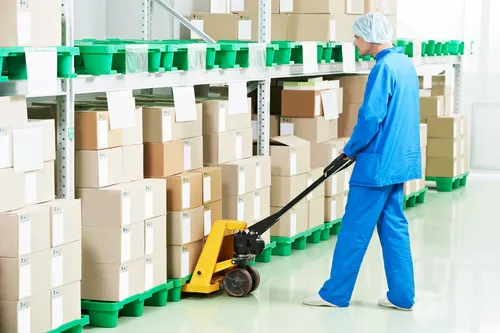
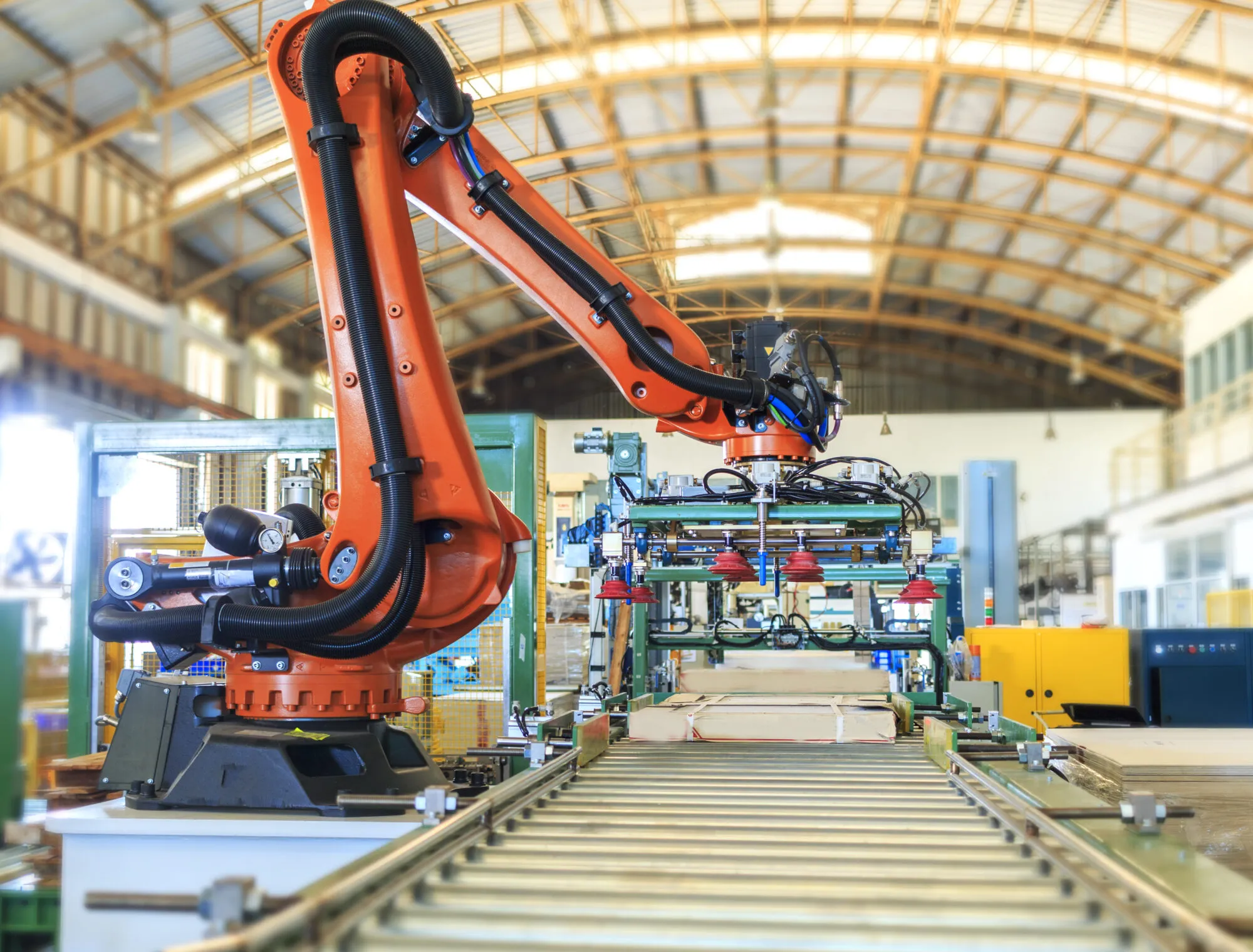
The inbound truck docks at the cross dock then freight is removed, screened, and transferred to the outbound truck via forklift, conveyor belt, or automated warehousing system for final delivery to the customer.
Because cross-docking operations are designed to be as orderly and efficient as possible with minimal human interaction, operator errors are minimized when moving inventory into and out of storage.
Final Thoughts
Cross-docking solutions are a way that e-retailers and shippers stand to improve their operations, cut costs, and answer the demands of their customers. Contact us today for all your cross-docking and warehousing needs.
Last Updated
category
Related articles







Start simplifying fulfillment with Flowspace today
Discover how Flowspace can simplify fulfillment and help your brand scale faster, with no long-term contracts or hidden commitments.
