Automation in warehousing
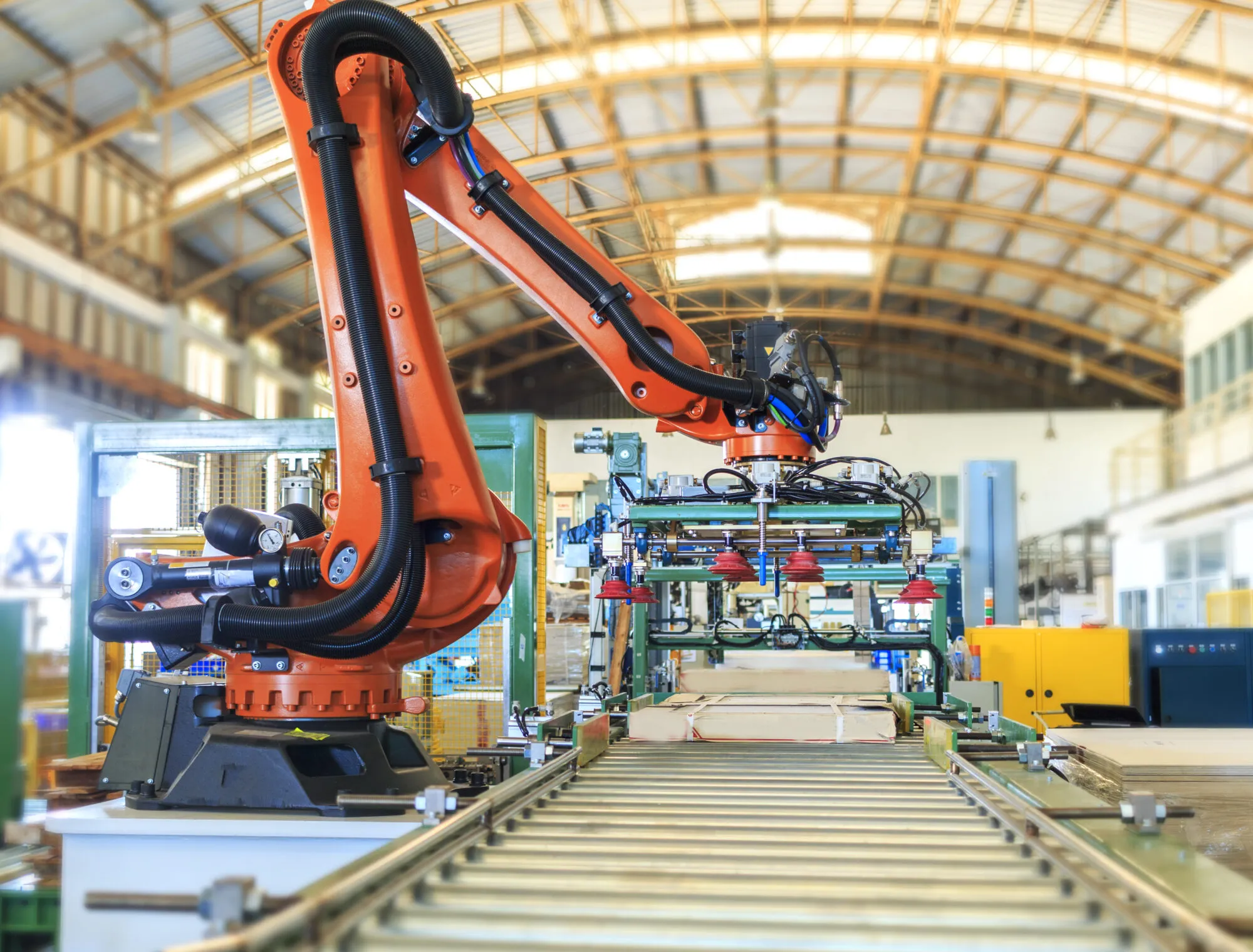

Table of contents
Talk to a fulfillment consultant today
From automated vehicles and picking operations to AI-guided WMS and inventory management, automation is quickly becoming a commonplace within the supply chain. At face value, automation is a great idea. Automation is literally intended to make life easier; defined as,
“technology by which a process or procedure is performed with minimal human assistance.”
Time and trial have shown, however, that automation is not a universal cure-all for warehousing inefficiencies, or indeed a sound investment for every warehouse. The question now regarding automation is not whether it works, but what kind of automation is right for your warehouse, if any at all. We at Flowspace aim to help you make the right decision.
What is Warehouse Automation?
In its truest form, automation in warehousing is the application of specialized equipment to perform roles previously performed by the human hand. Warehousing automation eliminates the need for skilled, or unskilled labor to perform repetitive tasks.
Why Are Warehouses Automating?
Warehouses are automating because labor costs account for 65% of the average warehouse operations budget. It’s simply cheaper to invest in automation than it is to continue to pay for the cost of labor.
Without the burden of their previous task, the skilled and unskilled labor are now free to undertake a larger role within the warehouse, or even manage the automated machinery that replaced them.
Automation does not eliminate jobs, so much as it eliminates inefficiencies. For example, a warehouse with modular shelving systems and automated robotics has enabled its warehouse pickers to be 100% more efficient than a warehouse with zero automation.
In our example, the automated warehouse has not replaced its warehouse pickers with robots, so much as it has enabled the full utilization of a previously underutilized employees. In fact, according to the Bureau of Labor Statistics,
“A typical warehouse with 100 non-supervisory employees cost more than $3.7 million in labor expenses annually.”
Is Automation Right for my Warehouse?
It depends. Automation comes in many shapes and forms, and seldom are two warehouses alike. To determine if automation is the right choice for your warehouse, you must first determine the inefficiencies in your warehouse operations.
Once you have determined where and how your warehouse operations can be improved, then you can determine which type of automation promises the largest ROI. There are many different types of warehouse automation, and each type varies in its complexity and operational viability.
For example, it would make no operational sense for a warehouse to invest in automated warehouse management system with greater capability than its inventory calls for. That would be akin to purchasing a firetruck to water your lawn.
Types of Warehouse Automation
There are hundreds, if not thousands of ways a warehouse can automate operations, all of which fall under one of three types of automation.
Picking Automation
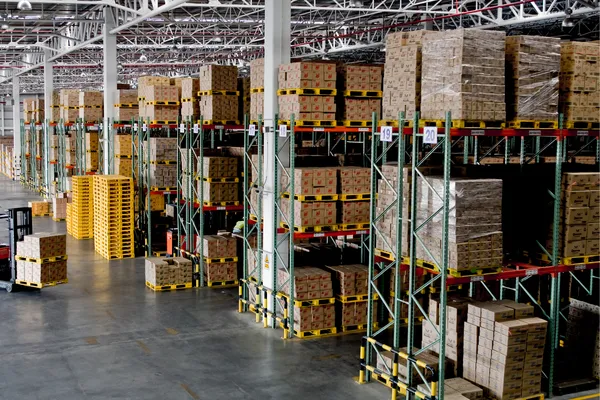
Inventory picking is a repetitive, time-consuming process that is made more efficient by picking automation systems such as automated storage and retrieval systems. Automated storage and retrieval systems utilize modular shelving systems and warehouse robotics to fully automate the picking process.
Barcode Automation
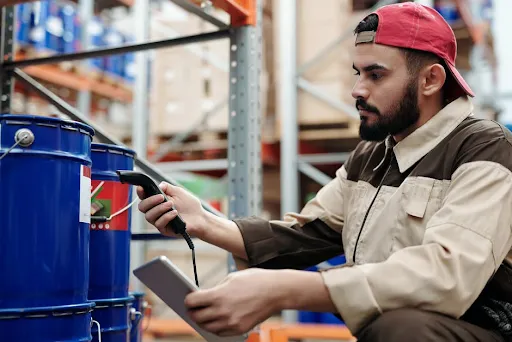
Warehouses rely on strict documentation to keep track of inventory and ensure product moves are as efficient and accurate as possible. Barcodes on inventory, racks, and aisles improve accuracy and efficiency by enabling warehouse workers to scan items and eliminate errors in the documentation processes.
Automated Vehicles
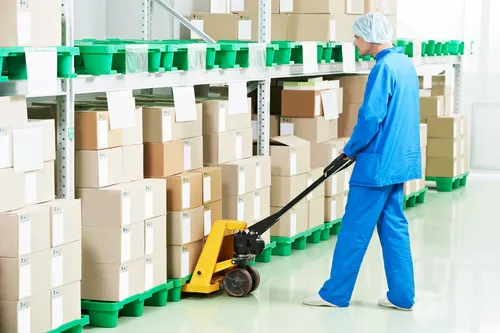
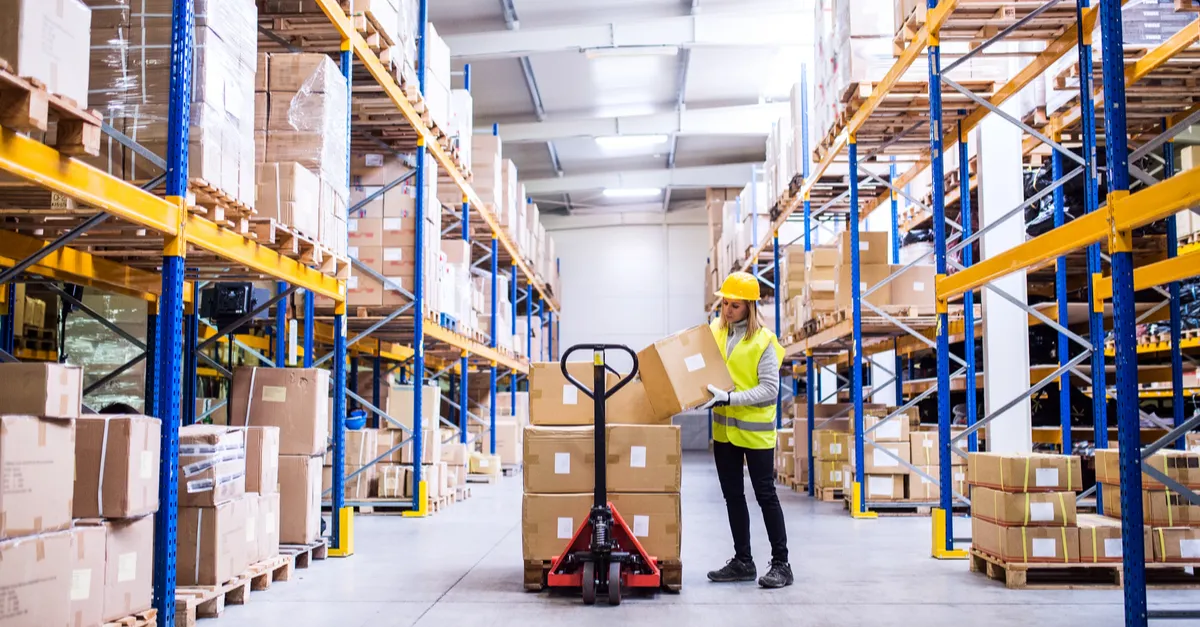
A forklift or pallet jack that travels the same repetitive route through a warehouse, performing the same tedious task is a prime candidate for an upgrade to an automated vehicle.
An automated vehicle such as self-guided forklift is programed to follow a digital path to a designated area within the warehouse, where automation software instructs it to perform a specific task.
What’s Next
Trends in supply chain indicate that automation technology will continue to advance as fast as warehouse processes can be streamlined, automated and improved. This is good news because the warehousing industry is under increasing pressure to capitalize on the rise of e-commerce.
Automation in warehousing is the only way to improve operations, cut costs, and answer the demands of their customers. The other way is Flowspace, the premium On-Demand Warehousing Service in the U.S. Get started to receive a free quote today!
Last Updated
category
Related articles








Start simplifying fulfillment with Flowspace today
Discover how Flowspace can simplify fulfillment and help your brand scale faster, with no long-term contracts or hidden commitments.
