Top warehousing locations in Los Angeles
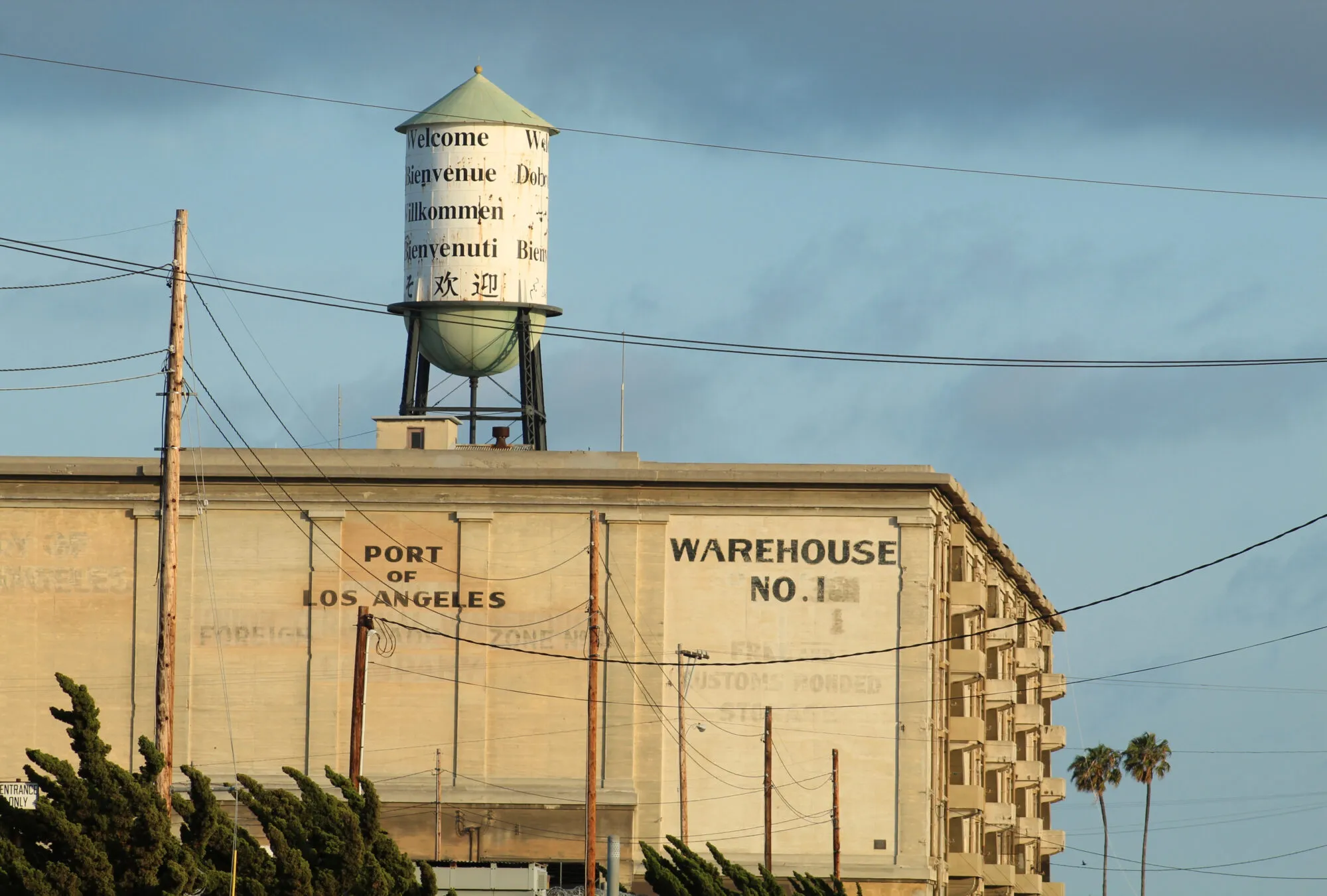

Table of contents
Talk to a fulfillment consultant today
California plays a major role in U.S. logistics. As the world’s fifth-largest economy, it handles nearly 40% of all imported freight into the country—and almost half of that freight is consumed within the state. This demand is driven by California’s massive population, the largest in the nation, and the signifcant economic activity in and around the greater Los Angeles area.
What Are The Top Warehousing Locations in Los Angeles
The reason why Los Angeles is such a hot spot for commerce is the area's proximity to the two busiest ports in the United States: The Port of Los Angeles and The Port of Long Beach. The two ports combined funnel approximately 30% of all freight into the U.S, which is estimated to grow exponentially with the evolution of ecommerce.In fact, according to the CBRE, more the 1.2 million sq. ft. is needed to accommodate the rapidly growing warehousing needs of the ecommerce industry.
What to Consider
Port Proximity - The proximity of a warehouse to the Port of Los Angeles or the Port of Long Beach is critically important to determining the cost of land, labor, and transportation.Land, Labor, & Transportation - Real estate near the coast always comes at a premium, and Los Angeles warehousing is no exception. Space and labor are both scarce and expensive in areas close to the ports, where demand for logistics capacity is highest.However, due to the proximity of warehouse spaces in the area surrounding the ports of LA and Long Beach, transportation and drayage costs are often significantly lower.Inventory Turn Rate - In general, the quicker a warehouse turns its inventory, the closer it should be in relation to a port. A quick inventory turnaround amounts to a constant flow of containers and trailers from the port.Businesses can reduce the cost of transportation by locating their warehouses as close as they can to either the Port of Los Angeles or the Port of Long Beach.
Los Angeles
Los Angeles is home to the nation’s two busiest ports, the Port of LA and the Port of Long Beach. Because both ports reside entirely within the city of Los Angeles, a number of areas have developed into prime warehousing locations.
- Carson
- Rancho Dominguez
- San Pedro
- Santa Fe Springs
- South Gate
- Torrance
The two areas that are in closest proximity to either port are the South Bay area and Long Beach.
South Bay
South Bay encompasses the area immediately surrounding the Port of Los Angeles. Drayage and transportation costs are low; however, land and labor costs can be exorbitant.
Long Beach
Long Beach is obviously the ideal location for warehouses with a steady supply of freight from the Port of Long Beach, but, like the South Bay area, labor and vacant space are challenging to find.
Orange County
Orange County encompasses the region just south of Los Angeles and falls within a 25-50-mile port proximity. Orange County is home to more than 300 million sq. ft. of warehousing space, which is distributed between the towns of:
- Irvine
- Anaheim
- Buena Park
- Brea
- Foothill Ranch
- Fullerton
Inland Empire
The Inland Empire lies sixty miles east of Los Angeles and comprises the towns of:
Inland Empire offers much in terms of available warehousing space, modern warehouses, competitive real-estate costs, and a low cost of living. Accordingly, drayage and transportation costs are approximately 30% higher than warehouses with closer port proximity.Ecommerce is growing at the rate of consumer demand, and whether your product is on its way to Maine or Texas, there is a good chance it came through the Port of Los Angeles.Those looking to capitalize on the growth of ecommerce should do so as close to the action as they can. For warehousing in 2018, the Los Angeles area is the place to be.Flowspace has multiple warehouses in Los Angeles that can handle your inventory. Get started today!
Last Updated
category
Related articles


Start simplifying fulfillment with Flowspace today
Discover how Flowspace can simplify fulfillment and help your brand scale faster, with no long-term contracts or hidden commitments.
