How to choose a 3PL: Why onboarding matters
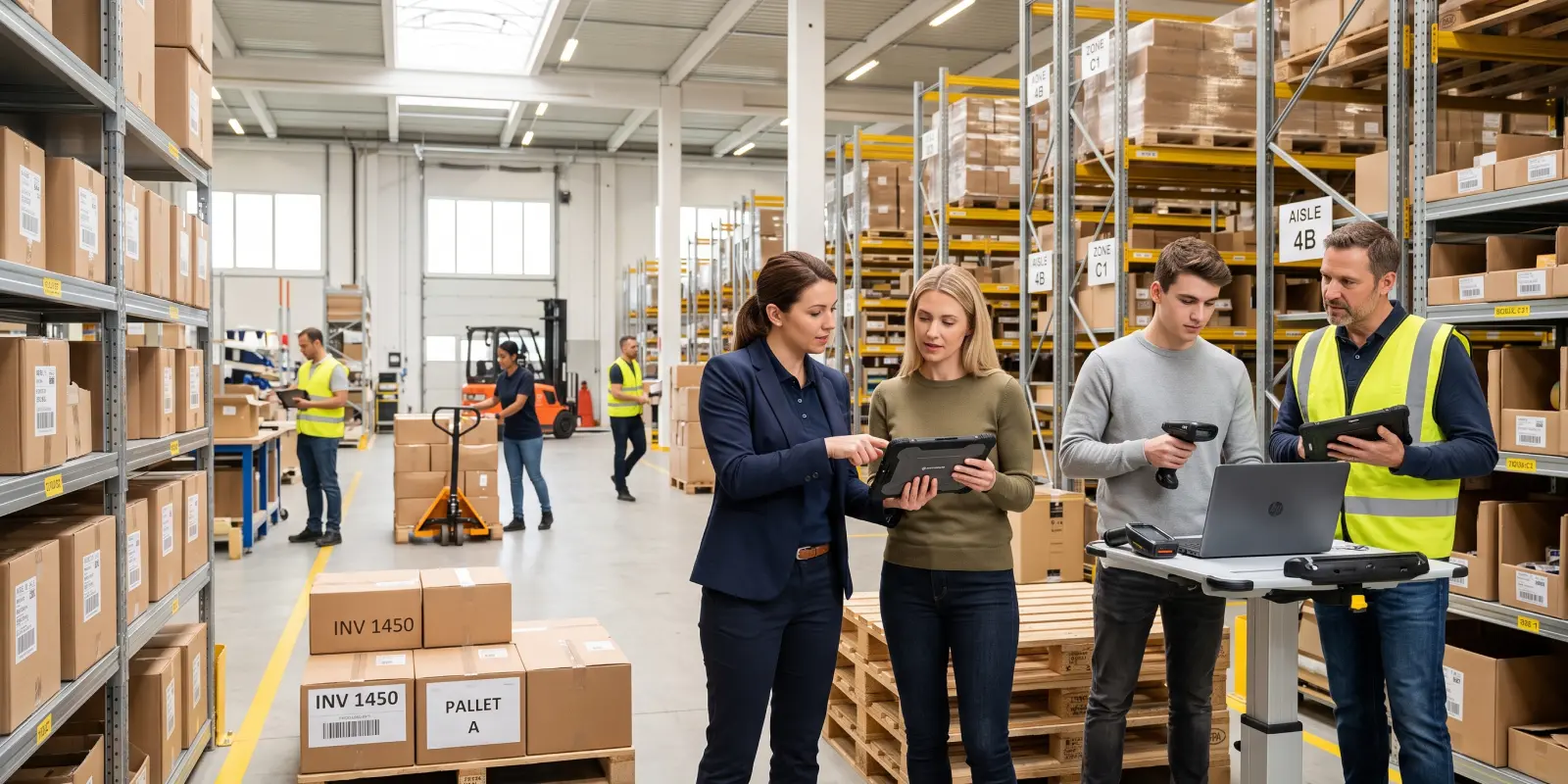

Table of contents
Talk to a fulfillment consultant today
TL;DR
- 3PL onboarding should factor into your decision. It shows how well a provider can get your operation live.
- A strong onboarding process covers systems, inventory, workflows, testing, and go-live.
- Evaluate 3PL integrations for both your current channels and future growth.
- Ask who owns implementation, how transitions are managed, and what support looks like after launch.
- The right 3PL should make onboarding clear, structured, and scalable.
Choosing a 3PL often comes down to cost, warehouse locations, shipping speed, technology, and fulfillment capabilities.
But there’s another important factor: how the provider gets you up and running.
A strong 3PL onboarding process should make it easier to connect systems, transfer inventory, establish workflows, and launch without disrupting operations. It can also reveal what working with a provider will be like long term.
If you’re figuring out how to choose a 3PL, onboarding should be part of the evaluation process.
What to consider when choosing a 3PL
The right third-party logistics partner (3PL) should fit your current operation and support where your business is headed. Key considerations include:
These factors tell you what a provider can offer. Onboarding shows you how effectively they can put those capabilities into practice.
Why 3PL onboarding should factor into your decision
Your relationship with a 3PL starts before the first order ships.
During onboarding, the provider needs to understand your operation, connect systems, receive inventory, configure fulfillment rules, document workflows, and prepare for launch.
A clear 3PL onboarding process can reduce issues like inaccurate inventory, incorrect shipping rules, integration failures, and unclear responsibilities.
It can also be an early indicator of the overall partnership.
When choosing a 3PL, ask not only what the provider can do once you’re live, but how they plan to get you there.
What does the 3PL onboarding process include?
While every provider works differently, onboarding typically includes a few key stages.
1. Discovery and planning
The 3PL should understand your products, order volume, sales channels, shipping requirements, packaging, returns, and other operational needs.
Both teams should also align on responsibilities, dependencies, and launch timing.
2. Product and SKU setup
Product details such as SKUs, dimensions, weights, barcodes, bundles, and handling requirements need to be configured accurately.
3. Systems integration
Your commerce and operational systems need to connect with the 3PL so orders, inventory, shipment status, and tracking data can move reliably.
4. Inventory inbounding
The provider should establish when and where inventory will arrive, how it should be prepared, and how receiving will be handled.
5. Fulfillment workflows
Shipping methods, routing rules, packaging, kitting, inserts, retail requirements, and exception workflows should be documented and configured.
6. Returns
Define how returned products will be received, inspected, restocked, or otherwise handled.
7. Testing
Test orders should confirm that integrations, inventory data, fulfillment workflows, shipping rules, and tracking are working correctly.
8. Go-live
Before launch, inventory should be available, integrations tested, workflows documented, and ownership clear.
Where 3PL integrations fit in
At a minimum, orders need to reach the fulfillment provider, and shipment information needs to flow back. But modern fulfillment operations often involve much more than a single ecommerce platform and warehouse.
Your 3PL integration requirements might include connections to:
- Ecommerce platforms
- Marketplaces
- ERP systems
- Order management systems
- Retail and EDI connections
- Inventory management systems
- Other logistics and technology partners
When evaluating integrations, don't focus solely on your current tech stack.
For example, a DTC brand that currently generates most of its orders through its ecommerce website may plan to expand into Amazon, wholesale, or major retail partners. Those channels introduce new fulfillment and inventory requirements.
A provider that can support those channels within the same broader fulfillment operation can make expansion easier than one that requires new systems, workflows, or partners every time the business evolves.
Inventory visibility is another consideration. As orders come from multiple channels and inventory is distributed across locations, your team needs to know what inventory is available and where. Look for technology that provides centralized inventory visibility and helps your business make decisions around allocation, replenishment, and potential stockouts.
Questions to ask about 3PL integrations
- Which integrations are native, and which require custom development?
- Who owns the technical implementation?
- How is order and inventory data synchronized?
- How are integration errors surfaced and resolved?
- How will your team know if an order fails to flow correctly?
- Can the technology support additional sales channels as the business grows?
- Can you view inventory across multiple fulfillment locations and channels?
- What inventory management or planning capabilities are available?
The goal isn't just to connect two systems, but to create a reliable flow of information across your fulfillment operation.
What to ask about onboarding before choosing a 3PL
Before signing a contract, ask:
- What does your 3PL onboarding process look like?
- How long does onboarding typically take?
- Who owns implementation?
- What does your team need from ours?
- What does the 3PL integration process involve?
- How will inventory be transferred or received?
- How are SOPs documented?
- How do you test workflows before launch?
- What happens if something delays go-live?
- What support is available after launch?
- How would you support a new channel or fulfillment location?
The answers should give you a clear sense of timing, ownership, responsibilities, and dependencies.
What onboarding with Flowspace looks like
With Flowspace, onboarding brings together fulfillment operations, technology, inventory, and launch planning to build a connected fulfillment strategy designed to support growth and scale.
Here is a high-level look at what to expect:
Understand your fulfillment operation
We start by aligning on your products, sales channels, order volume, shipping requirements, customer experience expectations, and other operational needs.
It’s also an opportunity to consider what comes next—whether that's higher volume, additional channels, new products, or a broader fulfillment footprint.
Connect your commerce ecosystem
Our solutions team connects Flowspace with the systems and channels that power your business. While the requirements vary by operation, the goal is the same: remove barriers to great fulfillment.
Connecting these systems creates greater visibility across operations while reducing reliance on support tickets, manual workarounds, and rigid workflows.
Configure inventory and fulfillment workflows
Products, inventory, shipping logic, packaging requirements, returns, and other brand-specific workflows are configured to support the operation.
This step translates business requirements into repeatable fulfillment processes before orders begin shipping.
Coordinate inventory inbounding
Inventory is coordinated into the appropriate fulfillment locations based on the needs of your operation and prepared for launch.
A clear inbound plan is especially important for brands transitioning from another 3PL, where inventory needs to move without unnecessarily disrupting customer orders.
Test and validate the operation
Before launch, orders, inventory data, integrations, routing, and fulfillment workflows are validated to help identify issues before they affect customers.
Launch and continue optimizing
Go-live isn't the end of fulfillment implementation.
As order patterns change and your business grows, fulfillment operations need to evolve with them.
Flowspace combines AI-powered fulfillment technology, a flexible nationwide fulfillment network, and hands-on expertise to give brands visibility into operations and the infrastructure to adapt as they scale.
Accurate inventory, reliable integrations, clear routing logic, and well-defined workflows create a stronger operational foundation from day one.
Choose a partner that can support you from onboarding to scale
Choosing a 3PL doesn't stop at capabilities. It's also about how easily a provider can become part of your operation and support future growth.
A clear onboarding process, reliable integrations, inventory visibility, and well-defined workflows can reduce disruption at launch and build a stronger foundation for fulfillment.
When comparing providers, ask what happens between signing the contract and shipping the first order. The answer can tell you a lot about the partnership ahead.
The right 3PL doesn’t just ship orders—it gets you live smoothly and scales with you from day one. Looking for a fulfillment partner that can support your business from onboarding through growth? Learn how Flowspace combines technology, flexible fulfillment infrastructure, and expert support to simplify and scale fulfillment operations. Reach out today.
Frequently asked questions about 3PL onboarding
What is 3PL onboarding?
3PL onboarding is the process of setting up a brand to begin fulfilling orders with a third-party logistics provider. It typically includes operational planning, product and SKU setup, system integrations, inventory receiving, fulfillment workflow configuration, testing, and preparation for go-live.
Why is onboarding important when choosing a partner?
Onboarding can provide an early indication of how a 3PL operates. When switching 3PLs, a clear process with defined responsibilities, reliable integrations, thorough testing, and strong communication can help reduce disruption.
How long does onboarding take?
The timeline depends on the complexity of the operation. Factors such as SKU count, integrations, inventory transfers, sales channels, fulfillment requirements, and custom workflows can all affect how long onboarding takes. Ask prospective providers for a timeline based on your specific operation rather than relying on a standard estimate.
What should I look for in a 3PL onboarding process?
Look for clear ownership, defined milestones, support for system integrations, a detailed inventory transition plan, documented fulfillment requirements, pre-launch testing, and a clear process for resolving issues before and after go-live.
What is a 3PL integration?
A 3PL integration connects a fulfillment provider with the systems a brand uses to manage commerce and operations. These may include ecommerce platforms, marketplaces, ERPs, order management systems, retail and EDI connections, and inventory management tools.
What integrations should I consider when choosing a 3PL?
Consider both the systems you use today and the channels you may add in the future. If you plan to expand from DTC into marketplaces, wholesale, or retail, for example, make sure your 3PL can support those channels and provide visibility into inventory and orders across your operation.
What questions should I ask before onboarding?
Ask who will own implementation, what information your team needs to provide, how integrations are set up and tested, how inventory will be transferred or received, how fulfillment workflows are documented, and what support is available after launch.
How does Flowspace approach onboarding?
Flowspace onboarding brings together technology, inventory, fulfillment workflows, and launch planning. The process is designed to connect a brand's commerce ecosystem with its fulfillment operation, establish the workflows needed to fulfill orders, coordinate inventory, validate the operation before launch, and support the business as its needs evolve.
Last Updated
category
Related articles



Start simplifying fulfillment with Flowspace today
Discover how Flowspace can simplify fulfillment and help your brand scale faster, with no long-term contracts or hidden commitments.
